Clear Sky Science · en
Diverse and rare candidate MODY gene variants were identified in one-fifth of a Bangladeshi cohort with nonobese, nonautoimmune youth-onset diabetes
Why this matters for young people with diabetes
When diabetes appears in teenagers or young adults who are slim and do not show signs of the usual types of the disease, both families and doctors are left with hard questions: Why did this happen, and what does it mean for treatment and long-term health? This study looks at one such puzzling form of diabetes in Bangladesh and asks whether hidden changes in single genes might offer answers—and whether those answers are the same as in European populations on which most current tests are based.
A closer look at unusual early diabetes
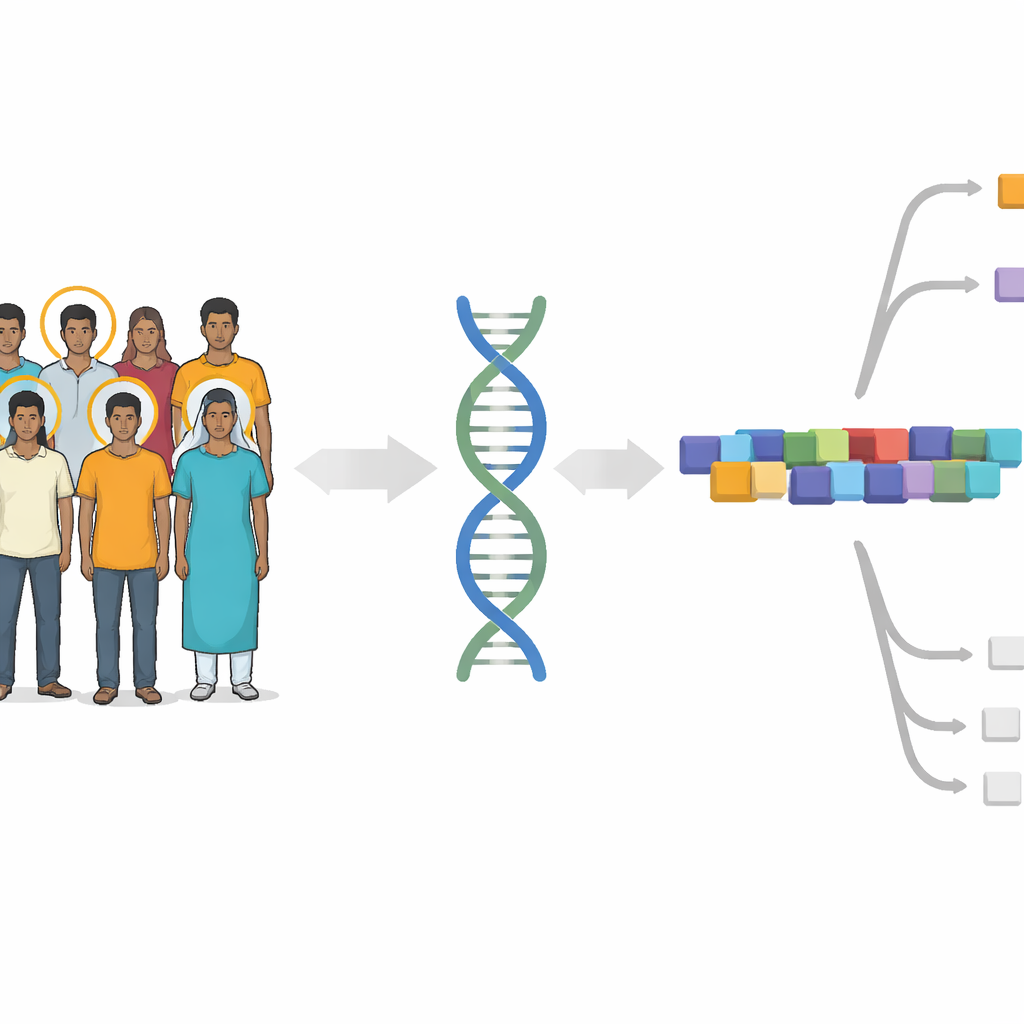
Doctors increasingly see diabetes in people under 35 who are not overweight, do not have the autoimmune markers of classic type 1 diabetes, and still make some of their own insulin. Many also have several relatives with diabetes. Around the world, some of these cases turn out to be due to changes in a single gene, a condition known as maturity-onset diabetes of the young (MODY). A correct MODY diagnosis can transform care: some patients can switch from lifelong insulin injections to simple tablets. But most genetic tools and risk scores for MODY were built using European patients, and studies from South Asia suggest they may miss many cases there.
How the Bangladeshi study was done
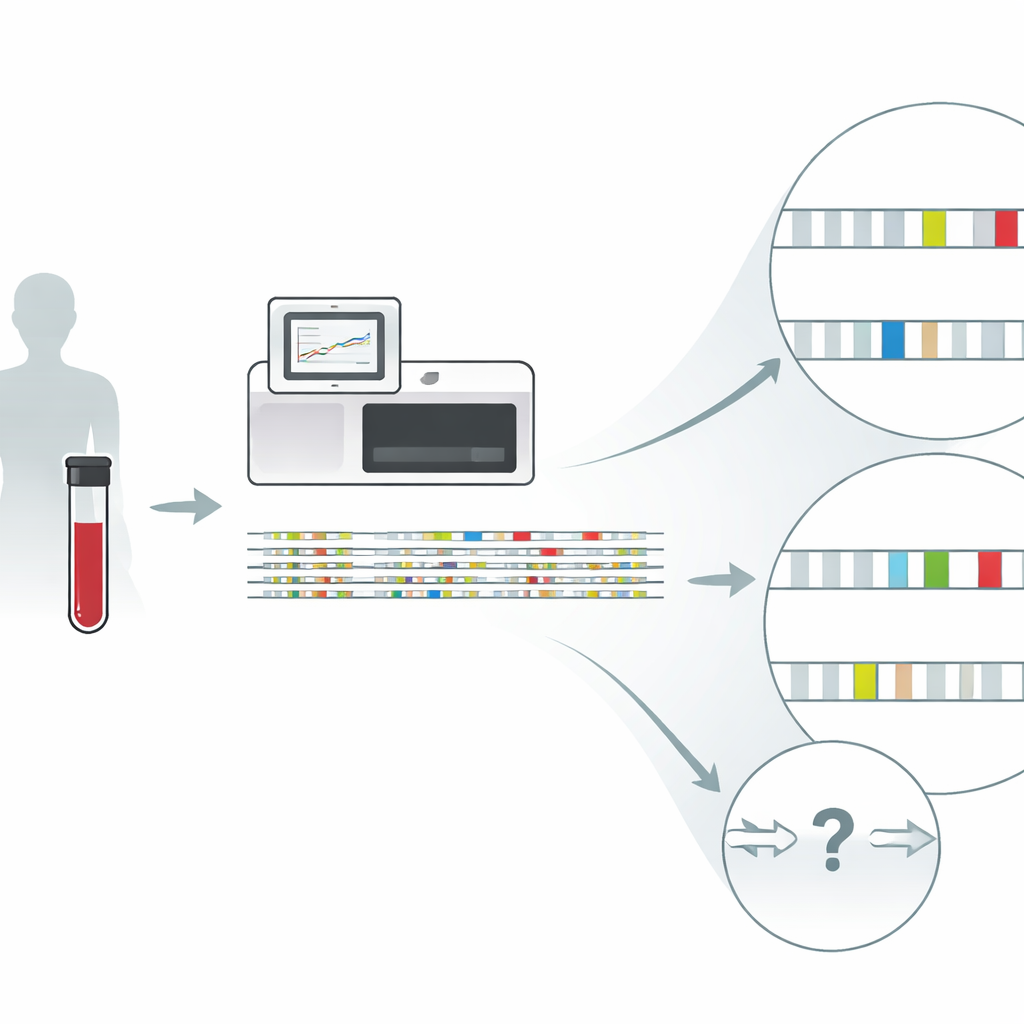
Researchers in Dhaka assembled a carefully defined group of 50 young Bangladeshis with diabetes that did not fit either the usual type 1 or type 2 patterns, and 50 similar young people with normal blood sugar for comparison. All participants with diabetes developed the condition before age 35, were not obese, had no diabetes-related autoantibodies, still produced insulin, and had a family history of the disease. The team drew blood, extracted DNA, and used next-generation sequencing to scan 14 genes that have been linked to MODY elsewhere in the world. They then ran the data through a standard bioinformatics pipeline to find rare changes and judge how likely each was to matter medically.
What the gene scans revealed
Across all 100 participants, the sequencing turned up more than 1,500 genetic differences in the 14 genes examined. Most were shared by people with and without diabetes. Focusing only on changes seen in the diabetes group, the team narrowed the list to 11 rare, single-letter “missense” changes in eight genes that computer tools suggested might affect protein function. These candidate changes appeared in 10 of the 50 young people with diabetes—about one in five—and none were seen in the comparison group. Interestingly, the affected genes were mostly ones that are relatively rare causes of MODY in Europeans, such as NEUROD1, PDX1, PAX4, BLK, KCNJ11, KLF11, and ABCC8, while some of the best-known European MODY genes showed few or no changes in this Bangladeshi group.
Why the answers are still uncertain
Despite the promising list of candidates, none of the 11 genetic changes met strict international criteria to be called clearly harmful or probably harmful. All were labeled “variants of uncertain significance,” meaning that current evidence is not strong enough to say whether they truly cause disease. The young people carrying these variants did not look noticeably different in terms of blood sugar, cholesterol, body size, or blood pressure from others in the diabetes group. Without detailed studies in families and laboratory experiments to see how each change affects cells, the researchers argue that these findings must not yet be used to change treatments or to advise relatives.
What this means for the future
The study suggests that, in Bangladesh and likely across South Asia, the genetic roots of young-onset, nonobese diabetes may differ from those seen in Europe and may often involve rare or still-unknown genes. For now, doctors cannot rely on European-based gene panels or risk calculators to identify MODY in these populations with confidence. Instead, the authors see their work as a starting genetic map, highlighting a cluster of rare candidates that deserve deeper study. With larger studies, broader genome searches, and careful tracking of families over time, researchers hope to sort harmless variation from truly disease-causing changes—paving the way for more accurate diagnoses and tailored treatments for young people with diabetes in South Asia and beyond.
Citation: Hasan, M., Sultana, N., Shil, K.K. et al. Diverse and rare candidate MODY gene variants were identified in one-fifth of a Bangladeshi cohort with nonobese, nonautoimmune youth-onset diabetes. Sci Rep 16, 13853 (2026). https://doi.org/10.1038/s41598-026-43760-w
Keywords: MODY, youth-onset diabetes, genetic variants, Bangladesh, South Asian populations