Clear Sky Science · en
Diagnostic utility and discriminative ability of cholesterol-modified prognostic nutritional index and inflammatory indicators in colorectal cancer: a retrospective case-control study
Why Food and Blood Matter in Colon Cancer
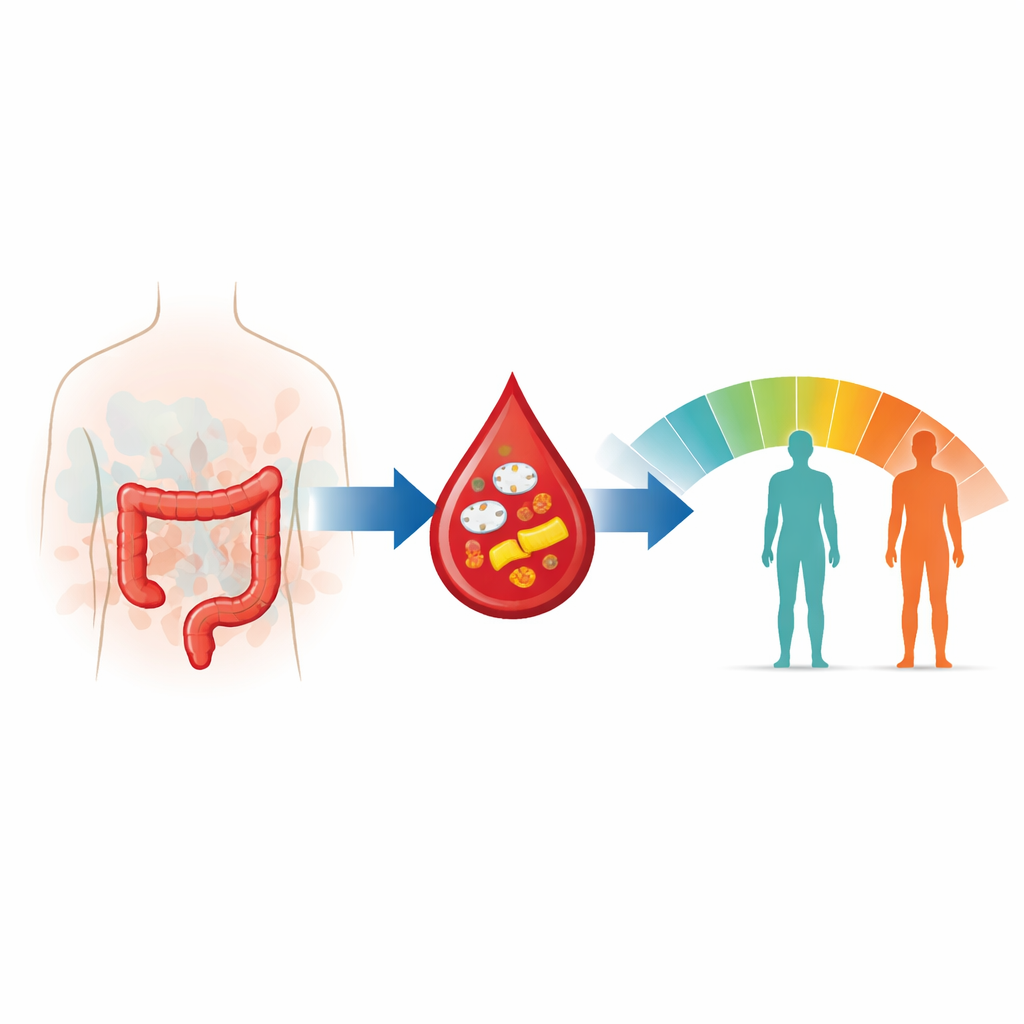
Colorectal cancer is one of the most common cancers worldwide, and doctors are increasingly realizing that a patient’s overall health—especially nutrition and subtle inflammation in the body—can shape how the disease appears and progresses. This study asks a simple but important question: can routine blood tests that reflect nutrition and cholesterol help flag people who already have colorectal cancer, even before treatment begins? If so, these measures could offer a low-cost, widely available way to catch problems earlier and guide care.
Looking for Clues in Routine Checkups
The researchers examined medical records from 100 adults newly diagnosed with non-metastatic colorectal cancer and compared them with 100 healthy people of similar age and sex. Rather than focusing only on tumor scans or surgery results, they looked closely at standard blood tests: protein levels, types of blood cells, cholesterol, and markers of inflammation. From these routine numbers, they calculated several combined scores that are meant to capture a person’s nutritional and immune status. These included long-standing tools such as the Prognostic Nutritional Index (PNI) and Nutritional Risk Index (NRI), as well as a newer score that folds cholesterol into the mix, called the cholesterol-modified prognostic nutritional index (CPNI).
Hidden Undernourishment in Cancer Patients
When they compared the two groups, the cancer patients looked clearly worse off nutritionally. On average, they had lower body mass index, less “good” HDL cholesterol, and reduced levels of blood proteins like albumin, all of which hint at poorer reserves and a weakened immune system. Their PNI and NRI scores were also lower, aligning with this picture of undernourishment. At the same time, their blood showed stronger signs of inflammation and tumor activity: higher levels of tumor markers (CEA and CA 19-9), an inflammatory protein called CRP, higher total cholesterol and certain blood fats, and higher counts of white blood cells and platelets. Strikingly, more than half of the cancer patients met the study’s definition of malnutrition using the CPNI score, compared with only one in ten healthy individuals.
A New Cholesterol-Based Score Stands Out
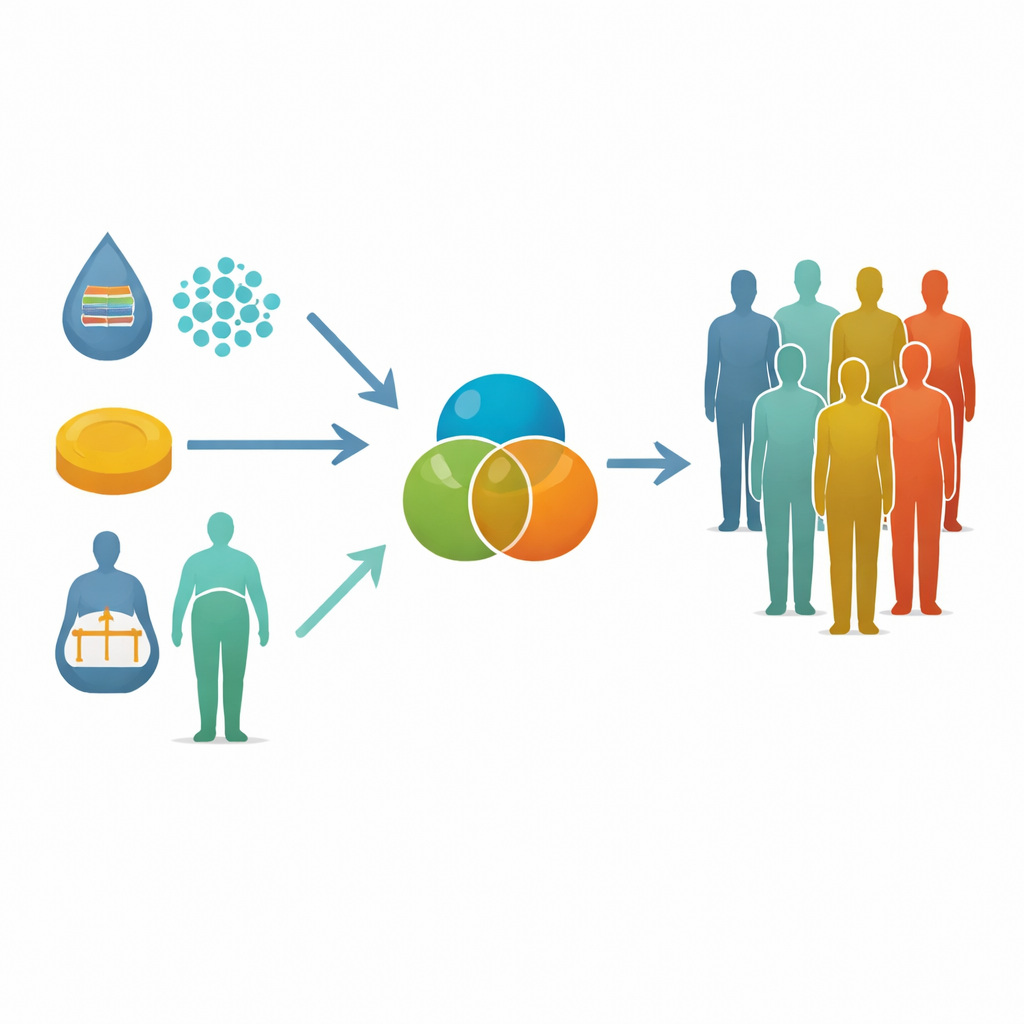
To see how well each index could tell cancer patients and healthy people apart, the team used a statistical tool called ROC analysis, which measures how well a test distinguishes between two groups. The CPNI came out on top, with the best overall ability to separate cancer patients from controls, followed by NRI and PNI. Another commonly used score, called CONUT, added little value in this setting. When the researchers ran more detailed models that considered all four indices together, higher CPNI and PNI values were independently linked to the presence of colorectal cancer, while higher NRI values pointed in the opposite direction. However, these scores did not track where in the colon the tumor sat, how large it was, or whether nearby lymph nodes were involved, suggesting that they capture the body’s overall response to cancer rather than the tumor’s local features.
What These Scores Really Mean
The authors emphasize that these indices are not calorie counters or direct measures of body fat. Instead, they are composite signals built from proteins, immune cells, cholesterol, and body weight that together reflect a blended “nutritional–inflammatory” state. Albumin and cholesterol can drop during illness, and immune-cell counts change when inflammation rises. In this study, the combination of lower body weight and blood proteins alongside higher inflammation suggests that many colorectal cancer patients arrive at diagnosis already in a fragile state, even if this is not obvious from appearance alone. The fact that CPNI, which adds cholesterol into the formula, performed best hints that disturbances in fat metabolism may be an important part of this hidden vulnerability.
What This Could Mean for Patients
For patients and clinicians, the key message is that simple blood-based scores like PNI, NRI, and especially CPNI may help flag people with colorectal cancer and reveal who is at higher nutritional risk at the moment of diagnosis. These tools are inexpensive, rely on tests already used in routine care, and may encourage earlier nutritional support and closer monitoring. However, the study looked only at a single snapshot in time and did not follow patients to see who lived longer or responded better to treatment. As a result, the authors caution that these indices should be viewed as helpful warning lights—not definitive diagnostic or prognostic tools—until larger, long-term studies confirm how well they predict survival and relapse.
Citation: Papila, B., Durmus, S., Guliyev, M. et al. Diagnostic utility and discriminative ability of cholesterol-modified prognostic nutritional index and inflammatory indicators in colorectal cancer: a retrospective case-control study. Sci Rep 16, 12673 (2026). https://doi.org/10.1038/s41598-026-43288-z
Keywords: colorectal cancer, nutrition, inflammation, blood biomarkers, cholesterol index