Clear Sky Science · en
Research on the impact of diversity in financial ecosystems on new energy systems
Why Money Shapes Our Clean Energy Future
As the world scrambles to cut carbon emissions and keep the lights on, China faces a special challenge: how to move away from coal while still powering rapid growth. This study explores a surprisingly biological idea applied to finance: just as a rich variety of species keeps an ecosystem healthy, a rich variety of financial tools and institutions may be the key to building a cleaner, smarter energy system. Using over two decades of data from Chinese provinces, the authors ask whether a more diverse "financial ecosystem" can speed up the rise of wind, solar, and other low‑carbon power—and how that happens in practice.
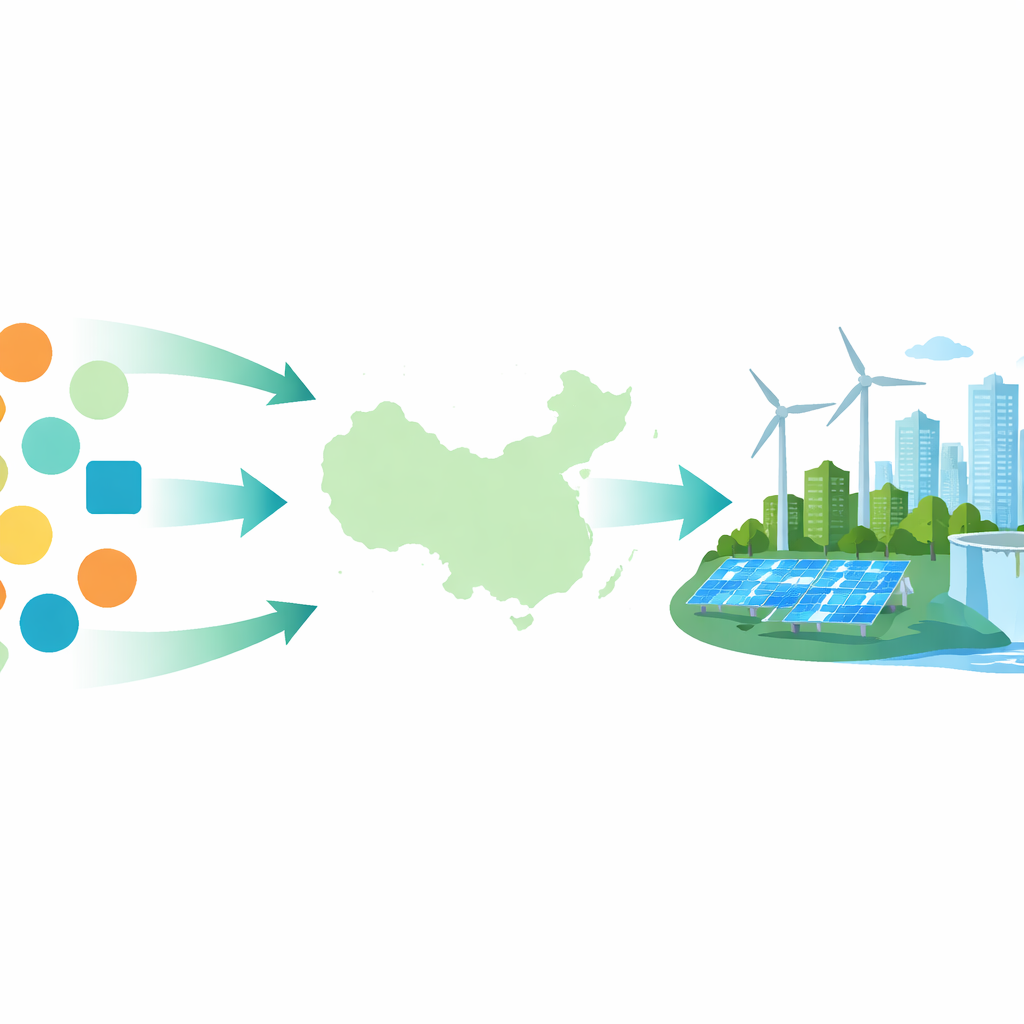
Building a New Kind of Energy System
The paper starts by defining what a "new energy system" means in today’s China. It is not just more wind farms and solar panels. Instead, it is an integrated setup that is clean and low‑carbon, safe and reliable, able to balance many different energy sources, and supported by smart, digital technology. To capture this broad vision, the researchers built an index using 28 separate indicators, grouped into four themes: safety and efficiency, cleanliness and emissions, diversification and coordination, and intelligence and inclusiveness. They then used a statistical method called the entropy approach to weigh these indicators objectively, creating a single score that tracks how advanced each province’s energy system has become from 2000 to 2022.
What a Diverse Financial "Habitat" Looks Like
Next, the authors turned to the money side. Borrowing concepts from biodiversity research, they treated different financial tools—such as green credit, green bonds, green insurance, green stock listings, and green funds—as "species" in a financial ecosystem. A province with many such tools, and with funding spread across them rather than concentrated in just one or two, is considered more diverse. They developed a diversity index that accounts not only for the number of these financial species but also for how similar or different they are from one another. In simple terms, the more varied and balanced a province’s green finance mix, the higher its financial diversity score.
Linking Financial Variety to Clean Power Growth
Using data for 30 provinces over 23 years, the researchers tested whether financial diversity is actually linked to progress in new energy systems. They controlled for other influences such as tax burden, urbanization, labor supply, transport infrastructure, openness to trade, and information services. Across many different statistical checks, the result was clear: provinces with more diverse financial ecosystems tended to build more advanced clean energy systems. This relationship held even when the authors changed how they measured both finance and energy, used alternative diversity indices, and accounted for delayed effects. Notably, placing more emphasis on "rare" financial species—like specialized green bonds and funds—brought especially strong gains, suggesting that niche financial products can unlock projects that standard loans or broad policies might miss.
How Innovation and Digital Tools Carry the Effect
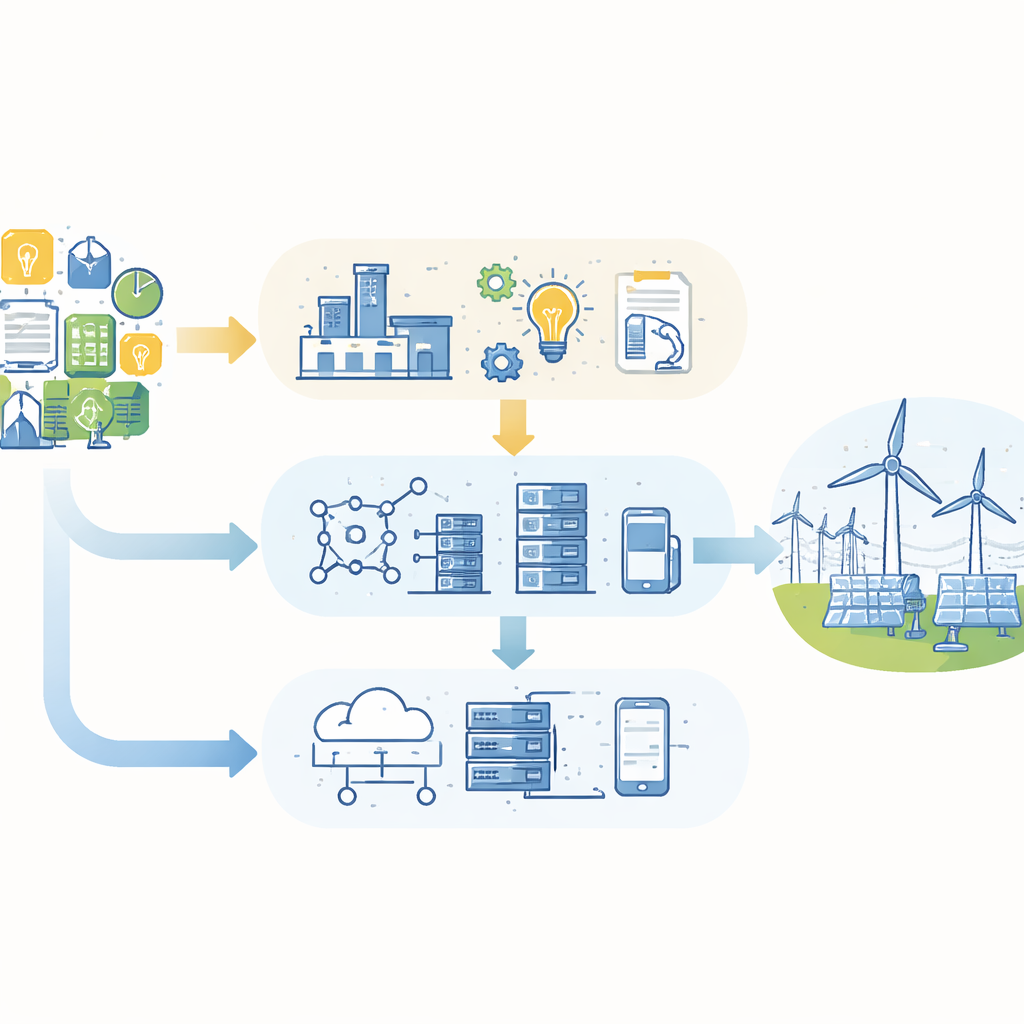
The study then dug into the mechanisms behind this link. It found that financial diversity boosts both overall invention activity and specifically green technology patents. This suggests that varied sources of capital make it easier for firms and researchers to experiment with cleaner technologies, helping to lower costs and improve performance over time. At the same time, diverse finance fuels digital infrastructure, such as broadband networks and mobile internet services, which in turn make energy systems more flexible and efficient. Digital tools help manage variable wind and solar output, coordinate power flows across regions, and reduce waste. Together, the innovation pathway and the digital pathway form two major channels through which a rich financial ecosystem translates into tangible progress on the ground.
Where Conditions Matter Most
The impact of finance diversity is not uniform across China. The authors show that it tends to be stronger in provinces that generate their own power rather than relying heavily on imported electricity, in regions with a long history of transportation networks such as early railroads, and in areas with relatively low bird diversity. These patterns hint at the complex ways infrastructure, geography, and environmental constraints shape energy development. For example, places with long‑standing transport links may find it easier to move equipment and materials, making it more rewarding for investors to back new energy projects. Conversely, regions rich in bird species often host more protected areas and must take extra care in placing wind turbines and transmission lines, which can slow new builds even when finance is available.
What This Means for the Clean Energy Transition
To a non‑specialist, the core takeaway is straightforward: the fight against climate change is not only about inventing better solar panels or passing green laws; it is also about redesigning the financial system so money can flow in many different, flexible ways. This study shows that when China’s financial "ecosystem" is richer in species—more types of green loans, bonds, funds, and insurance—it is better able to nurture the technologies, digital tools, and infrastructure that make a low‑carbon energy system possible. The authors argue that expanding and balancing this diversity, while paying attention to local conditions on the ground, offers a practical roadmap not only for China but for other countries seeking a resilient, affordable, and climate‑friendly energy future.
Citation: Liu, H., Wei, J. & Li, J. Research on the impact of diversity in financial ecosystems on new energy systems. Sci Rep 16, 13536 (2026). https://doi.org/10.1038/s41598-026-43235-y
Keywords: green finance, energy transition, renewable energy, financial diversity, digital energy systems