Clear Sky Science · en
Propofol regulates METTL3-mediated PARP-1 m6A modification to promote Parthanatos to improve NSCLC chemotherapy resistance
Why this study matters for people with lung cancer
Many people with non-small cell lung cancer, the most common type of lung cancer, are treated with the chemotherapy drug cisplatin. Unfortunately, tumors often become resistant, so the drug stops working well. This study explores an unexpected helper already used every day in operating rooms: the anesthetic propofol. The researchers ask whether propofol can make stubborn lung tumors sensitive to chemotherapy again and uncover how this happens inside cancer cells.
A familiar anesthetic with a hidden side job
Propofol is best known as the drug that quickly sends patients to sleep before surgery. In recent years, scientists have noticed that it may also influence how cancer cells grow and die. Earlier work suggested propofol can slow lung cancer cell growth and boost cisplatin’s effects, but the detailed explanation remained unclear. Here, the authors focused on a cisplatin-resistant lung cancer cell line and mouse models to see whether propofol could restore chemotherapy response and, if so, which cellular switches it flips to do this.
Forcing resistant cancer cells to self-destruct
In dishes of lung cancer cells, propofol alone barely harmed ordinary cells but strongly reduced the survival of cisplatin-resistant cells when combined with the drug. Staining methods that highlight dying cells showed that the combo treatment caused far more cell death than cisplatin by itself. In mice implanted with resistant lung tumors, adding propofol to cisplatin led to smaller tumors, lighter tumor weights, and more areas of tissue breakdown than chemotherapy alone. These results indicate that propofol does not simply sedate patients; it also pushes drug-resistant tumor cells toward destruction when used alongside cisplatin. 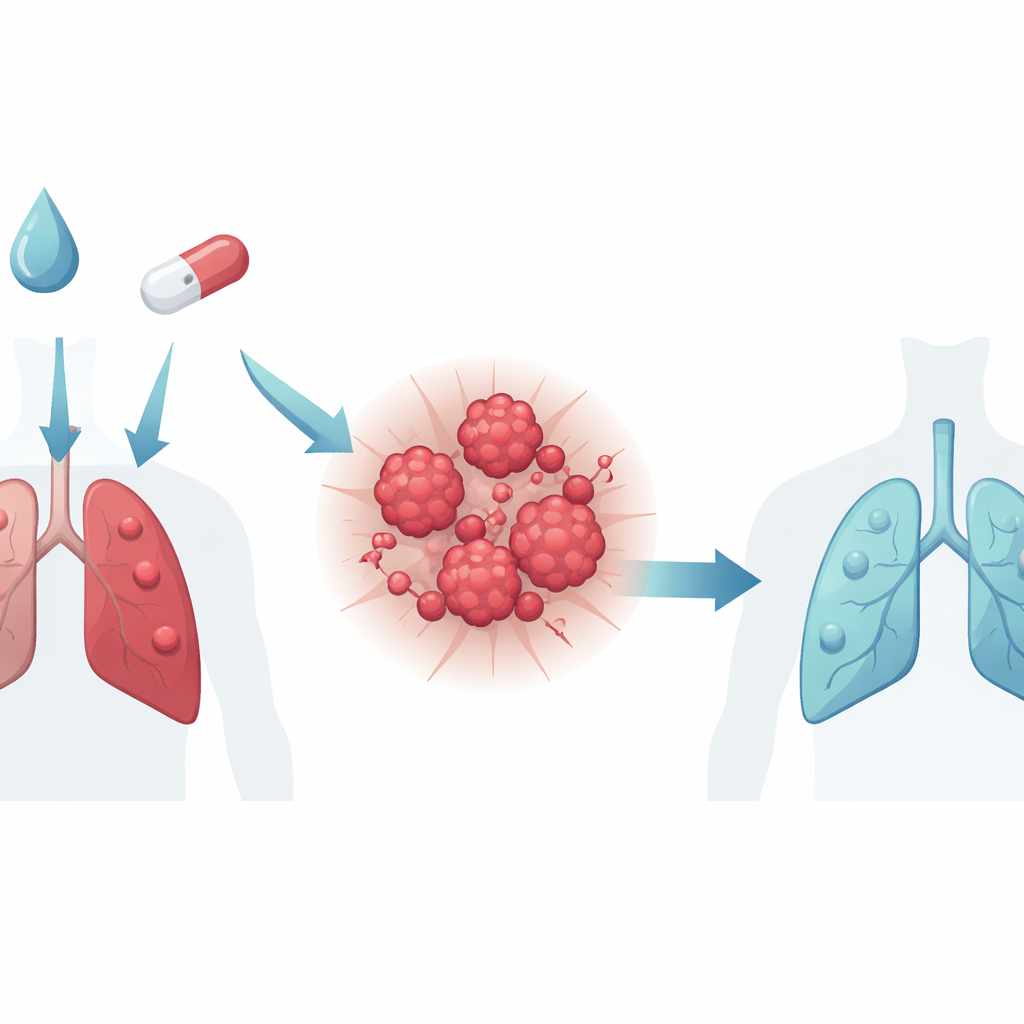
A special kind of cell death switched on
The team then asked what kind of cell death was being triggered. Instead of the classic “tidy” cell suicide pathway often discussed in cancer research, they found evidence for a less familiar route called Parthanatos. In this process, a DNA repair enzyme called PARP-1 becomes overactive, using up a key energy molecule (NAD+), damaging mitochondria, and driving a powerful protein duo into the cell nucleus to shred DNA. The researchers observed all of these hallmarks: increased binding and nuclear movement of the two proteins AIF and MIF, loss of mitochondrial membrane health, depletion of NAD+, buildup of a PARP-1–related chemical (PAR), and strong signals of DNA damage. Blocking PARP-1 with a specific inhibitor reversed these changes, showing that this destructive sequence depends on PARP-1 being pushed into overdrive by the treatment.
An RNA “tagging” enzyme at the heart of the switch
To understand why PARP-1 was so active, the authors turned to a layer of gene control that works not by changing DNA, but by lightly marking RNA messages. A key enzyme in this process, called METTL3, places a small chemical tag (known as m6A) onto RNA and can influence how long those messages last and how much protein they produce. The study shows that propofol raises METTL3 levels in resistant lung cancer cells treated with cisplatin. When METTL3 was artificially reduced, the special tag on PARP-1’s RNA dropped, PARP-1 levels fell, energy loss lessened, and the markers of Parthanatos declined. When METTL3 was boosted, the opposite occurred: more tagging on PARP-1 RNA, more PARP-1 activity, greater stress in mitochondria, and stronger signs of this harsh cell death pathway. In the mouse tumors, propofol plus cisplatin increased proteins linked to Parthanatos, but this effect was blunted when METTL3 was knocked down in the cancer cells. 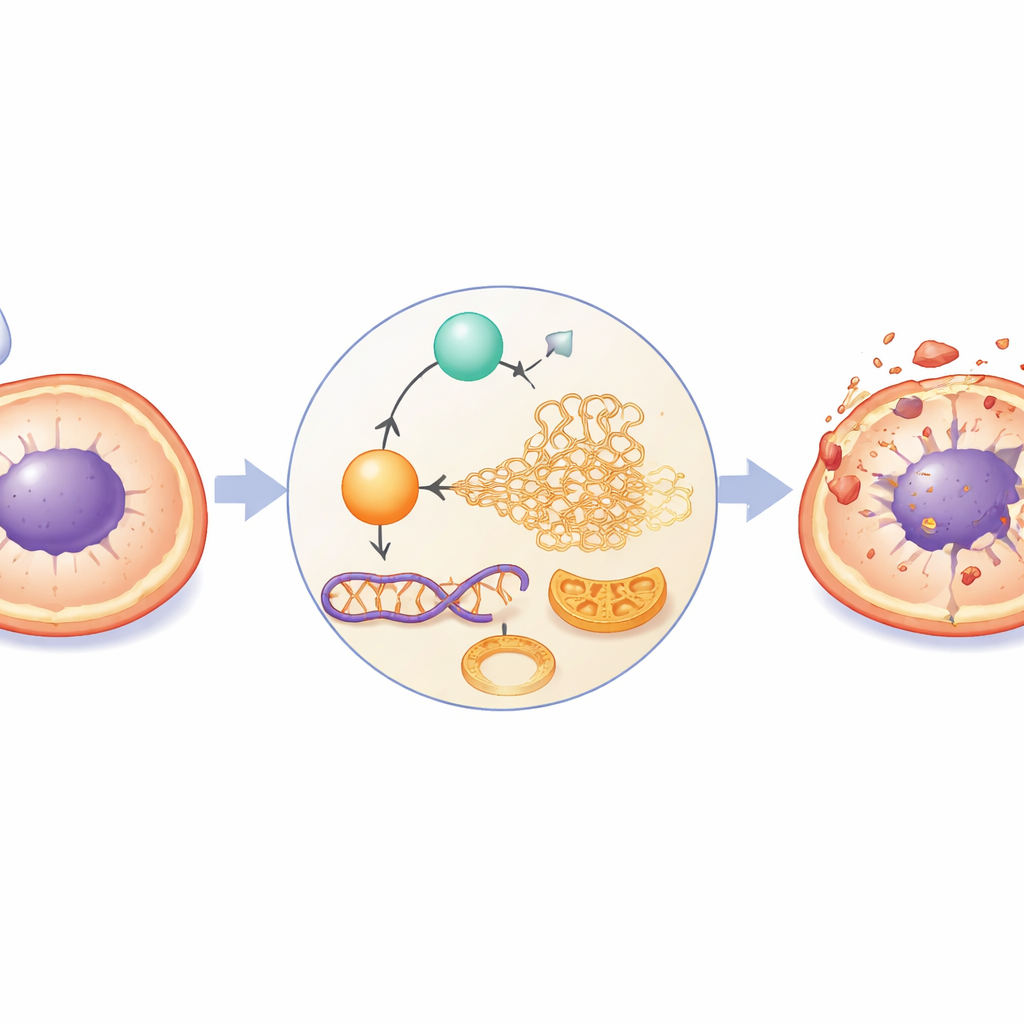
What this could mean for future treatments
Altogether, the study reveals that propofol can make resistant non-small cell lung cancer cells vulnerable to cisplatin again by turning up METTL3, which in turn stabilizes PARP-1 and drives the cells into Parthanatos. In lay terms, propofol helps “overload” a repair system in cancer cells so badly that it forces them into a catastrophic form of death, overcoming their resistance to chemotherapy. While these findings are still at the laboratory and animal stage, they suggest that drugs affecting this METTL3–PARP-1–Parthanatos chain, including commonly used anesthetics, could eventually be harnessed to improve chemotherapy success in difficult-to-treat lung cancers.
Citation: Ling, Q., Liu, K., Wen, J. et al. Propofol regulates METTL3-mediated PARP-1 m6A modification to promote Parthanatos to improve NSCLC chemotherapy resistance. Sci Rep 16, 12110 (2026). https://doi.org/10.1038/s41598-026-42665-y
Keywords: non-small cell lung cancer, cisplatin resistance, propofol, PARP-1, RNA methylation