Clear Sky Science · en
Vitamin E fails to prevent bisphenol S induced testicular damage in diabetic rats
Why this study matters to everyday life
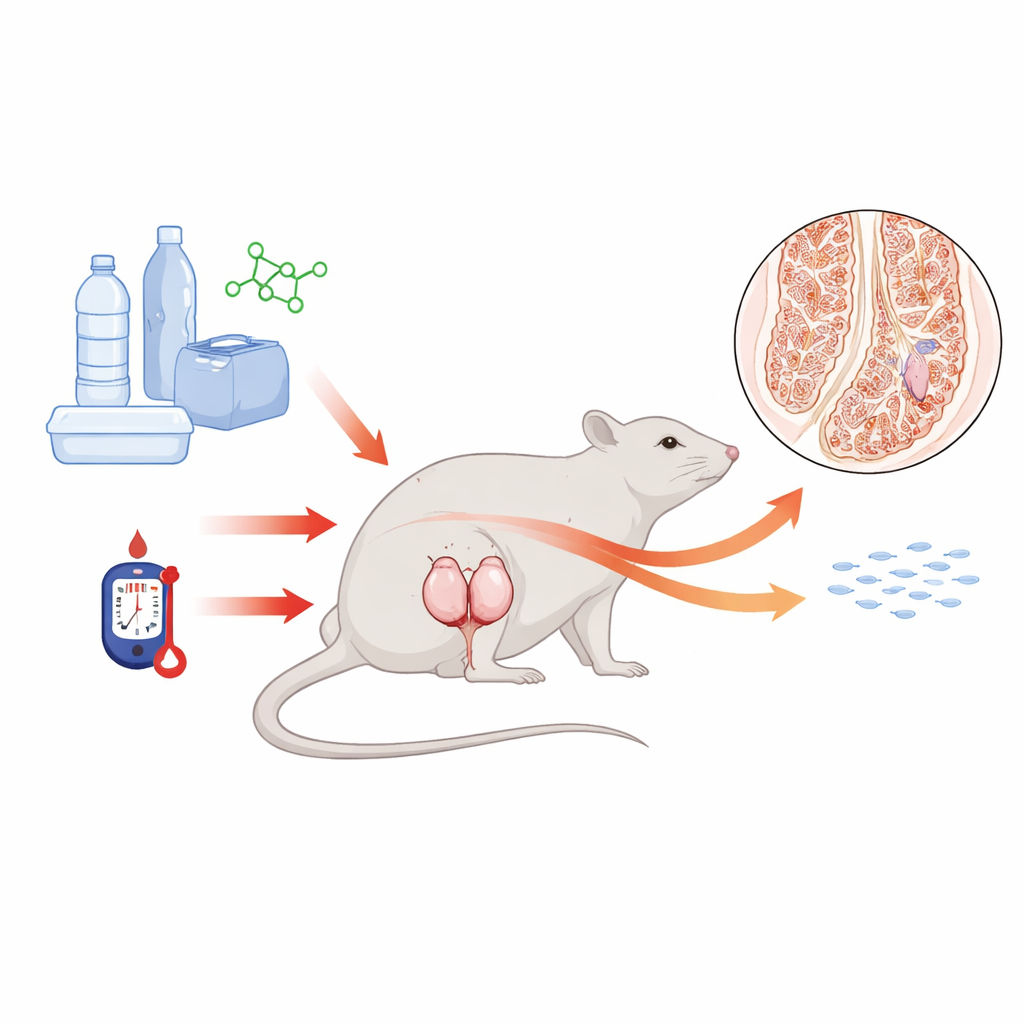
Many people reach for “BPA‑free” plastics thinking they are choosing a safer option. But manufacturers often replace bisphenol A (BPA) with closely related chemicals, such as bisphenol S (BPS), whose long‑term health effects are much less understood. This study asks a pointed question: in the context of diabetes—a very common chronic disease—does BPS harm male reproductive health, and can the popular antioxidant vitamin E offer protection? Using a rat model, the researchers show that BPS can damage the testes and sperm, and that vitamin E, rather than shielding against harm, sometimes makes things worse.
From BPA to its chemical cousin
As concerns about BPA grew, regulators restricted its use in baby bottles, food cans, and other plastics. Industry responded with BPA‑free products that often contain BPS instead. Because BPS has a very similar structure, scientists have worried it might mimic hormones and disturb metabolism and fertility in ways comparable to BPA. At the same time, diabetes is spreading worldwide and is itself linked to oxidative stress—an imbalance between damaging reactive molecules and the body’s defenses. The team reasoned that men with diabetes might be especially vulnerable to an added chemical stressor like BPS, and they asked whether vitamin E, a widely used antioxidant supplement, could help protect the testes.
Testing vitamin E and BPS in diabetic rats
Researchers induced diabetes in adult male Wistar rats and divided them into several groups: healthy controls, diabetic controls, diabetics given vitamin E, diabetics given BPS, and diabetics given both vitamin E and BPS. For 30 days, BPS and vitamin E were administered by mouth at doses previously shown to alter metabolism or protect against oxidative damage in rodents. At the end of the treatment, the team measured sex hormone levels in blood, examined testicular tissue under the microscope, counted apoptotic (dying) cells, assessed the activity of key antioxidant enzymes, evaluated the integrity of the blood–testis barrier, and analyzed sperm count, movement, and shape.
How BPS and diabetes damaged the testes
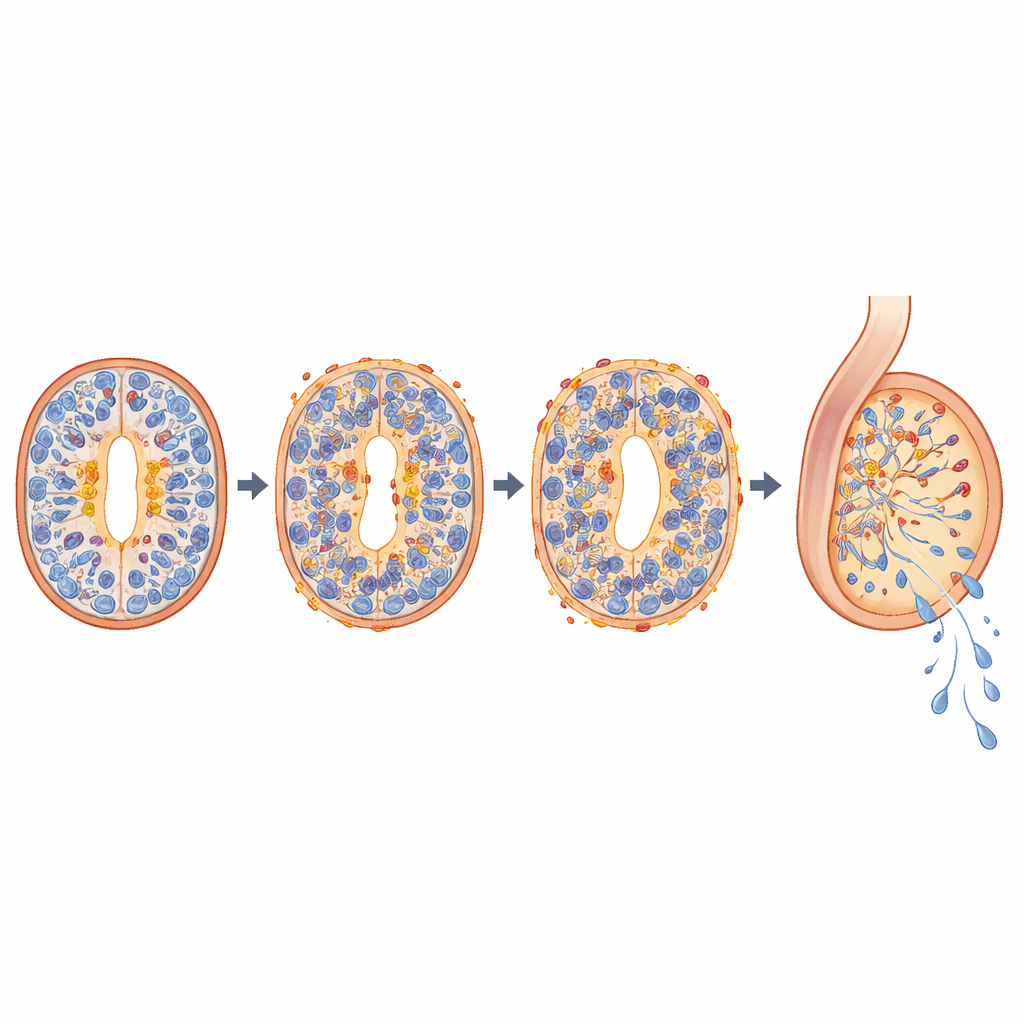
BPS exposure in diabetic rats clearly harmed the testes. Sperm concentration dropped, and microscopic analysis revealed disorganized seminiferous tubules—the structures where sperm are produced—with fewer developing germ cells, more vacuoles (empty spaces), and multinucleated or shrunken cells. A specialized barrier that normally separates developing sperm from the bloodstream became leaky, allowing a fluorescent tracer to penetrate where it should not. Enzymes that usually detoxify reactive oxygen species, such as superoxide dismutase and catalase, showed reduced activity, while markers of cell death rose. Together, these changes indicate that BPS boosts oxidative stress, weakens natural defenses, and triggers widespread loss of testicular cells, all of which can impair sperm production.
Vitamin E: unexpected double‑edged sword
Vitamin E alone in diabetic rats did offer some localized structural improvements in the testes, suggesting it can support tissue architecture under certain conditions. However, it also lowered the activity of several antioxidant enzymes, and when combined with BPS, it did not blunt the chemical’s harmful effects. In fact, co‑treatment often worsened outcomes: antioxidant defenses such as catalase fell even further, apoptotic cells increased, testicular damage scores were highest, and sperm counts were lowest. Vitamin E by itself tended to raise testosterone levels, but this apparent benefit vanished when BPS was added, with hormone levels dropping back down. These patterns fit with previous work showing that at high doses or without sufficient “partner” antioxidants like vitamin C, vitamin E can flip from being an antioxidant to acting in a pro‑oxidant, damage‑promoting manner.
What this means for people and “safer” plastics
This animal study does not prove that BPS or vitamin E supplements have identical effects in humans, but it raises serious concerns. In diabetic rats, BPS—used as a BPA replacement—undermined testicular structure, antioxidant defenses, and sperm production, while vitamin E failed to protect and in some cases deepened the injury. For the lay reader, the message is twofold: “BPA‑free” does not automatically mean harmless, and more of an antioxidant is not always better, especially in complex conditions like diabetes. The work underscores the need to re‑evaluate common plastic additives for reproductive safety and to design more nuanced strategies, beyond single vitamins, to guard against the subtle but potentially lasting impacts of everyday chemical exposures.
Citation: Peña-Corona, S.I., Chávez-Corona, J.I., Ruiz-García, O.V. et al. Vitamin E fails to prevent bisphenol S induced testicular damage in diabetic rats. Sci Rep 16, 12311 (2026). https://doi.org/10.1038/s41598-026-42624-7
Keywords: bisphenol S, male fertility, diabetes, oxidative stress, vitamin E