Clear Sky Science · en
The use of screening tests in panel studies to monitor cognitive functioning in senior participation programme groups using ACE-III and M-ACE
Why Keeping a Clear Mind in Later Life Matters
As people live longer, many worry about staying sharp enough to manage everyday life, keep their independence, and enjoy time with family and friends. Subtle memory slips or trouble finding words can be early signs of deeper changes. This study from a Polish research team asks a very practical question: which quick, pen-and-paper checks of thinking skills are best at spotting early warning signs of serious problems like dementia in older adults who attend geriatric clinics and senior activity programs?
Simple Tests for a Complex Brain
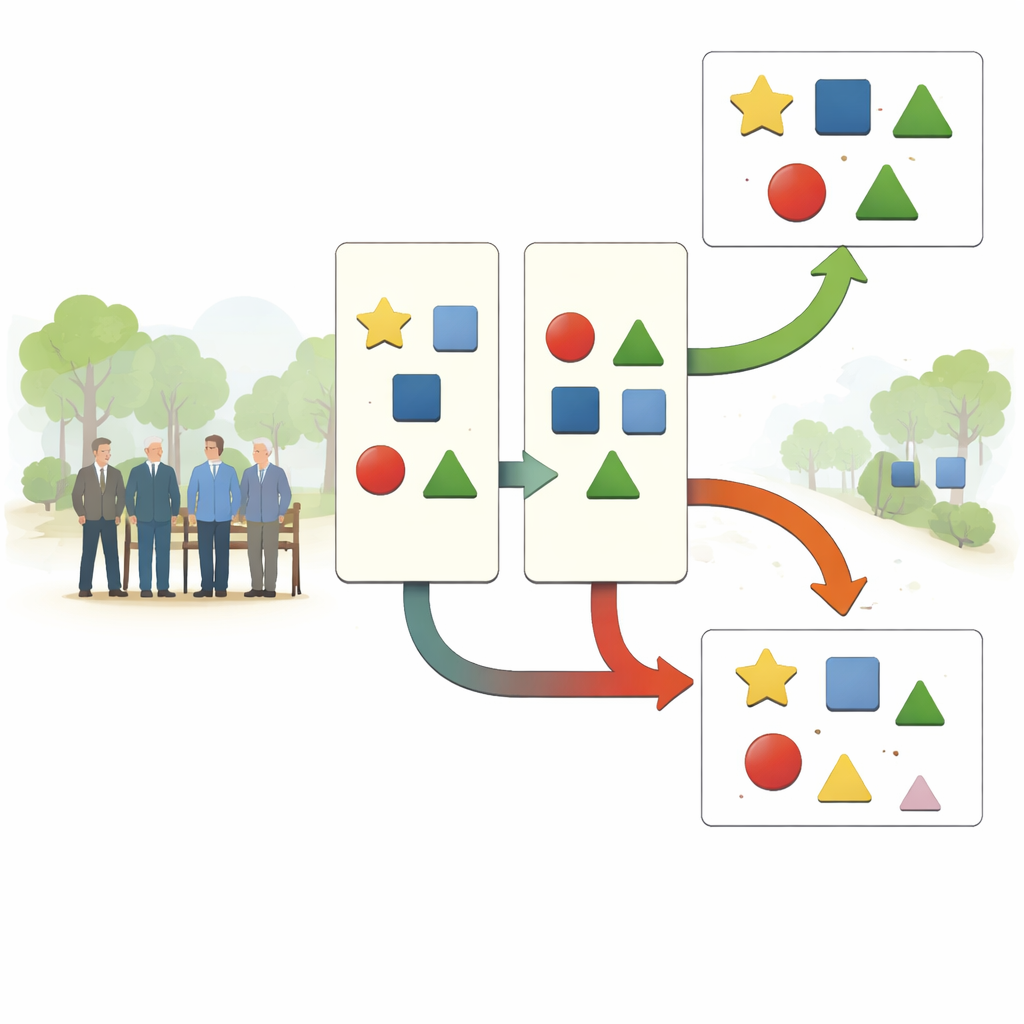
Doctors and psychologists often rely on short questionnaires to get a first impression of how well an older person is thinking, remembering, and paying attention. The most famous of these is the Mini-Mental State Examination (MMSE), used worldwide for decades. Newer tools, called ACE-III and its shortened version M-ACE, cover a broader range of abilities, such as language skills and visual–spatial tasks (like copying shapes). All three tests are designed to be quick, low-cost, and easy to use in busy clinics or community centers, but it has not been clear which ones give the most useful picture over time, especially for people whose problems are still mild.
Tracking Seniors Over Time
The researchers reviewed records from 138 older adults, most in their early seventies, who either came to a geriatric outpatient clinic or took part in senior support and activity programs at a home hospice in Poznan, Poland. Everyone followed the same procedure: a structured interview about education, health, and daily functioning, followed by the MMSE and ACE-III; scores for the shorter M-ACE were calculated from the ACE-III results. Each person was tested at least twice, about 13 months apart, allowing the team to see who stayed stable, who improved, and who declined. The scientists then grouped scores into three broad categories: normal thinking, mild cognitive impairment (MCI), and dementia, and examined how often people moved between these categories.
Which Tests Sense Trouble Sooner?
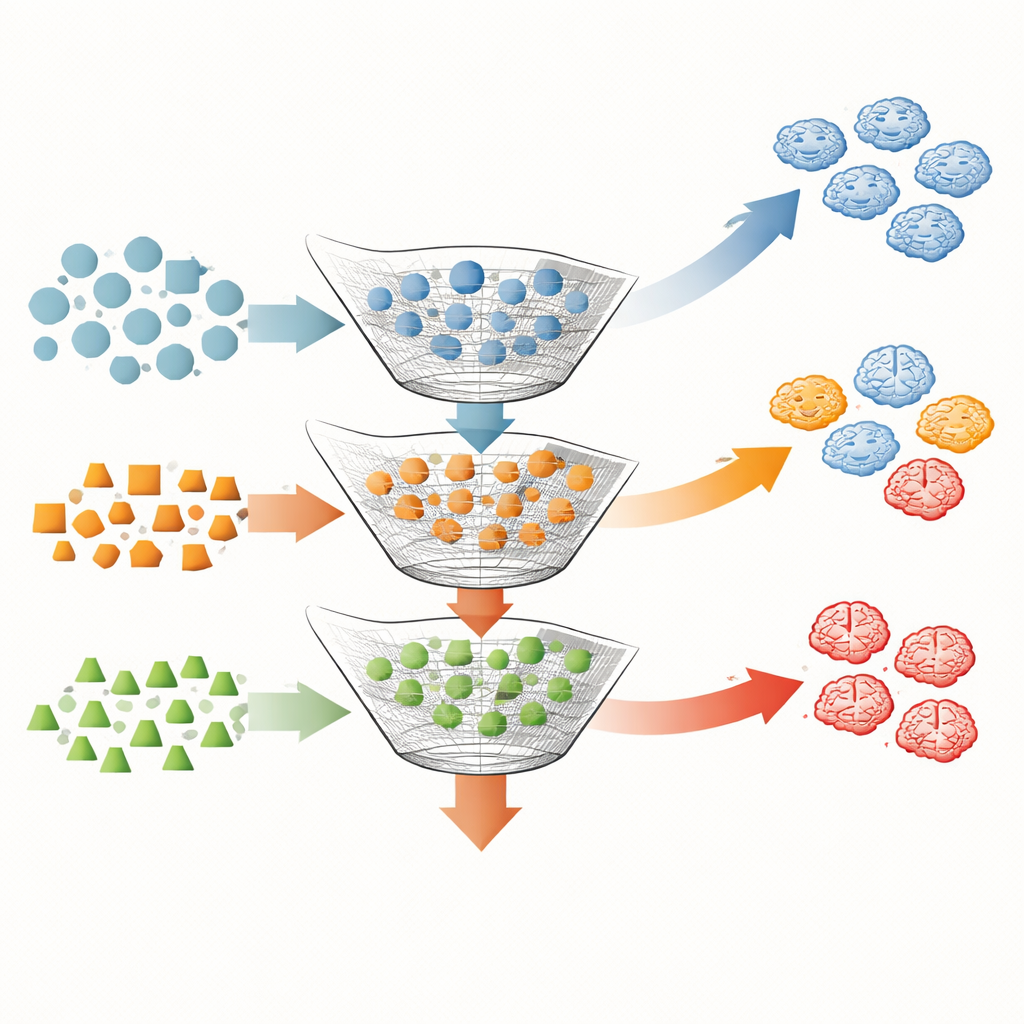
When the team compared MMSE with the newer tools, a clear pattern emerged. Both ACE-III and M-ACE shifted noticeably more people into the “below normal” range than MMSE did, in both the first and second rounds of testing. In other words, ACE-III and M-ACE were more likely to flag participants as having at least mild problems when MMSE still placed them in the normal group. Statistical analyses showed that ACE-III and M-ACE had high accuracy in distinguishing normal from impaired thinking, with strong sensitivity (they picked up most people who truly had problems) and specificity (they did not incorrectly label too many healthy people as impaired). Importantly, these accuracy measures stayed stable across the year between assessments, suggesting that the tools are reliable for repeated use in panel studies that follow people over time.
Subtle Changes and Real-Life Influences
The study also looked at how people’s categories changed between visits. For all three tests, the majority of participants stayed in the same category over roughly a year, which may reflect that cognitive decline often unfolds slowly. A smaller share moved to worse categories, signaling possible progression toward dementia, while others actually improved, sometimes shifting from dementia-level scores back into the normal range. The authors suggest several reasons for this: short-term factors such as stress or poor sleep on the day of the first test, greater familiarity with common test tasks, medical treatment, and the benefits of staying active in senior programs that support social contact, exercise, and mental stimulation. Interestingly, test scores did not show clear links with gender, age, length of schooling, or the exact time gap between assessments within this relatively short follow-up.
What This Means for Aging Well
For families, caregivers, and health professionals, the study’s bottom line is reassuring but also cautionary. All three tests—MMSE, ACE-III, and M-ACE—are suitable for regular checkups of thinking skills in older adults. However, ACE-III and especially its shorter cousin M-ACE seem better at picking up the early, more subtle changes that signal higher risk of future dementia. Using these tools in clinics and community programs can help identify older people who may need closer follow-up, lifestyle support, or more detailed medical evaluation. Early, accurate detection gives a better chance to strengthen cognitive reserve, encourage healthy habits, and put support in place before day-to-day life is seriously affected.
Citation: Kaczmarek, B., Ilkowska-Adamczewska, Z., Remlinger-Molenda, A. et al. The use of screening tests in panel studies to monitor cognitive functioning in senior participation programme groups using ACE-III and M-ACE. Sci Rep 16, 12432 (2026). https://doi.org/10.1038/s41598-026-42595-9
Keywords: cognitive screening, mild cognitive impairment, dementia risk, ACE-III, older adults