Clear Sky Science · en
Secretoglobin Felis Domesticus 1 (Fel d 1) specific immunoglobulin E in diagnosis of patients with respiratory allergy to cats
Why some people wheeze around cats
For many people, cuddling a cat comes at a price: sneezing, a stuffy nose, or even an asthma attack. Yet not everyone with a "positive allergy test" to cats is truly allergic in a way that affects their daily life. This study, conducted in Egypt, examines a key cat protein called Fel d 1 and shows how a more precise blood test can help doctors tell the difference between genuine cat allergy and misleading test results, guiding better treatment and sparing patients from unnecessary restrictions.
The main troublemaker from cats
Cats release many substances that can irritate sensitive airways, but Fel d 1 is the star culprit behind most cat-related breathing problems. It is produced in cats’ skin, saliva, and glands, sticks to their fur, and then rides on tiny flakes of skin and dust that spread through homes, schools, and offices. Because Fel d 1 clings to surfaces and floats easily, people can react even if they do not own a cat. Traditional skin prick tests use a mixture of cat proteins and can show sensitivity, but they cannot reveal exactly which component is causing trouble, or whether the reaction is due to cross-talk with other allergens such as pollen or dust. 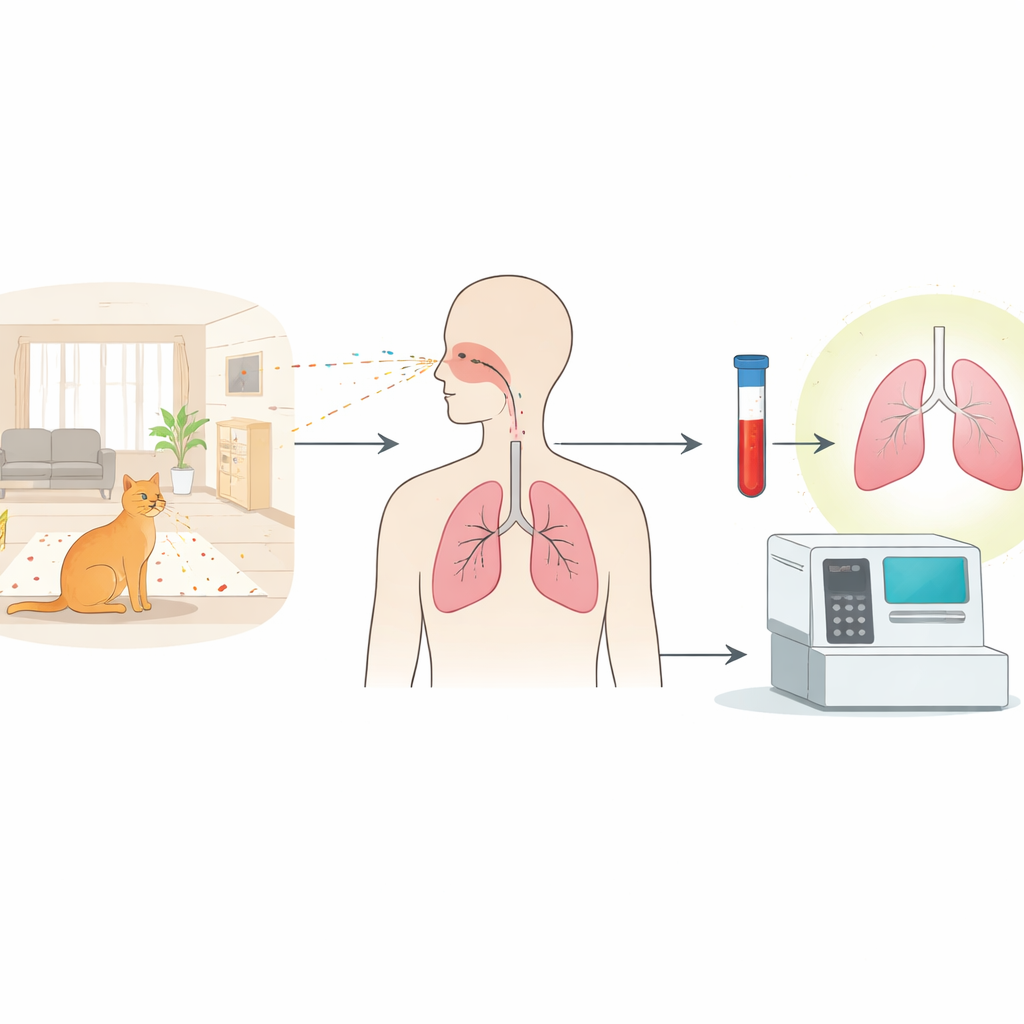
Taking a closer look in Egyptian patients
The researchers studied 35 Egyptian adults who all had breathing or nose symptoms such as asthma or allergic rhinitis and who all tested positive to cat dander on skin prick testing. They collected detailed histories about age, home region, contact with cats, family history of allergy, and other possible triggers. Blood tests measured overall allergy antibody levels, white blood cell counts, and, crucially, the amount of antibody in the blood that targets Fel d 1 specifically, using a highly standardized laboratory system called ImmunoCAP.
Not all positive skin tests mean true cat allergy
Despite every participant having a positive skin test to cat dander, only 40 percent had measurable antibodies directed specifically against Fel d 1. Those with Fel d 1–specific antibodies tended to be older, more likely to have direct cat exposure, and more likely to report a family history of allergy. Their blood work also showed higher total allergy antibodies and higher counts of certain white blood cells, especially eosinophils, which are often involved in asthma and hay fever. The higher the Fel d 1–specific antibody level, the more severe their asthma and nasal symptoms tended to be, suggesting that this marker tracks with real-world disease, not just test reactivity.
How other irritants and seasons play a role
The study also explored how Fel d 1 reactivity fits into a bigger picture of multiple triggers. Some patients were sensitive to tobacco smoke, different pollens, and common foods. People with positive tests to tobacco and mixed pollens often had higher Fel d 1 levels, hinting that exposure to smoke or seasonal pollen may magnify cat-related symptoms by piling on the strain to already inflamed airways. Many patients described symptoms that worsened at certain times of year, supporting the idea that cat allergy and seasonal triggers can combine to push the airways past a tipping point. 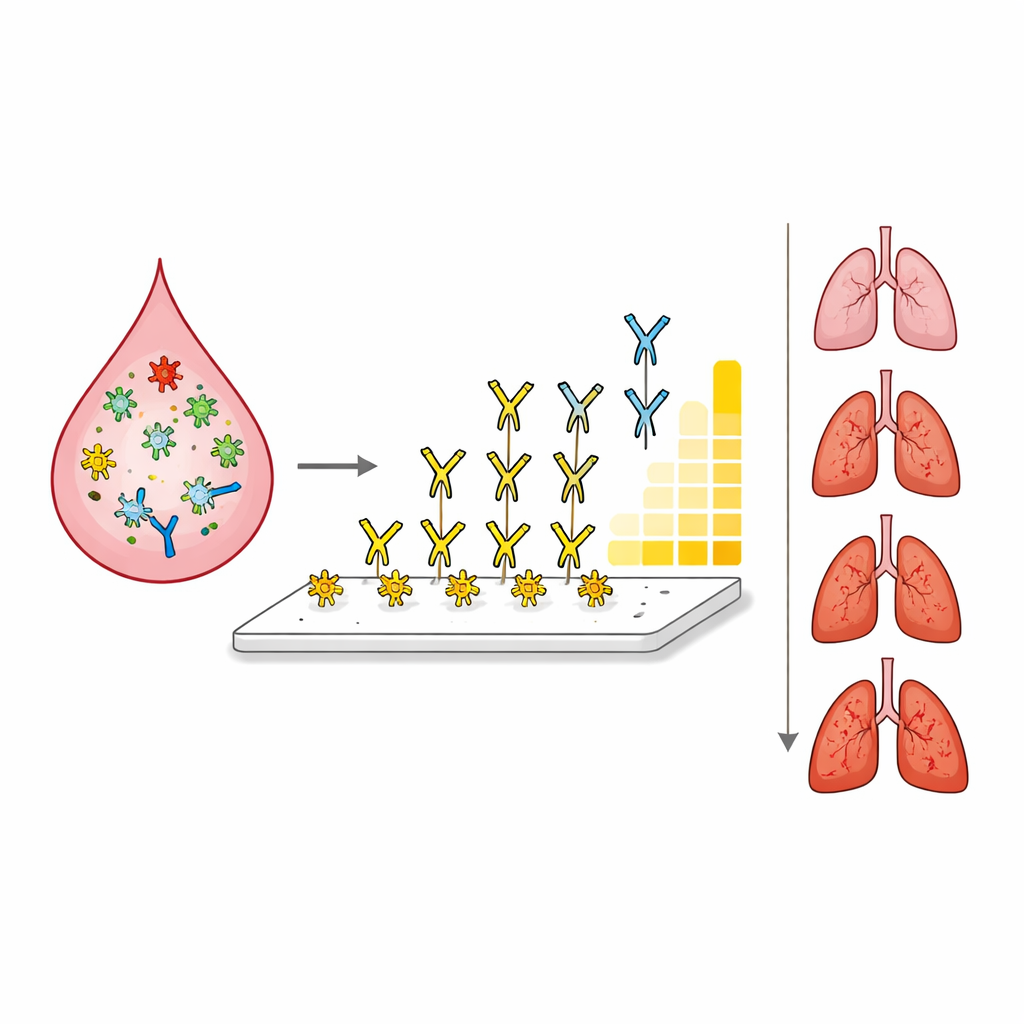
What these findings mean for care
Because only four in ten patients with a positive cat skin test had strong evidence of true Fel d 1–driven allergy, the authors warn that relying on skin tests alone may lead to overdiagnosis. That can push people into drastic life changes—such as removing a beloved pet—or into costly treatments like allergen immunotherapy that may not help. Instead, they argue that adding a precise blood test for Fel d 1–specific antibodies can sharpen diagnosis, identify which patients genuinely need cat-focused interventions, and help doctors judge how severe a person’s disease may become. In the long run, this more targeted approach could guide personalized strategies, from adjusting cat exposure and home cleaning to selecting the patients most likely to benefit from allergy shots or emerging treatments that aim to lower Fel d 1 levels at the source.
Citation: Alshenawy, N.Y.M., Mahran, M.Z., ElNajjar, M.R. et al. Secretoglobin Felis Domesticus 1 (Fel d 1) specific immunoglobulin E in diagnosis of patients with respiratory allergy to cats. Sci Rep 16, 9833 (2026). https://doi.org/10.1038/s41598-026-42206-7
Keywords: cat allergy, Fel d 1, asthma, allergic rhinitis, allergy diagnosis