Clear Sky Science · en
Food insecurity and associated factors among adult cancer patients in south Ethiopia: a cross-sectional study
Why Food on the Table Matters During Cancer
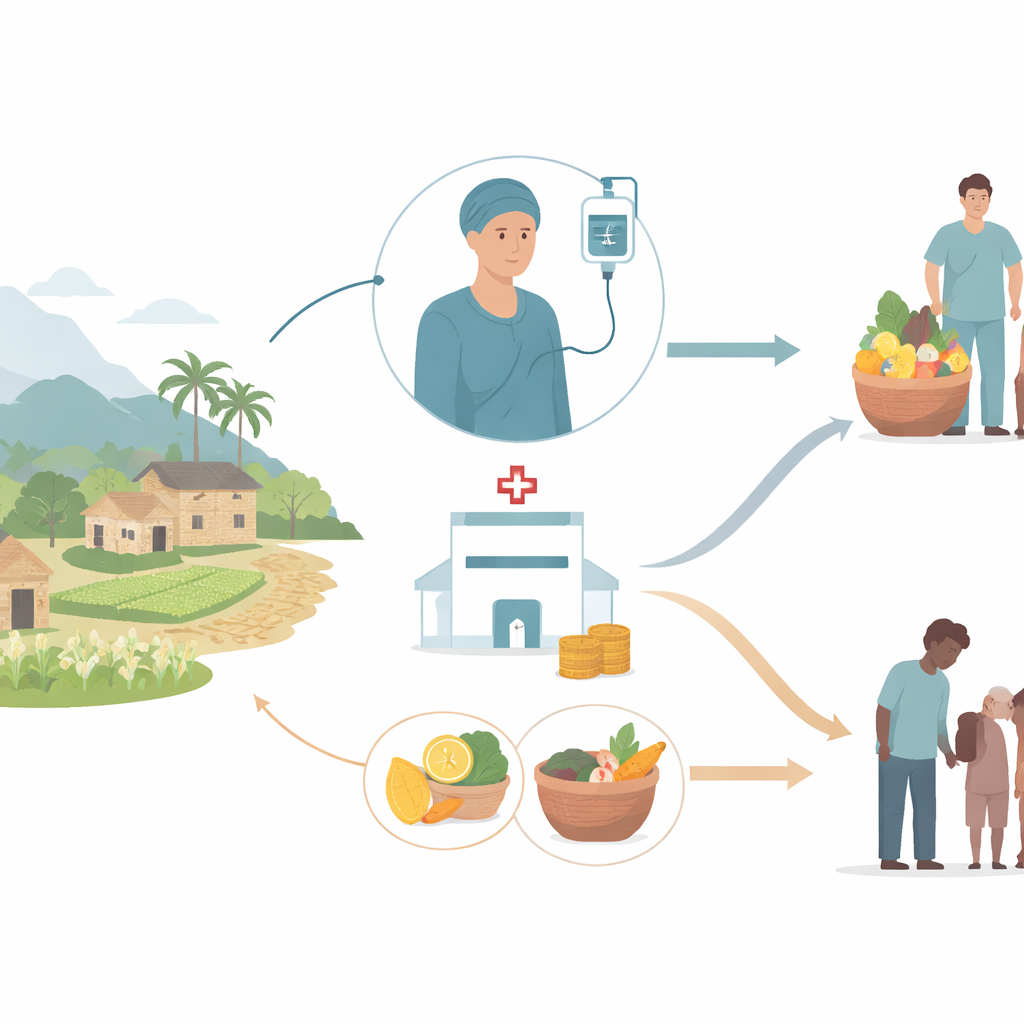
When someone is fighting cancer, we often focus on medicines, scans, and hospital visits. But another, quieter battle happens at home: making sure there is enough to eat. This study from South Ethiopia looks at how often adults with cancer struggle to get food and which life circumstances make that struggle worse or easier. Understanding this link between illness and the dinner table helps show why good cancer care must include more than drugs and machines.
Living with Cancer and Worrying About Meals
Researchers surveyed 338 adults receiving cancer care at the only oncology center in South Ethiopia. These patients came from both rural and urban areas, and many had limited schooling and large families. To measure food problems in their homes, the team used a standard set of questions about the past month: Did families worry they would run out of food? Did they eat fewer meals, smaller portions, or foods they did not want because there was nothing else? Answers were scored and grouped to show how serious the shortage was.
How Common Food Shortages Are
The findings were stark. Nearly two out of three households that included a cancer patient were food insecure, meaning they did not always have enough or the kind of food they needed. Many families worried about running out of food, cut back on variety, or reduced the number of meals per day. While most of this hardship fell into the “mild” category, a noticeable share of households experienced more severe problems, such as going to bed hungry or having no food in the house at all. These rates are higher than estimates for the average Ethiopian household, suggesting that cancer deepens an already serious problem.
Who Is Most at Risk
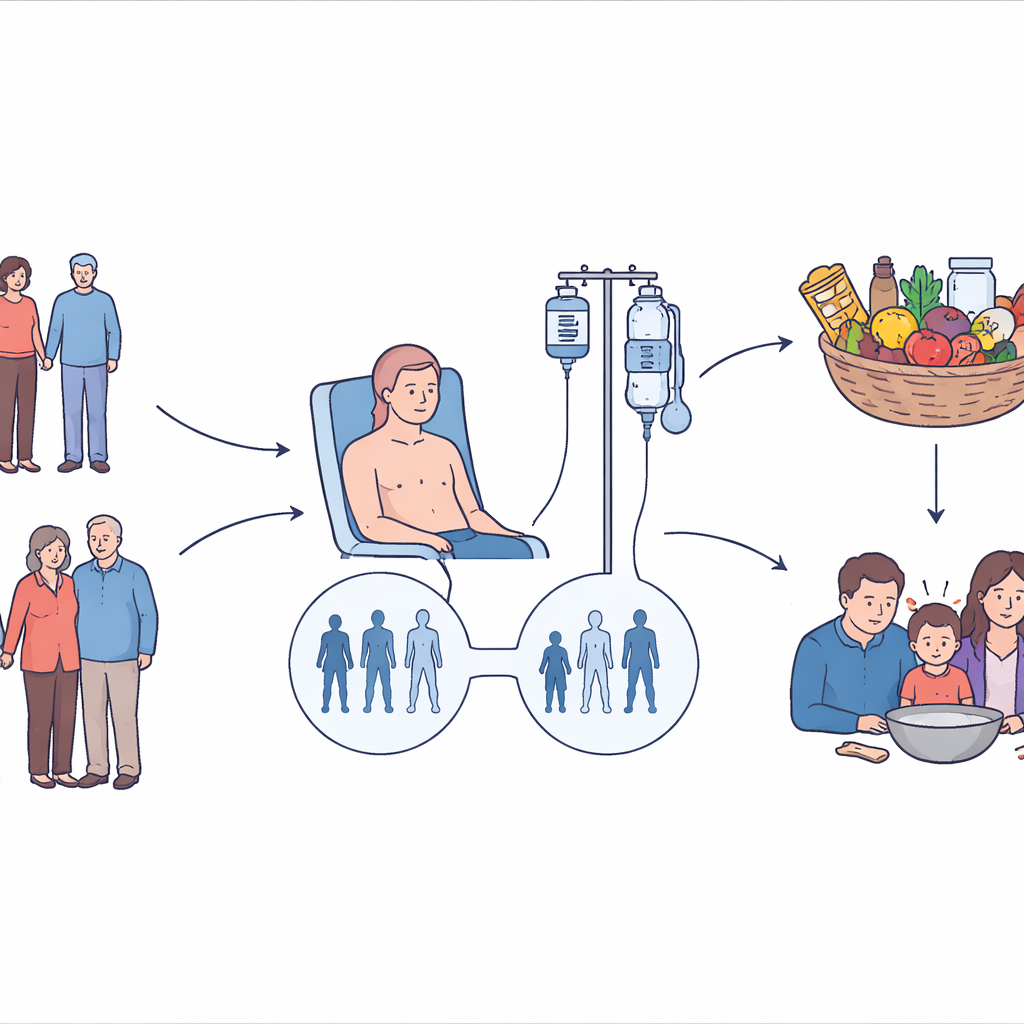
The study also looked at which patients were more likely to live in food-insecure households. Younger adults with cancer tended to face greater food shortages than older adults. One likely reason is that younger people may lose their income just as they are expected to support children and other family members. Marital status also mattered: people who were married were less likely to be food insecure. Having a partner may bring shared earnings, shared caregiving, and stronger social networks that help keep food on the table.
Treatment, Strength, and Food on the Table
Cancer treatment and physical strength were closely tied to food security. Patients who were receiving chemotherapy, and those who had gone through more rounds of treatment, were less likely to be food insecure. In this setting, that may signal that only those with somewhat better financial or social support can keep up with repeated hospital visits and medicines. In contrast, patients whose illness left them weak and limited in daily activities were more likely to face food shortages at home. When someone is too ill to work, and care-related expenses rise, a family’s budget can be pulled away from food and toward treatment.
What These Findings Mean for Cancer Care
For people in South Ethiopia, cancer is not only a medical crisis but also a threat to basic needs like eating enough every day. This study shows that food insecurity is common among adults with cancer and is closely linked to age, whether someone has a partner, how strong they feel, and how far they are in treatment. The authors argue that checking for food problems should be part of routine cancer visits, especially for younger, unmarried, and physically limited patients. Connecting families to social support and food programs can help ensure that cancer care does not happen in an empty kitchen. In low-resource settings, protecting access to food is an essential part of helping patients survive and recover.
Citation: Dake, S.K., Nane, D., Haile, D.T. et al. Food insecurity and associated factors among adult cancer patients in south Ethiopia: a cross-sectional study. Sci Rep 16, 11524 (2026). https://doi.org/10.1038/s41598-026-42036-7
Keywords: cancer patients, food insecurity, Ethiopia, chemotherapy, nutrition support