Clear Sky Science · en
Effect of tooth agenesis on facial soft tissue profile
Why Missing Teeth Matter for Your Face
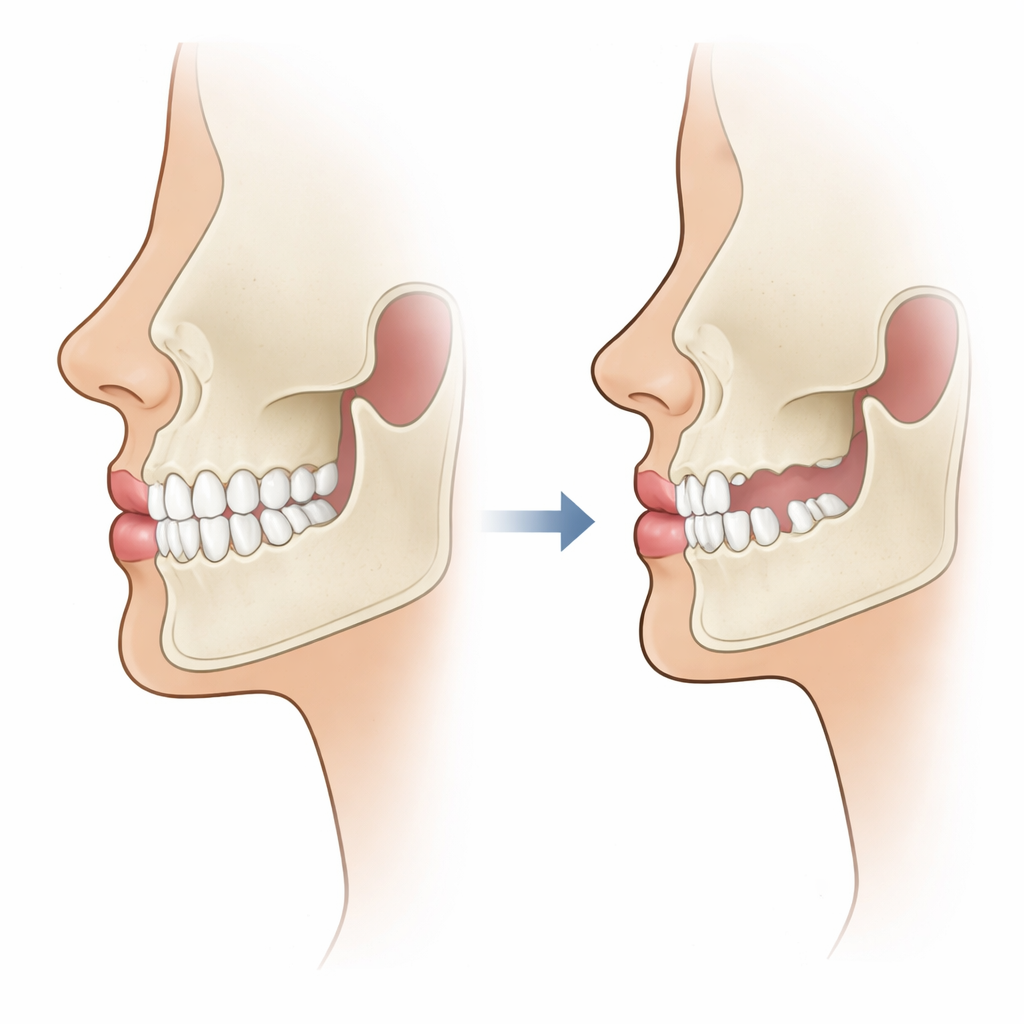
Most people think of missing teeth as a problem for chewing or smiling, but this study shows they can subtly reshape the entire face. The researchers asked a simple question: when some permanent teeth never form at all—a condition called tooth agenesis—does that change the way a person’s facial profile looks from the side? Because our faces strongly influence how we are perceived socially and even how we feel about ourselves, understanding these quiet changes matters for both health and appearance.
Looking at Faces in Profile
To explore this, the team examined side-view X‑rays of the head, called lateral cephalometric radiographs, from 799 orthodontic patients in Switzerland and Greece. About three in five had at least one congenitally missing permanent tooth, while the rest had a full set, including wisdom teeth. Instead of relying on a few simple angles or distances, the scientists traced smooth curves along the outline of the forehead, nose, lips, and chin and placed dozens of reference points along these curves. Using specialized shape-analysis techniques, they could compare the overall form of facial profiles, while filtering out simple size differences between people.
Finding Patterns in Facial Shape
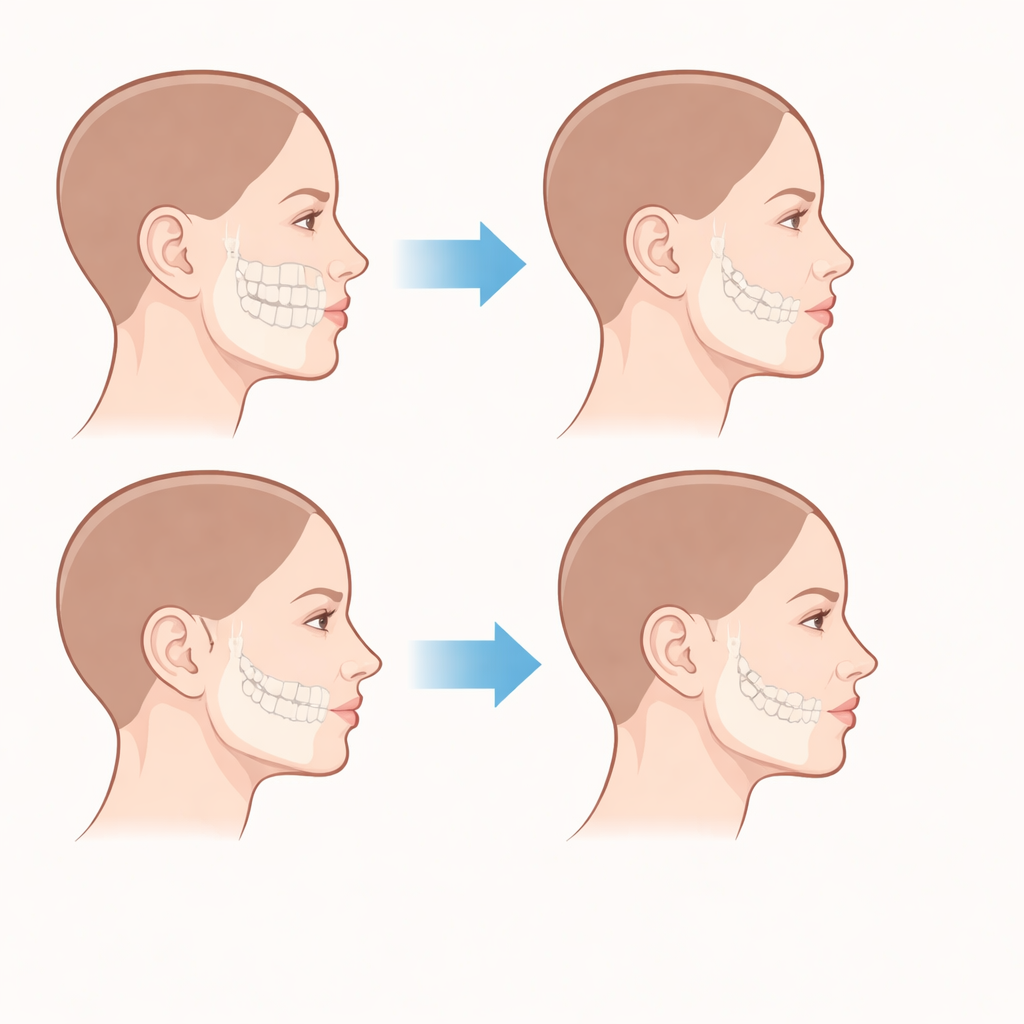
When the researchers crunched the data, they found that a small number of underlying shape patterns could describe nearly all the variation in facial profiles. Men and women differed clearly in these patterns, so the effects of missing teeth were studied separately for each sex and adjusted for age, to account for growth and natural age‑related changes. In both men and women, having more missing teeth was reliably linked to a flatter profile. People without tooth agenesis tended to have slightly more curved faces when viewed from the side, with fuller, more forward lips and a chin that appeared less prominent.
How Missing Teeth Shape the Lips and Chin
The side-by-side comparisons of “average” profiles helped clarify what changes the eye might notice. As the number of missing teeth increased, the upper and lower lips tended to sit further back, making them look thinner and less projected. At the same time, the chin appeared more prominent, and the overall facial outline between the forehead and chin became straighter. These shifts were modest but consistent. Even when only the wisdom teeth were missing and all other teeth were present, a similar—though weaker—trend toward a slightly flatter profile and reduced lip fullness was seen, especially in women. This suggests that the influence of tooth agenesis goes beyond the exact spot where teeth are absent, affecting the broader balance of the jaws and facial soft tissues.
Men, Women, and Evolving Faces
The study also highlighted that male and female faces are shaped differently over the lifespan, influenced by hormones and bone biology. Women in this sample showed a somewhat stronger link between missing teeth and profile changes. The authors place their findings within a larger evolutionary story: over time, modern humans have tended to develop smaller faces and fewer teeth. The same biological factors that reduce tooth number may also encourage a straighter, less convex facial outline. Even though this research focused on white‑European patients, and only on two‑dimensional side views, it adds a new piece to how our teeth, bones, and facial soft tissues co‑develop.
What This Means for Appearance and Treatment
From a lay perspective, the key message is that when permanent teeth never form, the effect is not just inside the mouth—it can subtly reshape the lips and profile. In a world where fuller lips and gentle facial curves are often considered attractive, the flatter profiles and more retrusive lips associated with tooth agenesis may have cosmetic consequences, especially as natural aging also tends to thin the lips and straighten the profile. For people with multiple missing teeth, the authors argue, orthodontic and restorative care should be tailored with these facial effects in mind, not just to restore bite and alignment but to support overall facial harmony.
Citation: Alamoudi, R., Kanavakis, G., Halazonetis, D. et al. Effect of tooth agenesis on facial soft tissue profile. Sci Rep 16, 11142 (2026). https://doi.org/10.1038/s41598-026-41815-6
Keywords: tooth agenesis, facial profile, orthodontics, craniofacial development, facial esthetics