Clear Sky Science · en
Integration of circulating tumor DNA data enhances lung cancer prediction in patients with COPD
Why this matters for people with chronic lung disease
People living with chronic obstructive pulmonary disease (COPD) face a much higher risk of developing lung cancer, yet spotting cancer early in these damaged lungs is notoriously difficult and often requires risky biopsies. This study explores whether a simple blood test that captures tiny fragments of tumor DNA, combined with modern computer algorithms, can more accurately flag which COPD patients are most likely to have lung cancer—and do so in a way that might one day spare some patients from invasive procedures.
Looking for cancer clues in the bloodstream
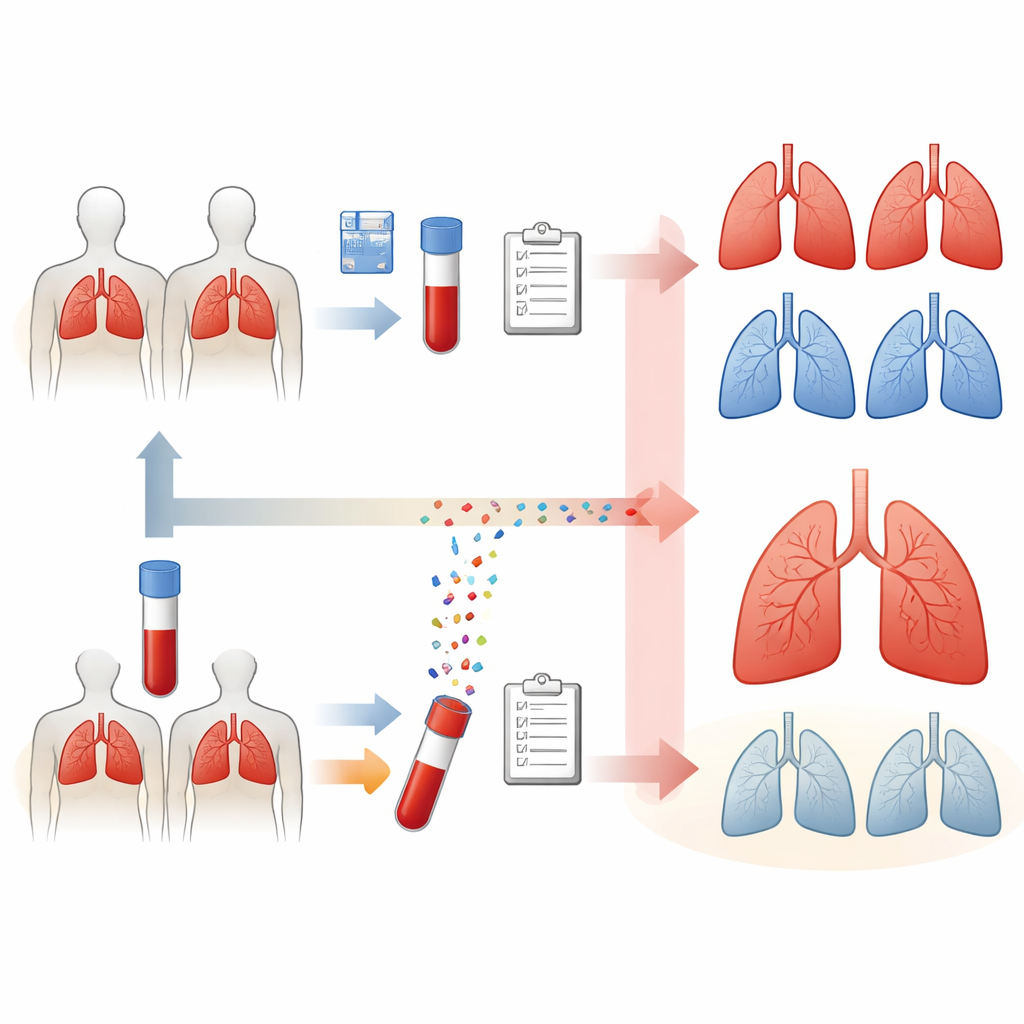
When cancer cells grow, they shed bits of their DNA into the blood, known as circulating tumor DNA. The researchers collected blood from 236 people with moderate COPD, about half of whom already had lung cancer and half of whom did not. Instead of searching the entire genome, they focused on 24 genes that are often altered in lung tumors. Using a highly sensitive sequencing approach, they scanned each blood sample for telltale mutations and also measured how much mutated DNA was present and how strongly the signal stood out from background noise.
Adding smart algorithms to traditional risk factors
Alongside the blood test, the team assembled detailed clinical information for each participant, including age, sex, smoking history, lung function, blood markers of inflammation, and questionnaires on breathing symptoms. They then fed 40 pieces of information—clinical measures plus genomic and molecular features from the blood—into nine different machine-learning models. These models included familiar statistical approaches and more flexible pattern-recognition methods that can detect subtle, non-linear relationships among variables. The goal was simple: teach the computer to distinguish COPD patients with lung cancer from those without it.
What set cancer patients apart
Several clear differences emerged between the two groups. COPD patients with lung cancer were more likely to be heavy smokers and to have higher levels of C-reactive protein, a blood marker linked to chronic inflammation. Surprisingly, they tended to report fewer COPD symptoms than patients without cancer, likely reflecting differences in how and when each group entered the clinic. On the DNA side, the contrast was even sharper: tumor-related mutations in the blood and classic lung cancer “driver” genes—especially the well-known tumor suppressor TP53—appeared far more often in those with cancer, and their tumor DNA fragments showed stronger molecular support in the sequencing data.
Stronger predictions when DNA data are included
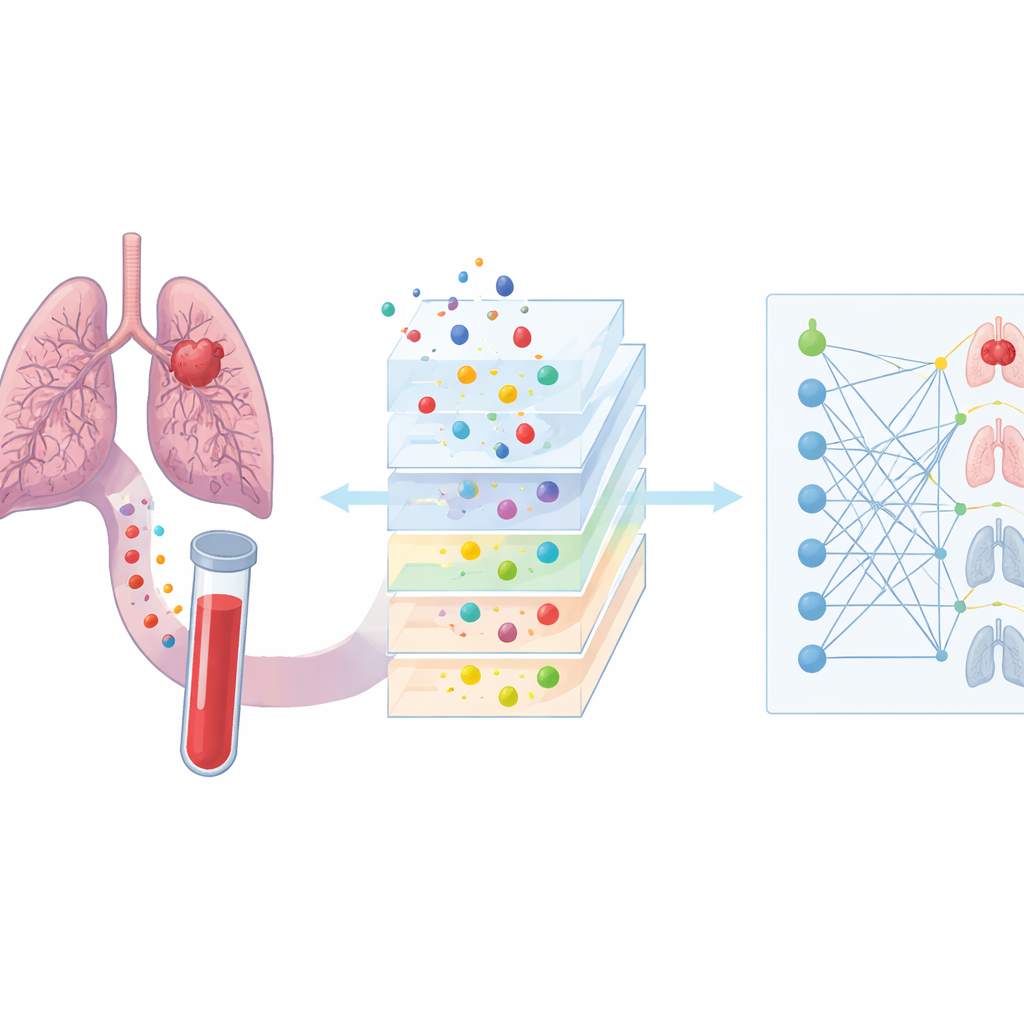
When the researchers trained their models using only traditional clinical information, prediction accuracy was modest. But when they added the tumor DNA signals and related molecular measures, performance improved noticeably, especially for the more flexible, non-linear models. The best model, a radial support vector machine, showed higher sensitivity (finding more true cancer cases), better balance between false positives and false negatives, and a larger area under the curve, a standard measure of overall accuracy. Importantly, the most influential predictors in this combined model were no longer just smoking and inflammation, but also the presence of tumor DNA mutations, the strength of the sequencing signal, and mutations in TP53.
What this could mean for patients
The study suggests that weaving tumor DNA signals from a blood draw into prediction tools can sharpen doctors’ ability to judge which COPD patients are most likely to harbor lung cancer. While this approach is not accurate enough to replace low-dose CT scans or serve as a stand-alone screening test, it could help interpret uncertain scan findings, reduce unnecessary invasive biopsies in vulnerable patients with fragile lungs, and focus closer follow-up on those at highest risk. Larger, more diverse studies and broader DNA panels will be needed, but the work points toward a future where a simple blood sample, read through advanced algorithms, helps guide safer and more personalized lung cancer evaluation in people living with COPD.
Citation: Cha, S., Shin, S.H., Shin, SH. et al. Integration of circulating tumor DNA data enhances lung cancer prediction in patients with COPD. Sci Rep 16, 11806 (2026). https://doi.org/10.1038/s41598-026-41720-y
Keywords: COPD, lung cancer, circulating tumor DNA, liquid biopsy, machine learning