Clear Sky Science · en
Association between gestational weight gain and metabolic and inflammatory biomarkers in the ETCHED cohort
Why Pregnancy Weight Gain Matters
Pregnancy is one of the few times in life when gaining weight is expected—and even encouraged. But how much weight a woman gains can powerfully shape both her own health and her baby’s, not just at birth but years down the line. This study asks a timely question: can substances circulating in a pregnant woman’s blood offer early clues about whether she will gain too much or too little weight, and about the risks that come with those extremes?
The Study and Who Took Part
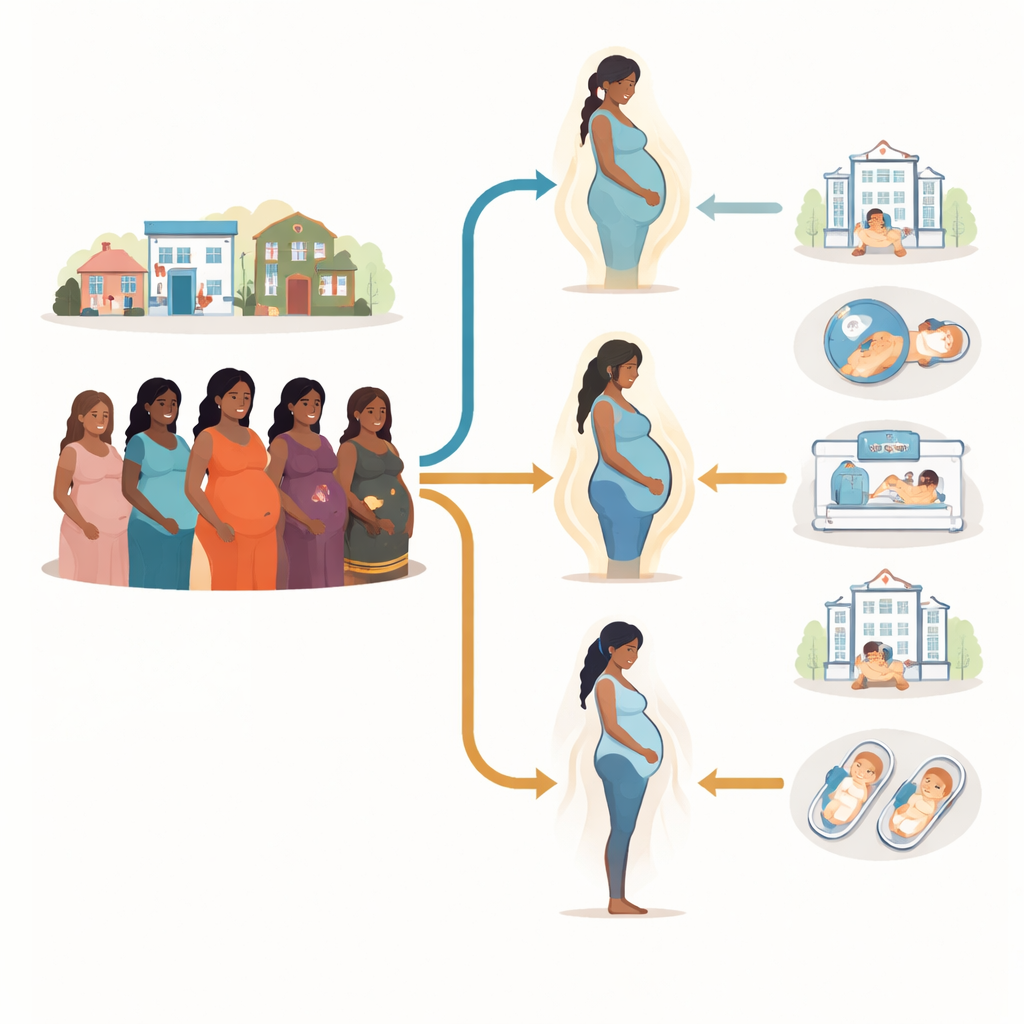
The researchers focused on 120 pregnant women enrolled in the Early Tracking of Childhood Health Determinants (ETCHED) study in Phoenix, Arizona. Most participants identified as Hispanic or American Indian/Alaska Native and came from financially stressed households, with many having limited formal education and low income. More than half entered pregnancy with obesity, and over a quarter had diabetes during pregnancy, making this a high‑risk group that is often underrepresented in medical research. The team classified each woman’s total pregnancy weight gain as inadequate, normal, or excessive, based on widely used U.S. guidelines that tailor recommended gain to a woman’s starting body mass index.
Signals in the Blood
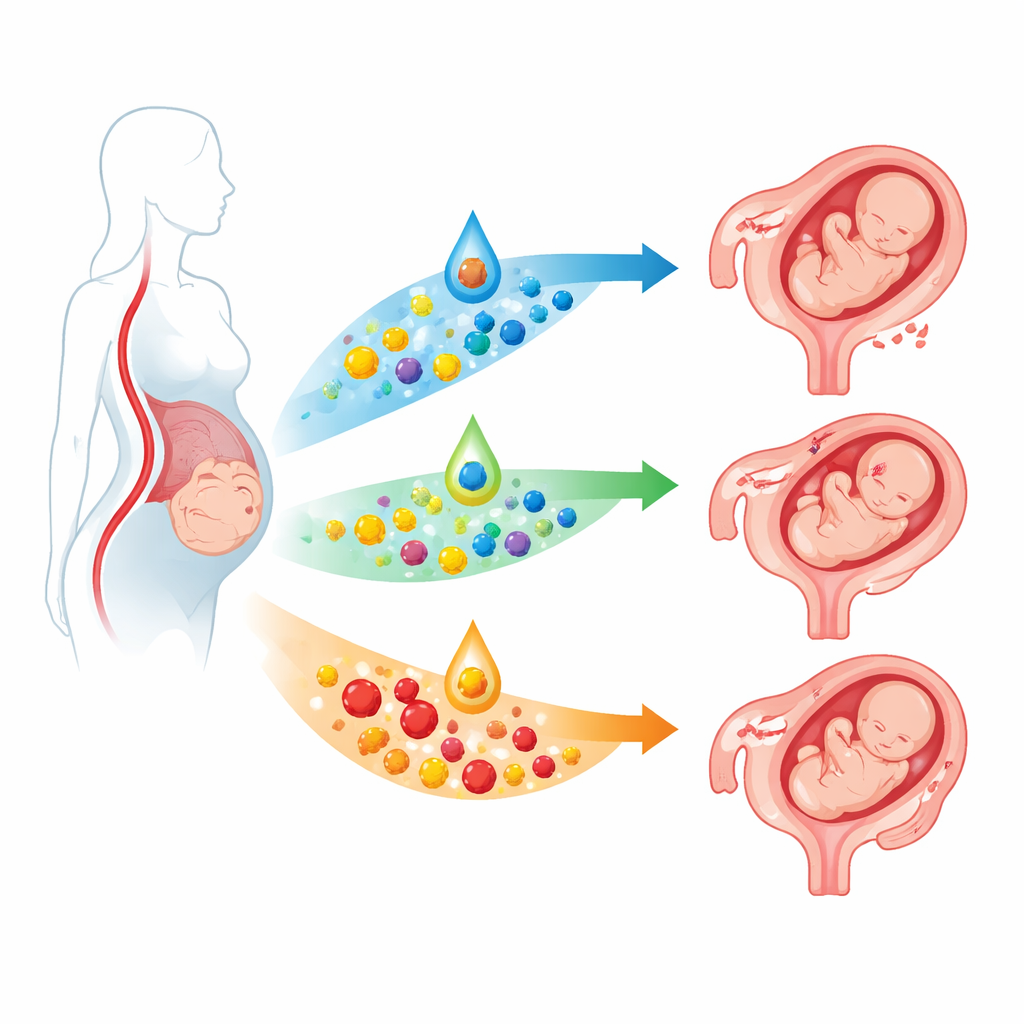
During pregnancy, the women had blood drawn after an overnight fast. From these samples, the team measured 14 different substances related to metabolism and inflammation, including hormones that come from fat tissue, markers of blood sugar control, proteins involved in the body’s defense system, and cortisol, a hormone linked to stress. They then used statistical methods to see how levels of these markers related to each woman’s pattern of weight gain, while accounting for age, stage of pregnancy at the blood draw, starting body size, and diabetes.
Too Much, Too Little, and Their Risks
Nearly half the women gained more weight than recommended, and about one quarter gained too little. Women with excessive gain were more likely to deliver by cesarean section and to give birth early, before 37 weeks of pregnancy. Surprisingly, overall birthweight of the newborns did not differ much across weight‑gain groups in this relatively small sample. On the blood‑marker side, one standout was leptin, a hormone made by fat tissue and the placenta. Higher leptin levels strongly tracked with excessive weight gain, as did higher levels of another metabolic protein called FGF21 and of insulin‑related markers. By contrast, women with higher levels of the immune messenger IL‑8 tended to be protected from gaining too much. A different pattern appeared for inadequate gain: higher cortisol levels were linked to gaining less than recommended.
How the Markers Relate to Each Other
When the team examined how the various markers moved together, they found that leptin sat at the center of a cluster tied to inflammation and blood sugar strain. Higher leptin went hand in hand with higher insulin, higher C‑peptide (another indicator of insulin production), and higher levels of inflammatory proteins such as C‑reactive protein and IL‑6. FGF21 also rose along with several of these markers and fell as levels of a protective hormone called adiponectin increased. In contrast, higher cortisol was linked to lower insulin and lower C‑reactive protein, echoing its association with inadequate rather than excessive weight gain. A prediction model that combined several markers with simple clinical information was especially accurate at distinguishing women with excessive gain from those with normal gain.
What This Means for Mothers and Babies
For a lay reader, the takeaway is that pregnancy weight gain is not just about the number on the scale. Behind the scenes, a web of hormones and immune signals reflects how a mother’s body is coping with the demands of pregnancy. In this underserved population, gaining more weight than guidelines suggest was common and linked to higher chances of cesarean delivery and preterm birth, and it went hand in hand with a blood profile marked by high leptin and related metabolic stress signals. Gaining too little, in turn, showed a different blood pattern tied to cortisol. While this study cannot prove cause and effect, it suggests that a simple blood test panel might one day help clinicians spot women at risk of unhealthy weight gain early enough to intervene, potentially improving outcomes for both mothers and their children.
Citation: RoyChoudhury, S., Caballero, R., Wasak, D. et al. Association between gestational weight gain and metabolic and inflammatory biomarkers in the ETCHED cohort. Sci Rep 16, 11066 (2026). https://doi.org/10.1038/s41598-026-41560-w
Keywords: gestational weight gain, pregnancy biomarkers, maternal obesity, preterm birth, inflammation in pregnancy