Clear Sky Science · en
Satisfaction with life in relation to sleep health among a nationally representative sample of U.S. adults
Why this study matters for everyday life
Many people sense that good sleep and a positive outlook go hand in hand, but large national data tying the two together have been limited. This study looks at adults across the United States to ask a simple question with big everyday implications: are people who feel satisfied with their lives also more likely to sleep well, and does this hold true across different ages, sexes, and racial and ethnic backgrounds?
Taking a national snapshot of mood and sleep
Researchers analyzed data from more than 25,000 adults who took part in the 2022 National Health Interview Survey, a long running federal health survey. Participants rated how satisfied they were with their lives, choosing from very satisfied, satisfied, dissatisfied, or very dissatisfied. For this study, the team grouped answers into satisfied versus dissatisfied. People also reported how many hours they usually sleep in a day, how often they had trouble falling or staying asleep, and how often they woke up feeling rested in the past month. The scientists then used statistical models that account for the survey’s complex design and key factors like age, education, work status, health habits, and depression to see how life satisfaction lined up with different aspects of sleep.
How feeling about life links to time in bed
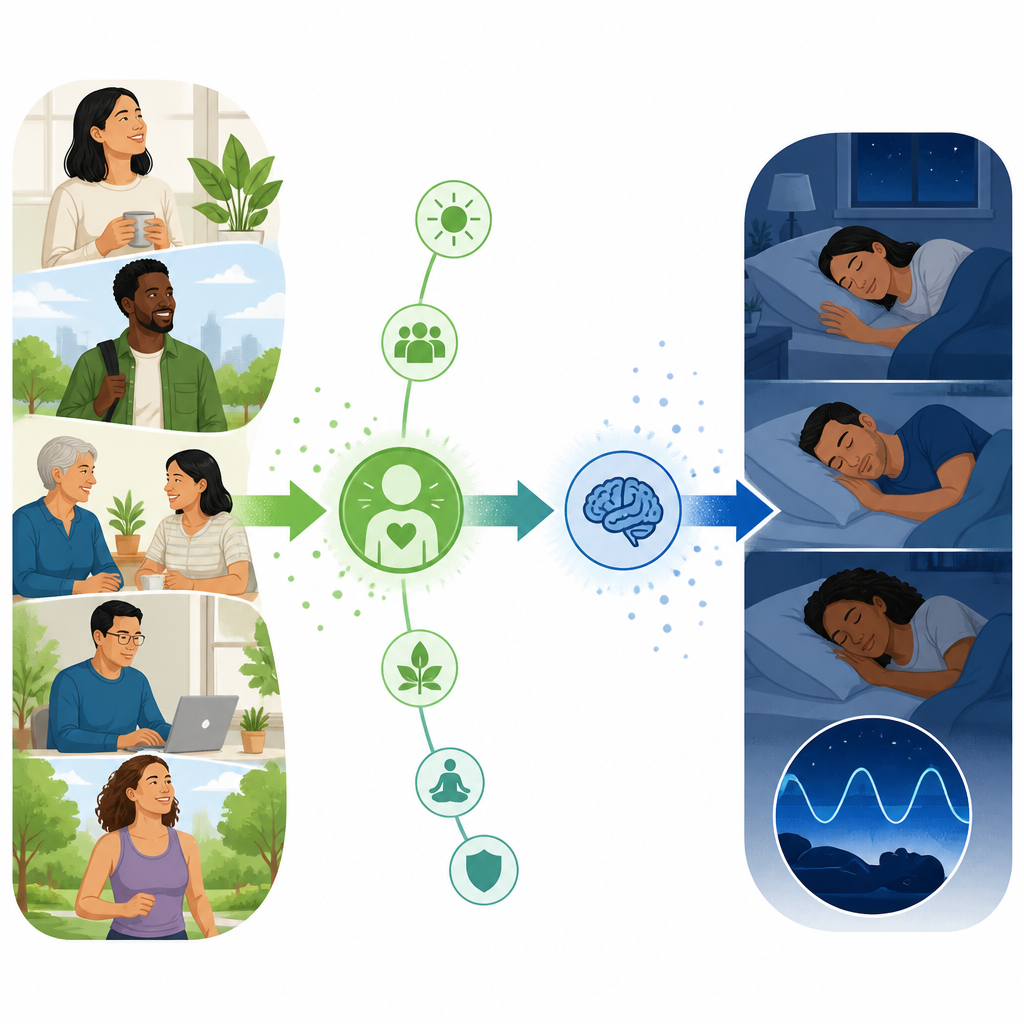
Most adults in the survey, about 96 percent, said they were satisfied with life. This high level of satisfaction looked similar for men and women and across young, middle aged, and older adults. When the researchers compared sleep between satisfied and dissatisfied people, clear patterns emerged. Adults who were satisfied with life were more likely to meet the usual advice of at least seven hours of sleep per night, less likely to report frequent insomnia type problems, and more likely to say they woke up feeling rested most days. These differences remained even after taking into account health behaviors, body weight, and depression, suggesting that life satisfaction itself relates to better sleep health.
Patterns across age, sex, and communities
The team then asked whether these links were stronger or weaker in different groups. Overall, the connection between life satisfaction and sleep looked broadly similar for men and women and across racial and ethnic groups. There were hints that the tie between life satisfaction and waking up feeling rested was somewhat stronger in younger adults than in older ones, but the general direction was the same at all ages. At the same time, long standing differences in sleep across communities were still visible. For example, even when they were satisfied with life, some groups, such as non Hispanic Black adults, were less likely than non Hispanic White adults to report getting the recommended amount of sleep or to feel restored on waking. When members of these groups were dissatisfied with life, gaps in healthy sleep were even wider.
What the findings suggest about stress and support
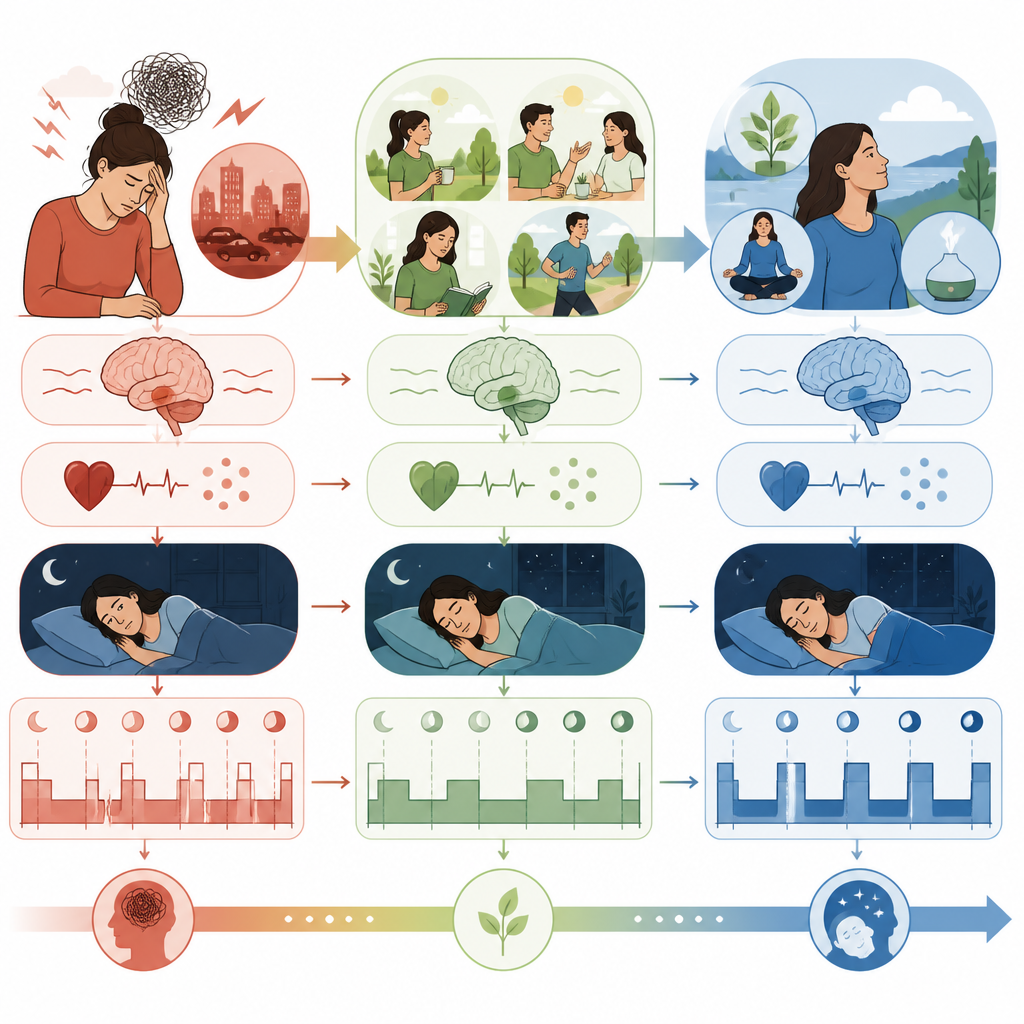
The study cannot prove whether better sleep leads to a more satisfying life or whether feeling good about life improves sleep, and the authors note that the influence likely runs in both directions. Earlier work has suggested several pathways that may help explain the link, including lower stress, healthier daily routines, and better control of emotions among people who are happier with their lives. At the same time, life satisfaction did not erase the impact of broader social and economic conditions that shape sleep, such as income, housing, and neighborhood environments. This suggests that both personal well being and structural supports matter for healthy sleep.
What this means for the average person
For a general reader, the take home message is that people who feel content with their lives are more likely to sleep enough, have fewer nights of tossing and turning, and wake up feeling refreshed, no matter their age, sex, or racial and ethnic background. Because the data were collected at a single point in time and relied on self reports, more long term studies with objective sleep measures are needed to show which comes first and why. Still, the findings support the idea that efforts to foster life satisfaction, such as strengthening social ties, improving financial security, and expanding access to mental health care, may also support better sleep across the population.
Citation: Ogbenna, B.T., Gaston, S.A., Zhou, W. et al. Satisfaction with life in relation to sleep health among a nationally representative sample of U.S. adults. Sci Rep 16, 15189 (2026). https://doi.org/10.1038/s41598-026-41318-4
Keywords: life satisfaction, sleep health, insomnia, restorative sleep, wellbeing