Clear Sky Science · en
The association between parenting difficulties in children with autism and parental anxiety and the moderating role of parenting stress
Why this topic matters for families
Raising a child on the autism spectrum can be deeply rewarding, but it also brings unique daily challenges that can weigh heavily on parents’ mental health. This study looks closely at how those day‑to‑day difficulties are linked to anxiety in parents, and how a parent’s own sense of stress can make that link stronger or weaker. Understanding this pattern can help families, clinicians, and policymakers design support that protects caregivers’ well‑being as they care for their children.
Everyday challenges behind the numbers
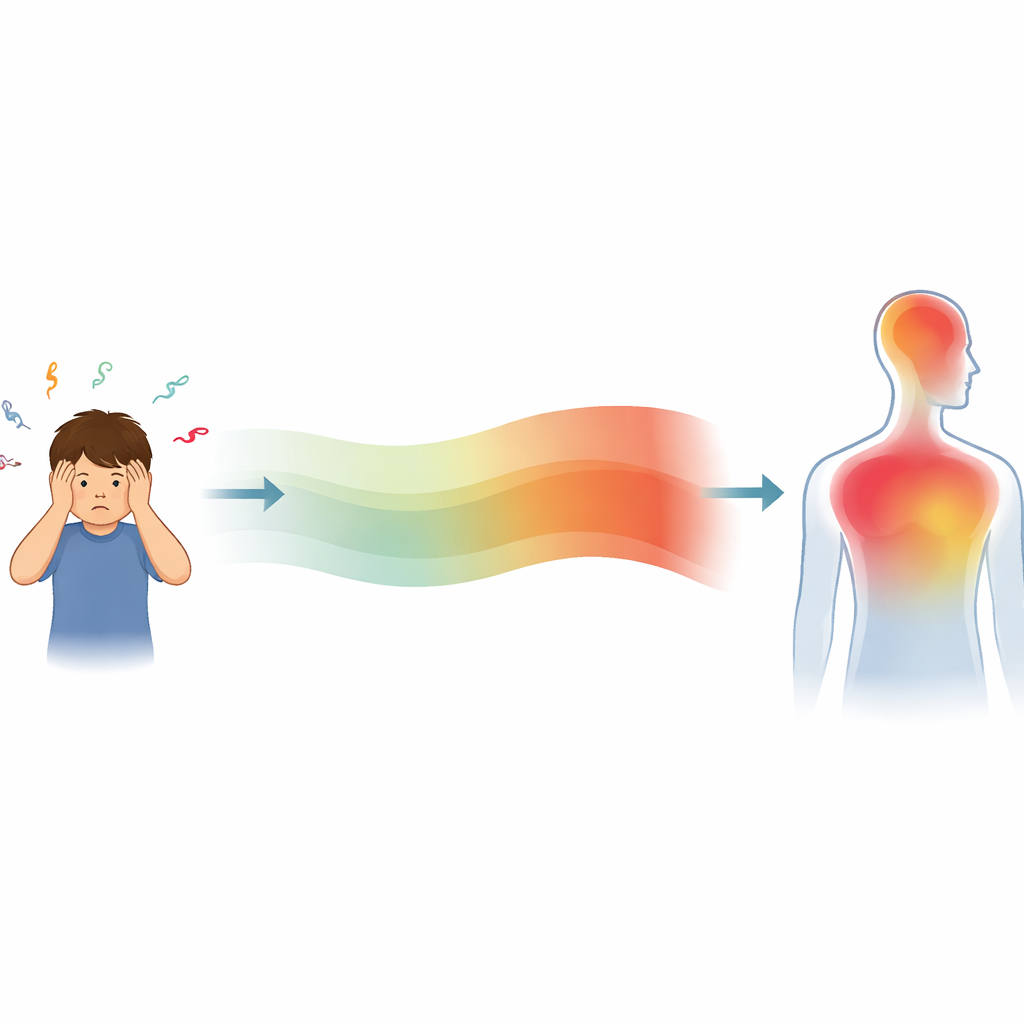
Children with autism often struggle with social interaction, communication, and managing their emotions and behavior. Many also have other conditions, such as learning or attention problems, that complicate daily life. For parents, this can mean constant worry about their child’s safety, schooling, future independence, and the family’s finances. Earlier research has shown that parents of autistic children report higher levels of anxiety and depression than other parents, but the reasons behind this are complex and not fully understood. This study focuses on one piece of the puzzle: how hard it feels to manage a child’s behavior and emotions, and how that experience feeds into parental anxiety.
How the study was carried out
The researchers surveyed 207 primary caregivers of school‑age children with autism in Nantong City, China. All children had a confirmed diagnosis, and families were recruited from 13 rehabilitation centers. Parents filled out three standard questionnaires. One measured the child’s emotional and behavior problems, treated here as “parenting difficulties.” Another assessed how anxious the parent felt in the past week. The third measured “parenting stress” — how overwhelmed, trapped, or unsupported parents felt in their parenting role. Using statistical models, the team tested not only whether parenting difficulties were linked to parental anxiety, but also whether this link changed depending on how stressed parents felt.
What the researchers found
On average, parents reported moderate levels of both parenting difficulties and parenting stress, but their anxiety levels were in the upper‑middle range. Parents who perceived more difficulties with their child’s behavior and emotions were also more anxious. For every step up in parenting difficulties, parental anxiety rose noticeably, confirming a strong, direct connection between the two. Parenting stress itself was also related to both higher parenting difficulties and higher anxiety, suggesting that these three experiences form a tightly connected cluster in family life.
Stress as an amplifier, not just an outcome
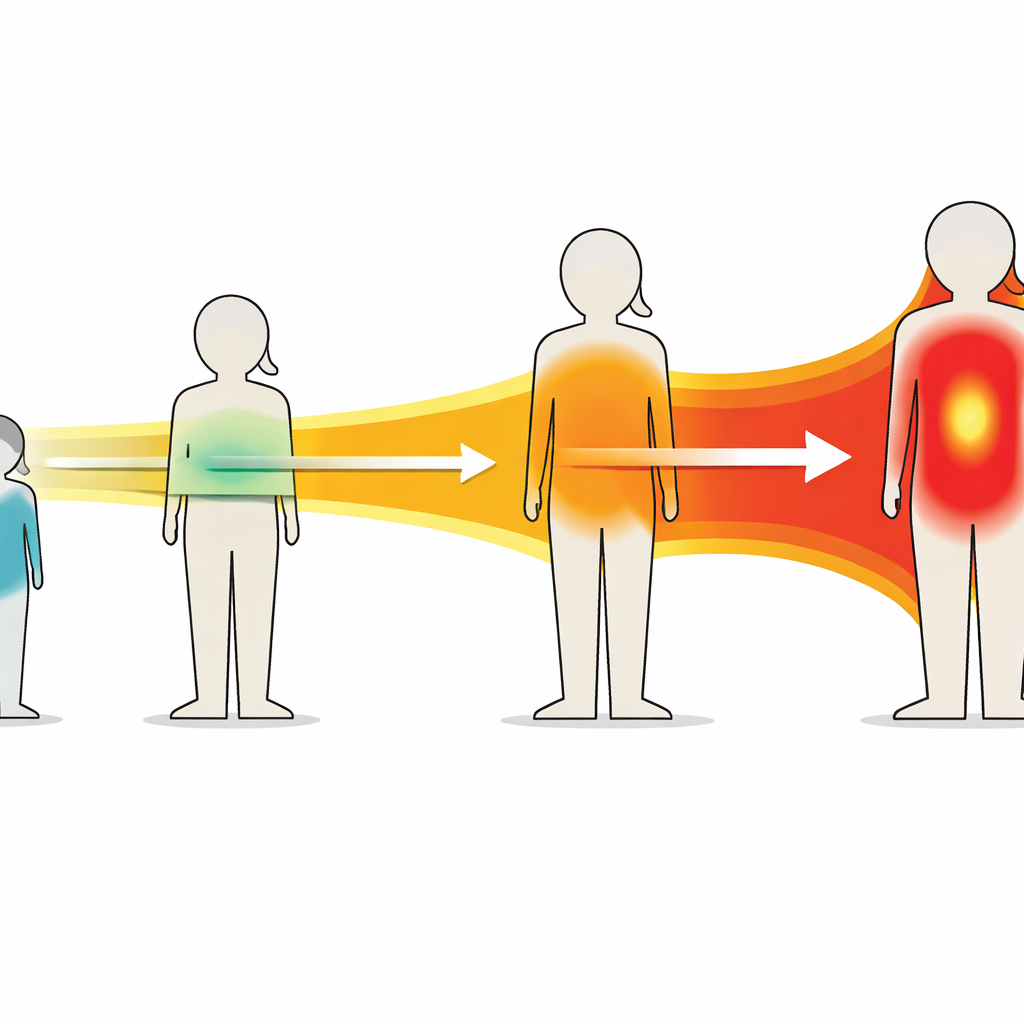
The most striking result was how parenting stress changed the picture. The team found that parenting stress acted as an amplifier between parenting difficulties and anxiety. When parents felt relatively less stressed in their role, the link between child‑related challenges and their own anxiety was present but milder. When parents felt highly stressed, the same level of child difficulty was tied to much higher anxiety. A closer look at different kinds of stress showed that “parental distress” — feelings of role conflict, emotional exhaustion, and lack of support — was the key driver. Stress related to the child’s behavior itself, or to awkward parent‑child interactions, did not show the same strengthening effect.
What this means for help and support
These findings suggest that the emotional burden on parents of autistic children is not only about the child’s symptoms. It is also about how alone, overwhelmed, or unsupported parents feel as they cope with those symptoms. When that internal strain is high, everyday parenting problems translate more directly into anxiety. Because this study is cross‑sectional, it cannot prove cause and effect, and it reflects experiences in one city in China. Even so, it highlights a clear message for families and professionals: easing parents’ role‑related stress — by strengthening social support, sharing caregiving, and offering accessible mental health services — may blunt the impact of inevitable parenting difficulties and help safeguard parents’ well‑being.
Citation: Xu, Z., Ni, Y., Chu, M. et al. The association between parenting difficulties in children with autism and parental anxiety and the moderating role of parenting stress. Sci Rep 16, 9860 (2026). https://doi.org/10.1038/s41598-026-40865-0
Keywords: autism and families, parenting stress, parental anxiety, caregiver mental health, child behavior challenges