Clear Sky Science · en
Tolerance of outbreak-associated Candida parapsilosis isolates to antiseptics in a dry surface biofilm model
Why hidden germs on dry surfaces matter
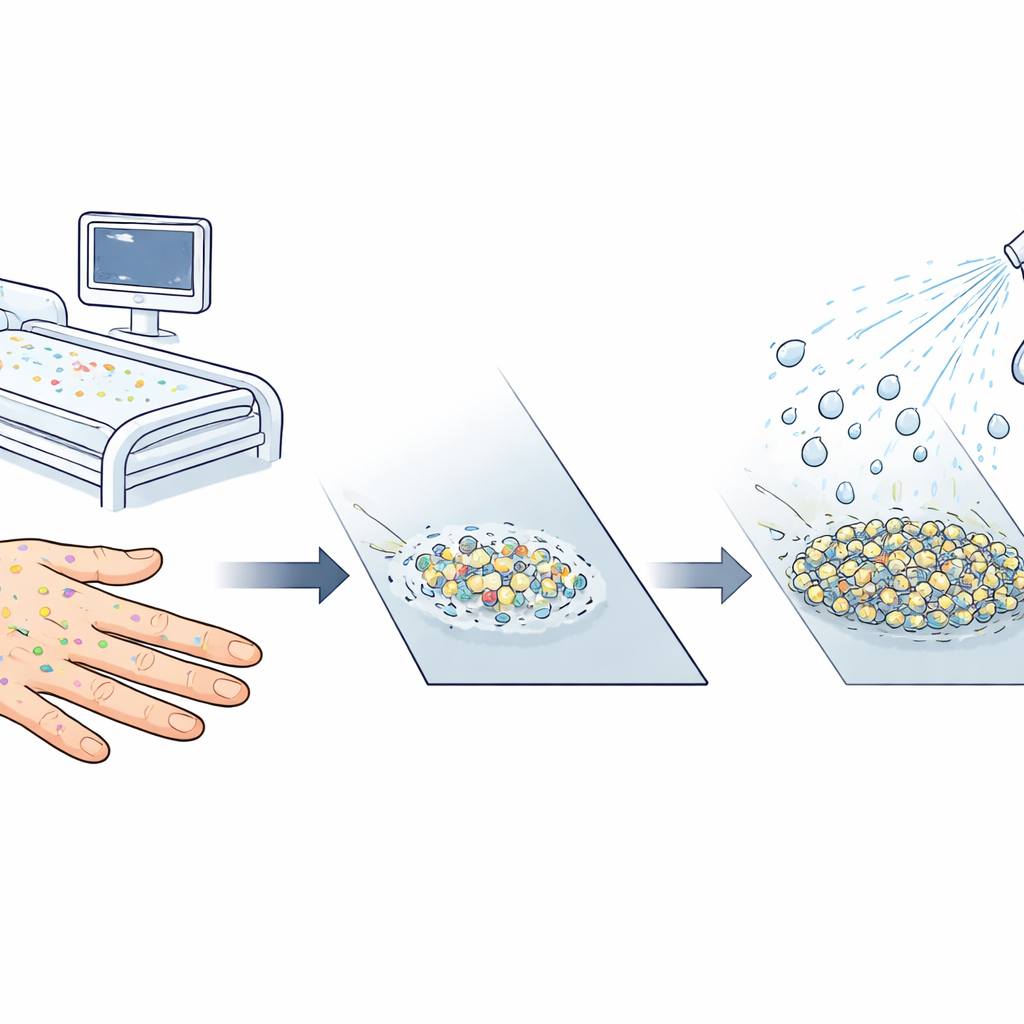
Hospital rooms may look spotless, but dangerous microbes can quietly linger on seemingly clean beds, monitors, and even staff hands. This study focuses on Candida parapsilosis, a yeast that has become an important cause of hospital bloodstream infections, especially in very sick or cancer patients. The researchers asked a simple but crucial question: how well do common hospital antiseptics really work against this germ when it forms tough, almost invisible films on dry surfaces?
Germs that thrive on skin and plastic
Candida parapsilosis is especially good at clinging to human skin and to plastic and glass surfaces. During a real outbreak in a Brazilian cancer intensive care unit, it was found on the hands of healthcare workers. Unlike many studies that look at microbes in wet, slimy layers, this work examined “dry surface biofilms” – thin, low-moisture films that can survive on bed rails, monitors, or catheters between cleanings. These dry films are difficult to see but can act as reservoirs that keep feeding infections in vulnerable patients.
Building a dry hospital surface in the lab
To mimic real hospital conditions, the team grew the outbreak yeast strains on small glass discs over 12 days, cycling between moist and dry phases. This produced mature, dry biofilms similar to those found on equipment and high-touch areas. They then exposed these films for three minutes to seven widely used antiseptics: ethanol 70%, three versions of chlorhexidine (including an alcohol-based skin rub and two water-based solutions), hydrogen peroxide, povidone-iodine, and isopropyl alcohol. After treatment, they measured how many living cells remained to see which products could truly wipe out the yeast.
Some antiseptics succeed, others barely dent the film
The results were striking. Only two products—70% ethanol and 0.5% chlorhexidine in alcohol—consistently killed most of the yeast, reaching the level considered necessary for reliable disinfection. Hydrogen peroxide and a stronger water-based chlorhexidine solution performed only moderately well. In contrast, povidone-iodine, isopropyl alcohol, and a weaker chlorhexidine mouth rinse made little impact on the dry films, often barely reducing the number of surviving cells. When the researchers compared these findings with earlier tests on wet biofilms, they saw that several antiseptics, especially povidone-iodine, lost much of their power once the films were dry.
Not all strains are equally easy to kill
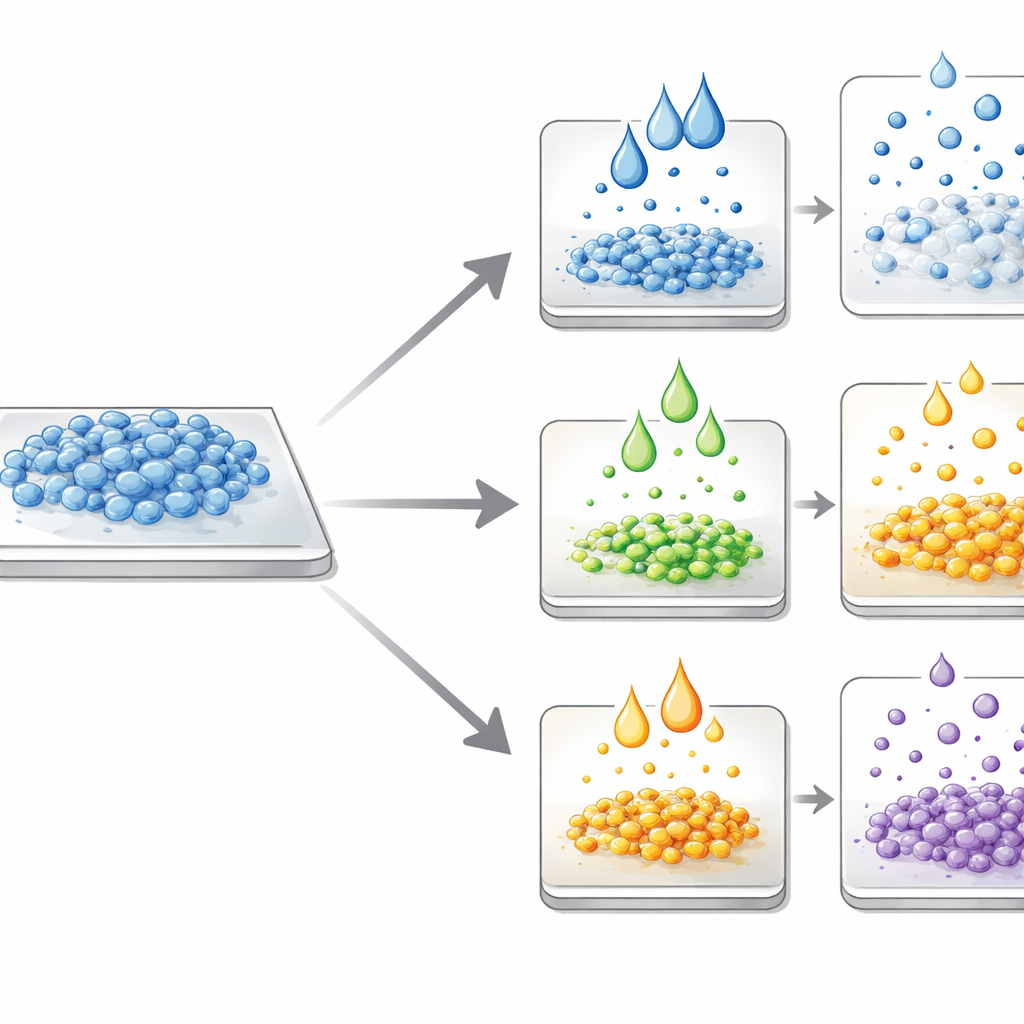
Even among yeast strains from the same outbreak, there was marked variability in how well they survived antiseptic treatment. By grouping the strains based on their responses, the team identified four distinct “personality types,” ranging from highly sensitive to clearly tolerant. Importantly, these differences were not explained by how big or thick each biofilm was. Instead, they likely reflect deeper traits, such as how the cells build their protective matrix, handle stress, or shift their metabolism when faced with dryness and chemicals. This means a hospital may unknowingly harbor subpopulations that are particularly hard to remove, even when staff follow cleaning rules.
What this means for hospital cleaning
For non-specialists, the main message is that a visually clean surface is not necessarily a safe one, especially in high-risk units. Thin, dry layers of Candida parapsilosis can survive routine disinfection, depending on which product is used and which strain is present. The study shows that only certain alcohol-based formulations reliably knock out these hardy films, and that standard testing with lab strains in wet conditions can underestimate the challenge posed by real-world dry biofilms. Updating cleaning protocols to focus on the most effective agents and to account for this hidden diversity could help reduce persistent hospital outbreaks and better protect vulnerable patients.
Citation: Pereira, G.L., Belizario, J.A., Ambrósio, S.R. et al. Tolerance of outbreak-associated Candida parapsilosis isolates to antiseptics in a dry surface biofilm model. Sci Rep 16, 12404 (2026). https://doi.org/10.1038/s41598-026-40814-x
Keywords: Candida parapsilosis, hospital infections, dry surface biofilms, antiseptic resistance, surface disinfection