Clear Sky Science · en
Epidemiology of refractive errors and its associated factors among medical students
Why eye focus problems matter for future doctors
Good eyesight is central to learning, working, and enjoying daily life. For medical students, who will soon be caring for other people’s health, clear vision is especially important. This study looked at how common eye focusing problems are among medical students in Ethiopia and what habits or past eye issues might raise their risk. By understanding which factors are linked with these vision problems, universities and health systems can better protect students’ sight and, in turn, their academic success and future careers.
What the researchers set out to learn
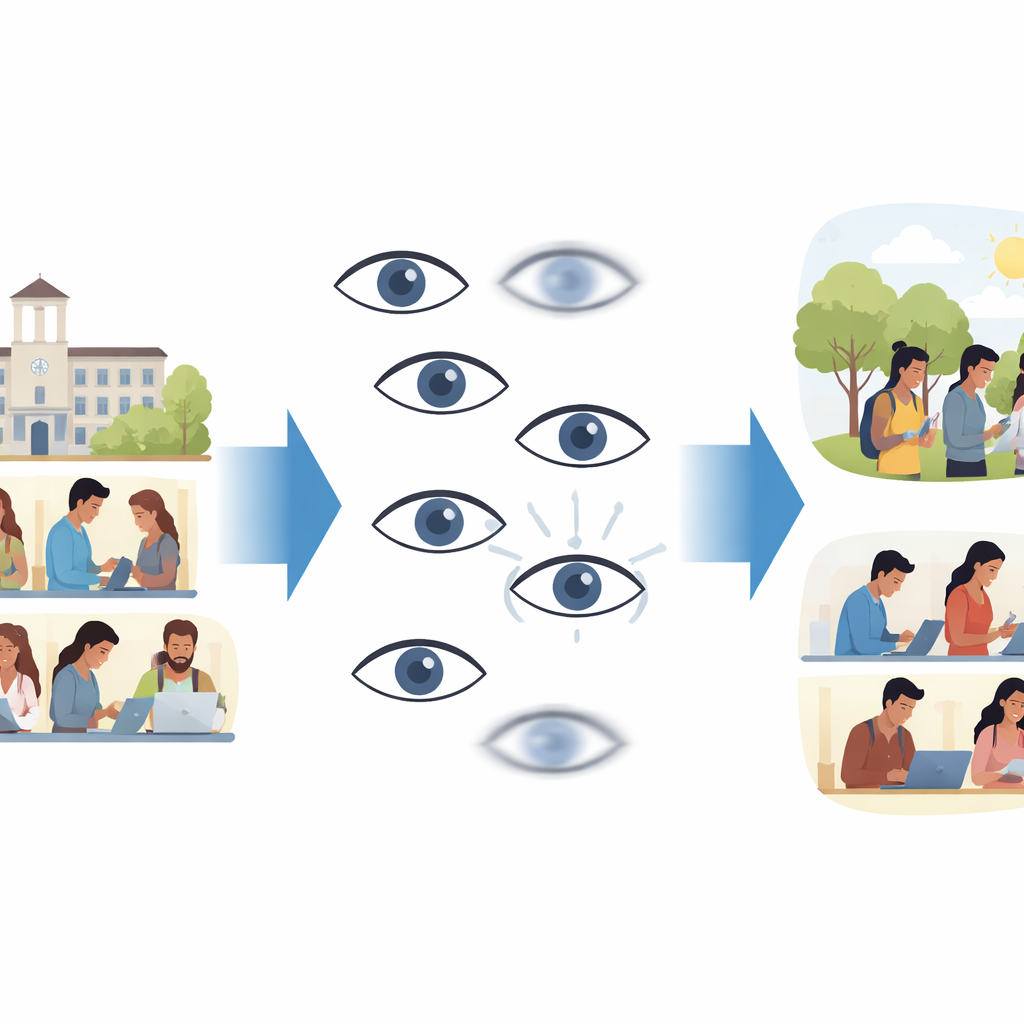
The research team focused on “refractive errors,” the umbrella term for common focusing problems like nearsightedness, farsightedness, and astigmatism. These conditions blur vision when light does not land properly on the back of the eye, but they are usually easy to correct with glasses. Around the world, uncorrected focusing problems are a leading cause of poor vision and even blindness, yet little was known about how often they affect Ethiopian medical students. To fill this gap, the researchers studied undergraduates at Hawassa University’s College of Medicine and Health Sciences during the 2023 academic year.
How the study was carried out
The team used a cross-sectional design, meaning they took a snapshot of students’ eye health at one point in time. From all enrolled medical students, 422 were randomly selected, and 417 ultimately took part. Each student completed a detailed questionnaire about age, living background, study habits, screen use, outdoor time, rest breaks during near work, previous eye operations, and any eye injuries. Afterward, trained eye care professionals carried out full eye checks, including standard vision charts and careful measurements to determine whether each student had a focusing problem and which type it was.
How common the problem was
The study found that about one in ten medical students (10.3 percent) had a refractive error. Among those affected, roughly two out of five were nearsighted, about one in three had astigmatism, and the rest were farsighted. Many students also reported frequent use of digital devices for more than four hours a day and long stretches of close work. Nearly half took part in outdoor activities such as sports, but the other half did not. A substantial share had family members who wore glasses for distance vision, and a small but important number had undergone eye surgery or experienced eye injuries in the past.
Habits and histories linked to poor focus
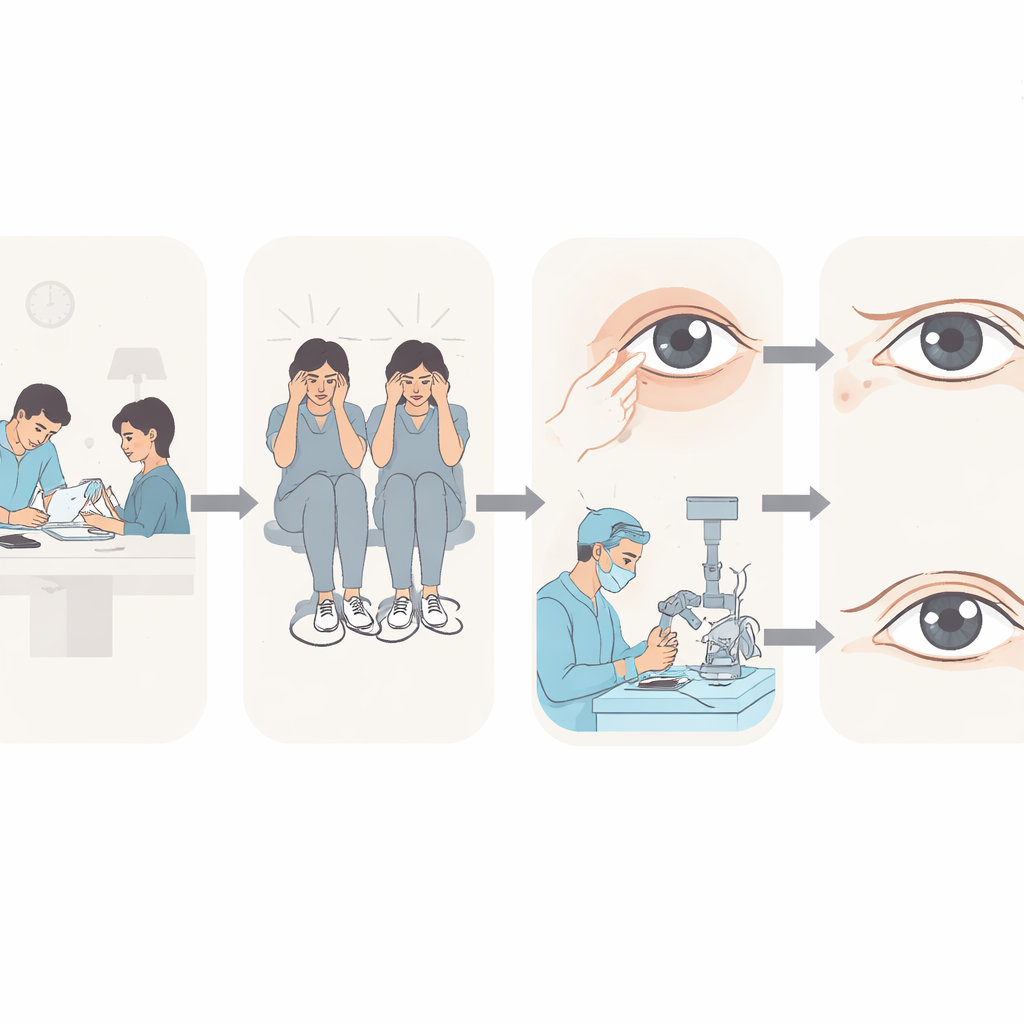
When the researchers compared students with and without focusing problems, several clear patterns emerged. Students who skipped “active rest” breaks—pausing for at least a few minutes after every half hour of close work—were more than twice as likely to have a refractive error. Those who did not regularly spend time outdoors also had about double the odds of a focusing problem. Past eye damage played an even stronger role: students who had undergone eye surgery were roughly four times more likely to have a refractive error, and those who had suffered eye trauma had about seven times the odds. In contrast, factors like age, year of study, and daily screen time were not strongly tied to refractive errors once other influences were taken into account.
What this means for students and schools
For every ten medical students in this setting, one already has a correctable focusing problem—an important burden in a group that depends heavily on sharp vision. The findings suggest that simple, modifiable behaviors matter: taking regular short breaks from close work and making time for outdoor activities may help protect students’ eyesight. Meanwhile, those with a history of eye surgery or injury appear to need especially careful follow-up. The authors argue that medical schools should promote regular eye checkups, encourage healthier study routines, and build eye-friendly habits into student life so that future doctors can see clearly as they learn to care for others.
Citation: Edin, A., Mohammed, S., Abreha, A. et al. Epidemiology of refractive errors and its associated factors among medical students. Sci Rep 16, 10266 (2026). https://doi.org/10.1038/s41598-026-40321-z
Keywords: refractive error, medical students, eye health, outdoor activity, vision screening