Clear Sky Science · en
Targeting AT1 receptors with telmisartan protects SH-SY5Y cells from 6-OHDA induced Parkinsonian neurotoxicity
Why This Matters for Brain Health
Parkinson’s disease is best known for its tremors and movement problems, but deep inside the brain, the disorder is driven by stressed and dying nerve cells. This study explores whether a common blood-pressure drug, telmisartan, can shield brain-like cells from Parkinson’s‑related damage in the lab. If similar protection occurs in people, medicines already on pharmacy shelves might one day help slow, not just mask, this devastating disease.
A Closer Look at Parkinson’s Trouble
Parkinson’s disease affects millions worldwide and is marked by the loss of dopamine-producing nerve cells and the buildup of a sticky protein called alpha‑synuclein. Current treatments, such as L‑DOPA, improve symptoms but do not stop these cells from dying, and long‑term use can lead to side effects like involuntary movements. Scientists know that chronic inflammation, excess reactive molecules often called “oxidative stress,” and protein clumping all contribute to the slow degeneration of brain cells, but turning this complex web into effective protection has been difficult.
An Unlikely Ally from Blood-Pressure Medicine
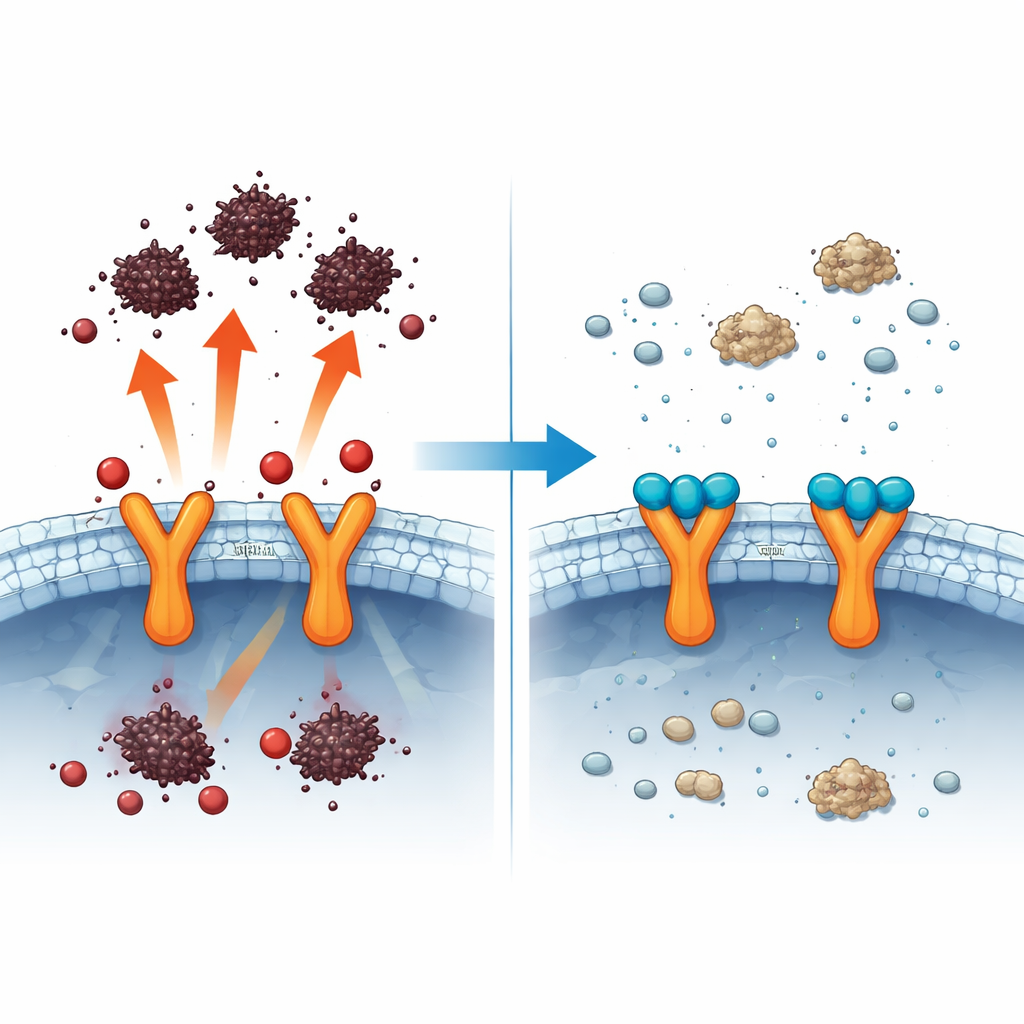
Beyond its role in controlling blood pressure, the body’s renin–angiotensin system also operates inside the brain, where it can shape blood flow, inflammation, and cell survival. One of its key switches, the AT1 receptor, can drive inflammatory and oxidative damage when overactivated, encouraging the death of dopamine‑producing neurons and the buildup of alpha‑synuclein. Telmisartan, a drug that blocks this receptor, has already shown protective effects in animal models of Parkinson’s‑like damage. The authors set out to test whether telmisartan could similarly protect human‑derived nerve‑like cells in a tightly controlled dish experiment.
Putting Brain Cells Under Stress in the Lab
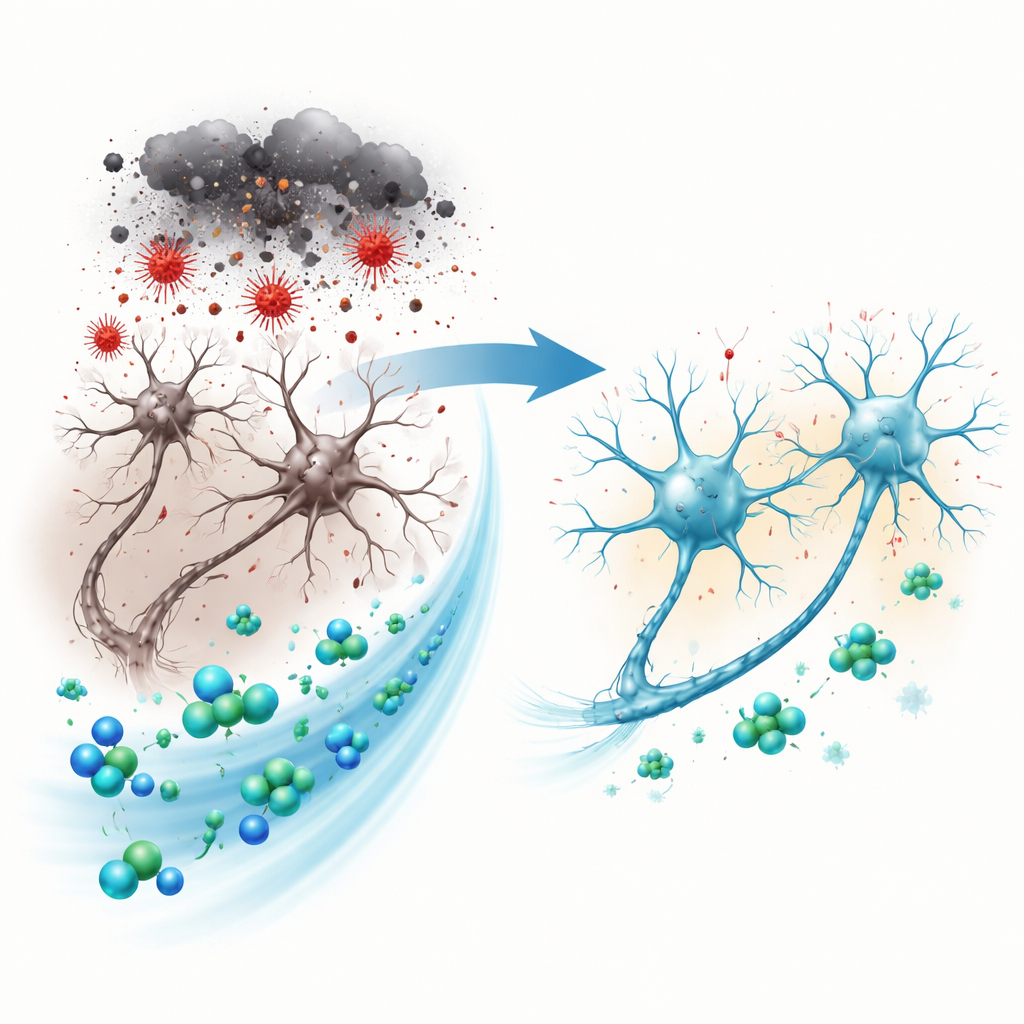
The team used SH‑SY5Y cells, a widely used human cell line that behaves in many ways like immature neurons. To mimic Parkinson’s‑related injury, they exposed these cells to 6‑hydroxydopamine (6‑OHDA), a toxin that resembles dopamine and selectively harms dopamine‑like cells by triggering oxidative stress, mitochondrial malfunction, and programmed cell death. Before adding the toxin, they treated cells with different doses of telmisartan. They then measured how many cells survived, how leaky and damaged they became, and how strongly various stress and inflammation markers were turned on.
How Telmisartan Calmed the Cellular Storm
When exposed to 6‑OHDA alone, the cells showed a sharp drop in survival and a surge in a damage‑linked enzyme, signs that many were dying or severely injured. Levels of malondialdehyde, a by‑product of fat damage, shot up, while the cells’ own antioxidant defenses—molecules and enzymes that neutralize harmful reactive species—were greatly reduced. At the same time, genes linked to inflammation and cell death, including several major inflammatory messengers and the executioner protein caspase‑3, were strongly activated. In contrast, cells pre‑treated with telmisartan fared much better: more cells survived, leakage decreased, oxidative damage markers fell, and antioxidant systems rebounded.
Dialing Down Inflammation and Protein Buildup
Telmisartan also reshaped the cells’ inflammatory balance. The toxin boosted pro‑inflammatory molecules such as TNF‑alpha, IL‑6, NF‑kappaB, and IL‑1 beta, which are often elevated in people with Parkinson’s and are thought to accelerate nerve cell loss. Telmisartan lowered these harmful signals while increasing IL‑10, a molecule known for its calming, protective role in the immune system. Under the microscope, cells exposed to 6‑OHDA accumulated bright clusters of alpha‑synuclein and IL‑1 beta, mirroring the protein clumps and inflammatory activity seen in Parkinson’s brains. With telmisartan treatment, these fluorescent signals were markedly reduced, suggesting less protein aggregation and a quieter inflammatory environment.
What This Could Mean for Future Treatments
In simple terms, telmisartan acted like a shield for vulnerable brain‑like cells in a lab version of Parkinson’s damage, helping them withstand toxic stress, dampening runaway inflammation, and limiting the buildup of troublesome proteins. While these results come from cell cultures—not people—and cannot capture the full complexity of a living brain, they add to growing evidence that blocking AT1 receptors may offer a multitarget way to protect dopamine‑producing neurons. With further testing in animals and, eventually, in patients, drugs like telmisartan could become part of future strategies aimed not just at easing Parkinson’s symptoms, but at slowing the disease process itself.
Citation: Gundogdu, O.L., Burul, F., Akyol, E.T. et al. Targeting AT1 receptors with telmisartan protects SH-SY5Y cells from 6-OHDA induced Parkinsonian neurotoxicity. Sci Rep 16, 12298 (2026). https://doi.org/10.1038/s41598-026-40095-4
Keywords: Parkinson’s disease, telmisartan, neuroprotection, oxidative stress, angiotensin AT1 receptor