Clear Sky Science · en
Postoperative acute kidney injury in surgical intensive care units: a multicenter study on incidence and risk profiles
Why the Kidneys Matter After Surgery
Major surgery can be lifesaving, but it also puts intense stress on the body. One of the organs most at risk is the kidney, which quietly filters the blood day and night. When the kidneys suddenly stop working well after an operation—a problem called acute kidney injury—patients stay in the hospital longer, face more complications, and are more likely to die. This study looked closely at how often this happens and which patients in surgical intensive care units are most likely to be affected, using data from several large hospitals in Ethiopia.
Who Was Studied and Where
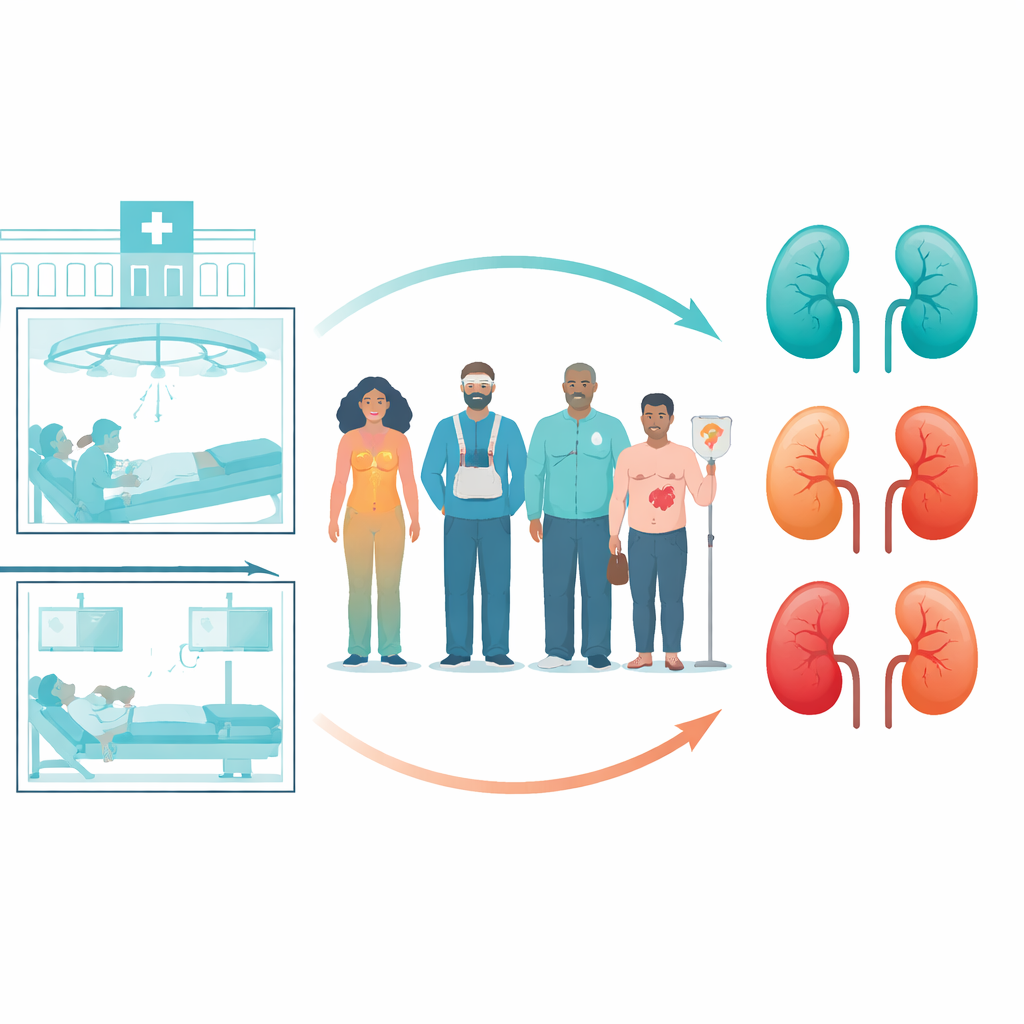
The researchers reviewed the records of 407 adults who were admitted to surgical intensive care units in three major hospitals in Ethiopia’s Amhara region between 2021 and 2024. These hospitals care for very sick patients after complex operations such as brain, chest, abdominal, bone, and urologic surgery. Most patients were in their late fifties on average, a little over half were men, and many came from rural areas and worked as farmers. All had gone through major surgery and were sick enough to need close monitoring, breathing machines, or strong drugs to support their blood pressure.
How Kidney Trouble Was Detected
To find out who developed acute kidney injury, the team examined routine blood tests and urine measurements recorded before and after surgery. They used widely accepted medical rules that flag kidney injury when blood waste levels rise quickly or urine output falls sharply over hours to days. Because the study was retrospective, no extra procedures were done: the researchers simply used information already present in the hospital charts, such as blood counts, blood loss during surgery, length of time under anesthesia, and the medicines patients received before, during, and after their operations.
How Common the Problem Was
The results were striking: just over half of the patients—53.4 percent—developed acute kidney injury after surgery in the intensive care unit. This rate is in line with, and in some cases higher than, figures reported from large studies in Asia, South America, and high‑income countries. It confirms that kidney complications after surgery are not rare events but everyday realities in intensive care. Patients often had other serious issues at the same time, including anemia, severe infections, shock, breathing failure, or brain injury, which together create a perfect storm for organ stress.
Which Patients Were at Highest Risk
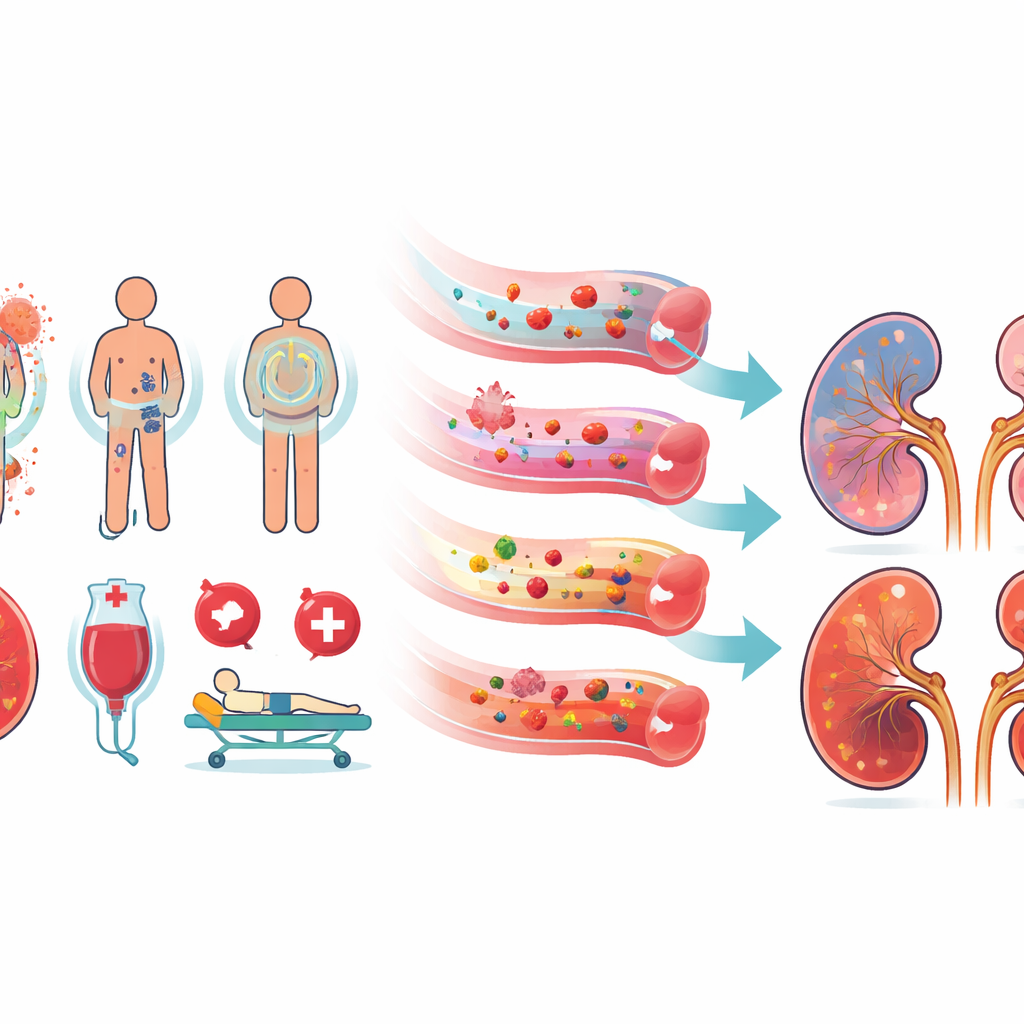
Not every patient was equally likely to run into kidney trouble. When the researchers compared those who did and did not develop acute kidney injury, several patterns emerged. Patients with a serious infection in the bloodstream or body tissues (sepsis) were far more likely to suffer kidney damage. Those injured in accidents or violent events (trauma), those who already had long‑standing kidney problems, and those living with diabetes were also at clearly higher risk. Receiving blood transfusions and undergoing unplanned emergency operations, often for life‑threatening conditions, further increased the chances that the kidneys would falter.
What These Findings Mean for Care
The study suggests that careful attention to kidney health should be routine in surgical intensive care units, especially in resource‑limited settings. Patients arriving with infections, traumatic injuries, long‑standing kidney disease, or diabetes—and those needing emergency surgery or blood transfusions—should be treated as high‑risk from the start. That means close tracking of blood pressure, urine output, and blood test results; cautious use of drugs that can strain the kidneys; timely treatment of sepsis; and thoughtful decisions about when and how much blood to transfuse. Although this study could not follow long‑term outcomes, its message is clear for everyday practice: by spotting danger early and tailoring care to vulnerable patients, clinicians may be able to prevent many cases of postoperative kidney injury and improve the odds of recovery after major surgery.
Citation: Wubet, H.B., Asmare, T.B., Deress, G.M. et al. Postoperative acute kidney injury in surgical intensive care units: a multicenter study on incidence and risk profiles. Sci Rep 16, 9511 (2026). https://doi.org/10.1038/s41598-026-39368-9
Keywords: acute kidney injury, postoperative complications, surgical intensive care, sepsis and trauma, Ethiopia hospitals