Clear Sky Science · en
Encephalopathy in mechanically ventilated adult patients in the intensive care unit: the role of β-Lactam overdosing
When Strong Medicines Cloud the Mind
Patients in intensive care units often need powerful antibiotics and deep sedation to survive severe infections and respiratory failure. Families and clinicians, however, are frequently confronted with a worrying scene when the sedative drips are turned off: instead of waking up, many patients remain in a coma or become confused and agitated. This study asks a pressing question with direct implications for safety at the bedside: are unusually high levels of common hospital antibiotics, called beta-lactams, a major cause of these brain complications?
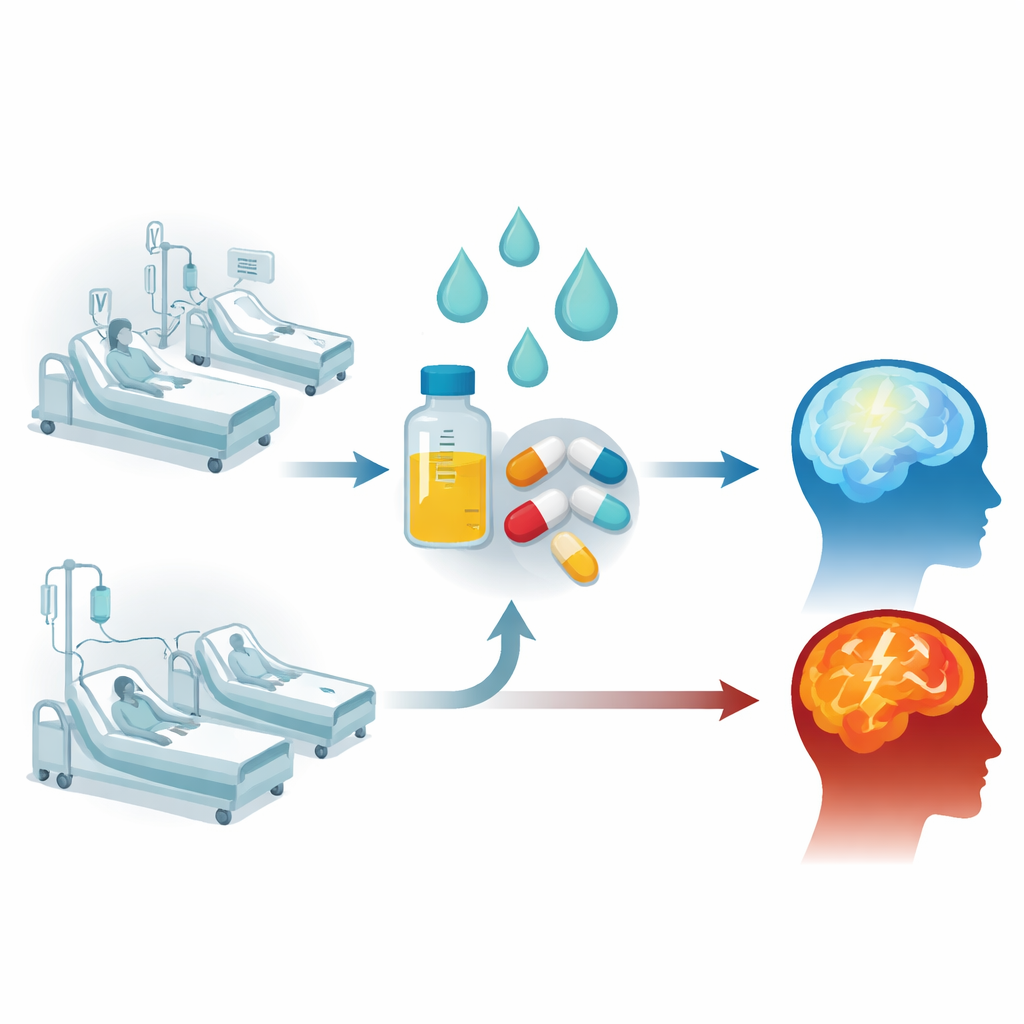
Confusion and Coma in the Intensive Care Unit
Delirium—a sudden disturbance in attention, awareness, and thinking—is strikingly common among critically ill people on breathing machines. It can look like agitation, hallucinations, or, more subtly, a patient who seems drowsy, disoriented, and unable to follow simple commands. Sometimes, instead of delirium, patients remain in a deep unresponsive state, or coma, for days after sedation is stopped. Together, these conditions reflect a broader problem called encephalopathy, meaning global brain dysfunction. Past work has shown that encephalopathy in the ICU is not just distressing; it is strongly linked to longer stays on the ventilator, more complications, and higher risk of death and long-term memory problems.
Testing the Role of High Antibiotic Levels
Because beta-lactam antibiotics (such as penicillins and cephalosporins) are given at very high doses in the ICU, and because they are known to affect the brain at extreme levels, the authors followed 224 deeply sedated, mechanically ventilated adults in a French intensive care unit. They carefully tracked doses and blood levels of several beta-lactams while patients were sedated and for up to two days after sedation was stopped. At the bedside, trained nurses and physicians used standardized scoring tools several times a day to record whether each patient was fully awake, delirious, or in coma. The main outcome was whether patients showed delirium or persistent coma in the first 48 hours after sedative drugs were withdrawn.
What the Team Found at the Bedside
Of the 190 patients who could be fully assessed, 111—more than half—developed encephalopathy: 81 had delirium and 30 remained in coma. These patients tended to be older, sicker on arrival (with more failing organs), and exposed to longer periods of sedation. They also fared worse overall: they spent more days on the ventilator, stayed longer in the ICU, were less likely to be successfully removed from the breathing machine, and had higher death rates than patients who woke up cleanly. In short, encephalopathy emerged as a powerful marker of poor outcome, reinforcing how important it is to understand and, if possible, prevent it.
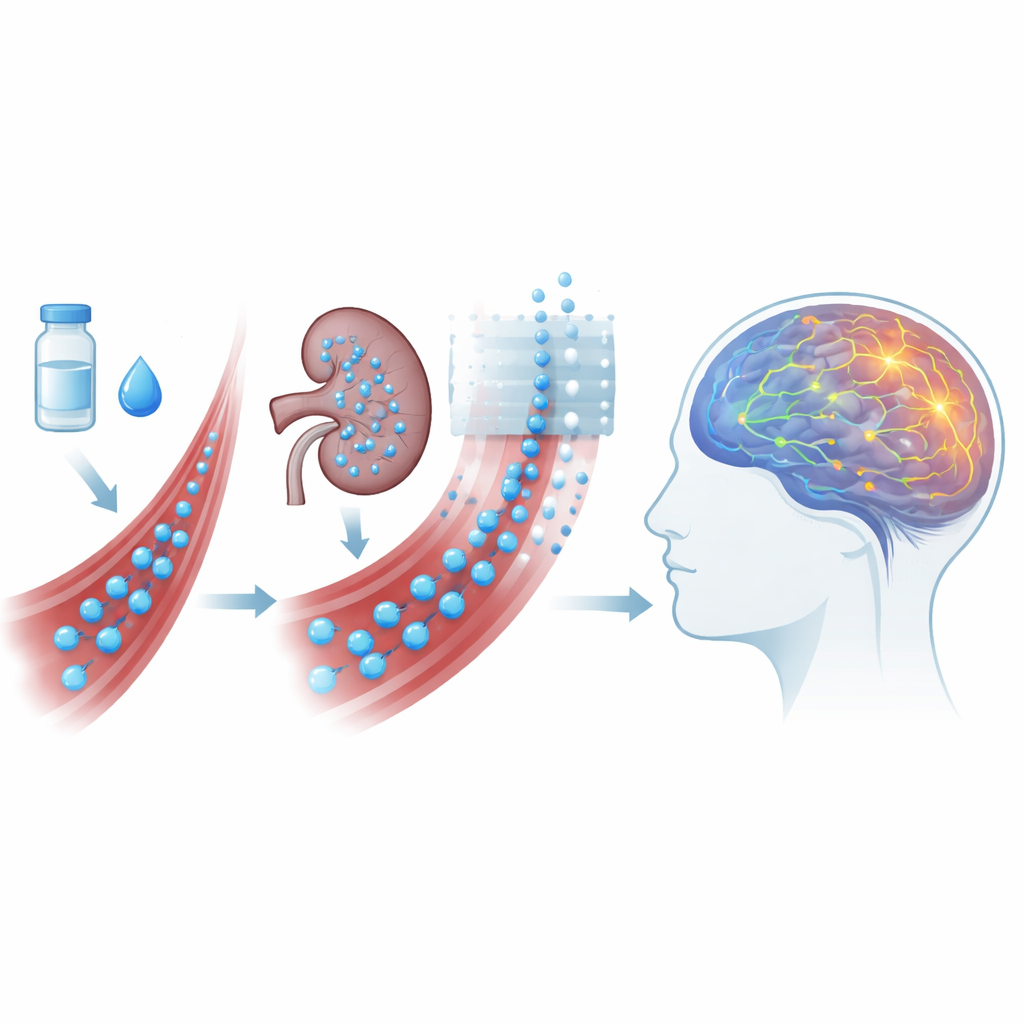
Antibiotic Overdosing: Suspect, but Not Guilty—Yet
Blood tests showed that about one quarter of patients receiving beta-lactams had levels above a commonly used high-dose target, designed to ensure that even very resistant bacteria are killed. Surprisingly, when the researchers compared patients with and without encephalopathy, this kind of “overdosing” was equally frequent in both groups. After accounting for other factors, age, the severity of organ failure at admission, and how long patients had been sedated—not high antibiotic levels defined in this way—were the main predictors of brain dysfunction. However, when the authors re-analyzed a subset of patients using stricter, drug-specific thresholds drawn from previous reports of antibiotic-related brain toxicity, they did see a stronger link between excess levels and encephalopathy, hinting that some individuals might indeed be pushed into brain trouble by very high concentrations.
What This Means for Patients and Clinicians
This work suggests that while encephalopathy is alarmingly common and dangerous in ventilated ICU patients, it cannot be blamed solely on generous antibiotic dosing as currently defined. Instead, it appears to arise from a complex mix of older age, severe illness, organ failure, and prolonged exposure to sedatives and other drugs, with beta-lactams possibly contributing in a subset of cases when levels exceed more precise neurotoxic thresholds. For families, the study underlines why delayed awakening is both common and serious; for clinicians, it argues that simply staying below traditional “high-dose” antibiotic targets may not be enough to guarantee brain safety. The authors call for larger studies to pin down, for each antibiotic, the blood levels at which protecting the body from infection begins to put the brain at risk.
Citation: Gendreau, S., Benelli, B., Cintrat, G. et al. Encephalopathy in mechanically ventilated adult patients in the intensive care unit: the role of β-Lactam overdosing. Sci Rep 16, 10384 (2026). https://doi.org/10.1038/s41598-026-38709-y
Keywords: ICU delirium, mechanical ventilation, beta-lactam antibiotics, drug neurotoxicity, therapeutic drug monitoring