Clear Sky Science · en
The genetic spectrum of LRRK2 variants in Parkinson’s disease: findings from a large Chinese cohort
Why genes matter in Parkinson’s disease
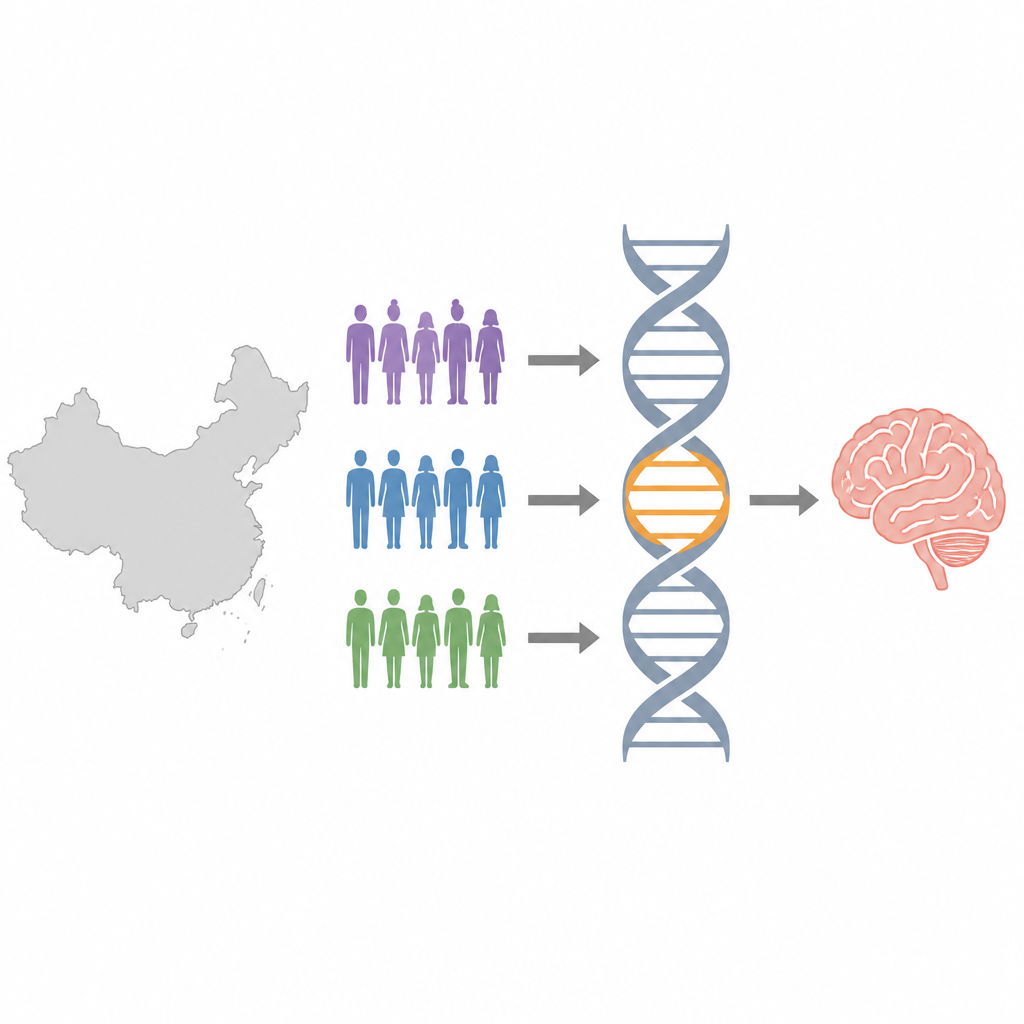
Parkinson’s disease is a common brain disorder that causes movement problems, but not everyone is affected in the same way or for the same reasons. One important clue lies in our genes, tiny stretches of DNA that can raise or lower a person’s risk. This article looks closely at changes in a single gene, called LRRK2, in a very large group of people in China, to understand who is more likely to develop Parkinson’s and why some people with similar shaking symptoms actually have a different condition.
A closer look at a key risk gene
The LRRK2 gene gives instructions for making a large protein that helps control many cell processes, including those important for brain health and inflammation. Certain rare changes in this gene are already known to directly cause inherited forms of Parkinson’s in some families. Other, more common changes do not guarantee disease but can gently tip the balance toward higher risk. Yet, for almost 200 different LRRK2 changes, doctors still do not know whether they are harmful, harmless, or something in between, especially in populations that have not been well studied.
Building a large picture from many volunteers
To fill this gap, the researchers examined the LRRK2 gene in 20,519 Chinese participants. This group included 7,562 people with Parkinson’s disease, 3,077 people with essential tremor, and 9,880 healthy volunteers. Essential tremor is another movement disorder that causes shaking but is distinct from Parkinson’s. Using advanced DNA sequencing, the team cataloged both rare and common changes in the LRRK2 gene and then compared how often each type of change appeared in patients versus healthy controls.
Rare gene changes linked to Parkinson’s, not to tremor
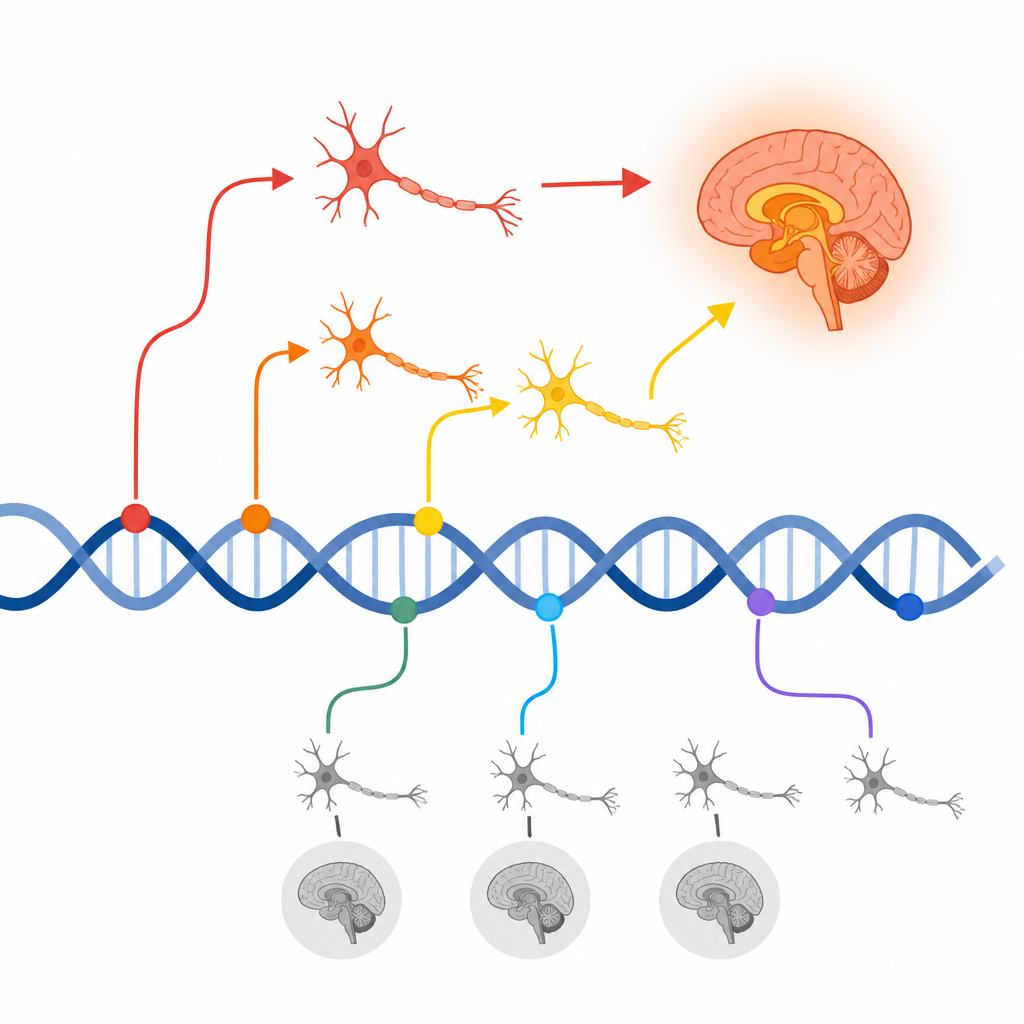
The team found 287 rare LRRK2 changes that altered the protein in some way. A small group of these were already known or strongly suspected to be disease causing, and they appeared more often in people with Parkinson’s than in healthy individuals. Overall, about 0.71 percent of Parkinson’s patients carried one of these known harmful changes, compared with only 0.11 percent of healthy volunteers. People with essential tremor had similar rates to healthy volunteers, suggesting that these LRRK2 changes matter for Parkinson’s but not for essential tremor. When the scientists looked beyond the known mutations, they saw that people with Parkinson’s carried a heavier “burden” of rare, damaging changes in LRRK2 than controls did, hinting that additional hidden risk variants were at work.
New suspect variants and common risk patterns
By combining burden tests and case control comparisons, the researchers highlighted three new LRRK2 changes as likely to be harmful: A312V, M968K, and R1320S. These appeared more often in Parkinson’s patients (0.79 percent) than in healthy people (0.20 percent) or those with essential tremor (0.42 percent). One of these, R1320S, has been shown in earlier lab work to boost the activity of the LRRK2 protein, supporting the idea that excessive activity rather than loss of function may drive disease. The study also confirmed that three more common LRRK2 changes, known as A419V, R1628P, and G2385R, are linked to higher Parkinson’s risk in the Chinese population, while again showing no clear role in essential tremor.
What this means for patients and future care
Together, these findings show that the pattern of LRRK2 gene changes in Chinese people with Parkinson’s is different from that seen in European groups, with some mutations being rare and others much more important. The work strengthens the view that certain LRRK2 changes increase Parkinson’s risk mainly by making the protein overactive, and that these changes do not explain essential tremor. For patients, this research lays the groundwork for more precise genetic advice and, in the long run, for treatments tailored to a person’s genetic makeup, especially as drugs that target LRRK2 move forward in development.
Citation: Wan, J., Pan, H., Chang, D. et al. The genetic spectrum of LRRK2 variants in Parkinson’s disease: findings from a large Chinese cohort. npj Parkinsons Dis. 12, 122 (2026). https://doi.org/10.1038/s41531-026-01315-w
Keywords: Parkinson’s disease genetics, LRRK2 variants, Chinese cohort, essential tremor, neurodegenerative risk