Clear Sky Science · en
Beyond RBD: covert REM sleep abnormalities in Parkinson’s disease
Why dreaming muscles matter in Parkinson’s
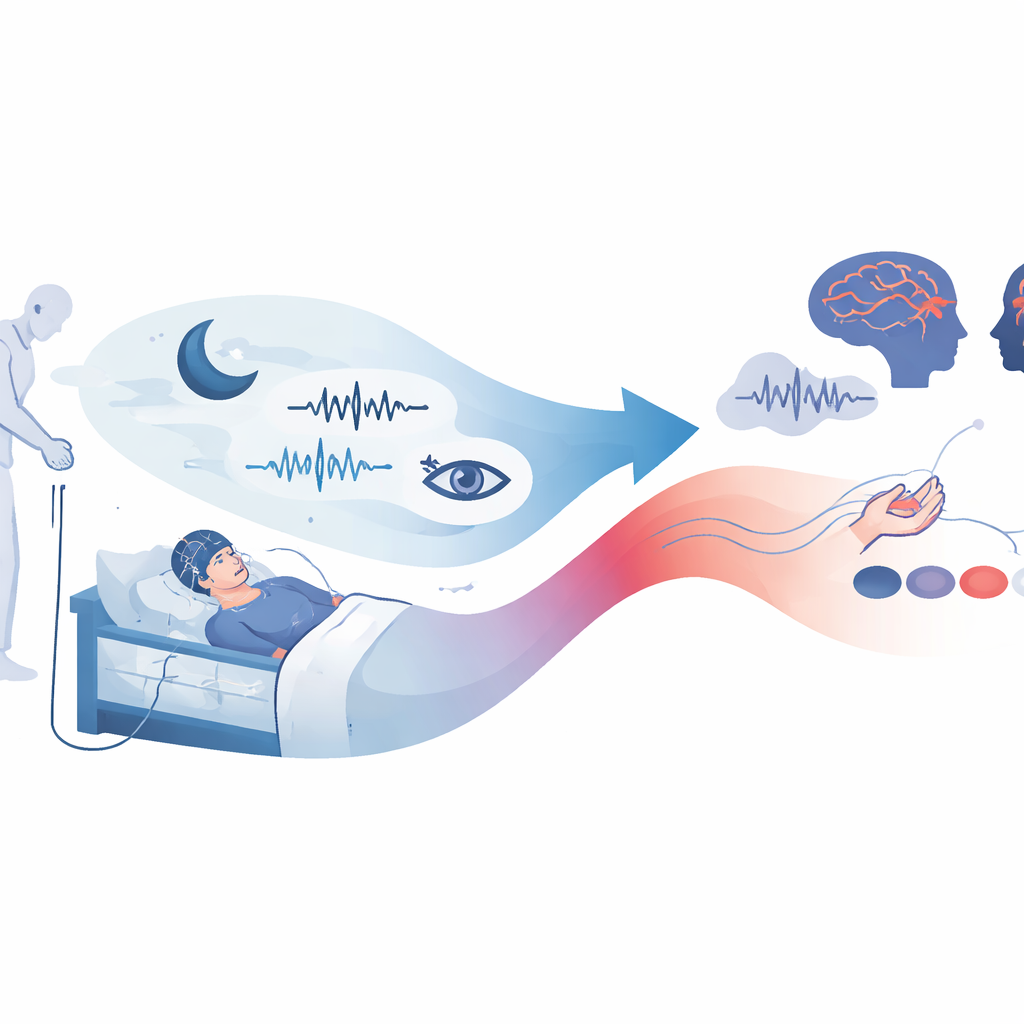
When we drift into dream-filled sleep, our bodies usually fall limp while our minds play out vivid stories. In many people with Parkinson’s disease, however, that overnight shutdown goes awry: muscles may stay active, and dreams can spill over into sudden kicks or shouts. This study asks a deeper question: even before such dramatic symptoms appear, are there hidden changes during dreaming sleep that could signal early brain trouble and quietly weaken the way sleep supports learning and movement?
Looking beneath the surface of nighttime behavior
The researchers focused on a stage of sleep called rapid eye movement, or REM, when most dreaming takes place. Some people with Parkinson’s develop REM sleep behavior disorder, where they physically act out dreams because their muscles are not properly relaxed. This visible problem is already known to be a strong warning sign of future brain degeneration. The team wondered whether it represents just the tip of an iceberg of subtler REM changes that are harder to see but still harmful for the brain.
Tracking sleep and learning in early Parkinson’s
To explore this hidden layer, the scientists invited 25 people recently diagnosed with Parkinson’s, none yet taking Parkinson’s medications, and 23 healthy peers for an overnight stay in a sleep lab. Before bed and again after waking, everyone practiced a finger-tapping task that measures how well the brain fine‑tunes new movements. During sleep, the volunteers wore high‑density caps with hundreds of sensors to record brain waves, along with monitors for eye movements, breathing, heart activity, and muscle tone. This detailed setup allowed the team to map the structure of each person’s sleep and pick up even subtle twitches of muscle activity during REM.
Hidden dream‑sleep changes revealed
On the surface, people with Parkinson’s slept about as long and cycled through the usual sleep stages as often as healthy sleepers. But a closer look at REM sleep told a different story. Over a third of the Parkinson’s group showed unusually high muscle tone during REM, even though only some met the full clinical definition of dream‑enacting behavior. In these individuals, brain recordings also revealed stronger rhythmic activity over the back of the head in a frequency range called theta. This abnormal pattern was tied to more advanced disease stage and worse movement symptoms, suggesting it reflects underlying brain damage rather than simple restlessness or muscle noise.
When dreaming sleep stops helping learning
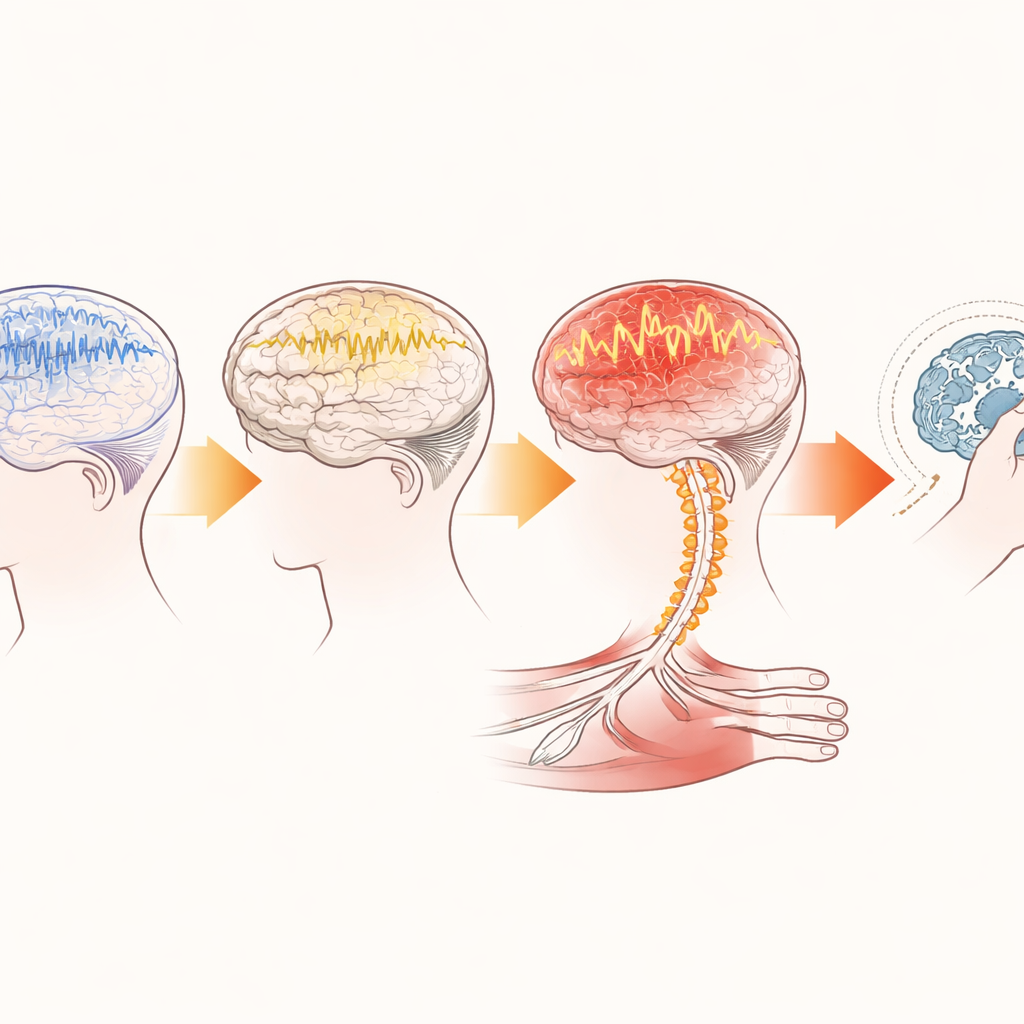
Sleep is famous for strengthening memories and skills, and that held true here: on average, both healthy volunteers and those with Parkinson’s performed the finger‑tapping sequence more accurately after a night’s sleep. Yet the way specific sleep stages supported this improvement differed sharply between groups. In healthy sleepers, a lighter non‑dreaming stage known as N2 and its brief bursts of brain activity, called sleep spindles, were linked to better overnight gains. Among people with Parkinson’s, however, longer time spent in REM sleep was actually associated with worse improvement, especially in those with excessive muscle tone during REM. In this subgroup, more dreaming sleep went hand‑in‑hand with less benefit from practice, as if a normally helpful process had become counterproductive.
What this means for patients and future care
The findings paint a picture of dreaming sleep in early Parkinson’s as quietly altered long before dramatic nighttime behaviors become obvious. Subtle loss of normal muscle relaxation and changes in brain rhythms during REM appear to track the illness’s progression and are linked to a weakening of sleep’s ability to stabilize new motor skills. For patients, this suggests that paying attention to sleep — not just during the day’s tremors and stiffness — may offer an early window into brain health. For doctors and researchers, REM‑sleep measures could become sensitive markers to spot Parkinson’s earlier, follow its course more precisely, and test therapies aimed at protecting the sleeping brain before damage becomes irreversible.
Citation: Lanir-Azaria, S., Nir, Y., Tauman, R. et al. Beyond RBD: covert REM sleep abnormalities in Parkinson’s disease. npj Parkinsons Dis. 12, 90 (2026). https://doi.org/10.1038/s41531-026-01295-x
Keywords: Parkinson’s disease, REM sleep, REM sleep behavior disorder, motor learning, EEG biomarkers