Clear Sky Science · en
Exploring the prospects of artificial intelligence in transforming dental care for special needs groups: mapping the current evidence
Why Smart Tools Matter for Special Smiles
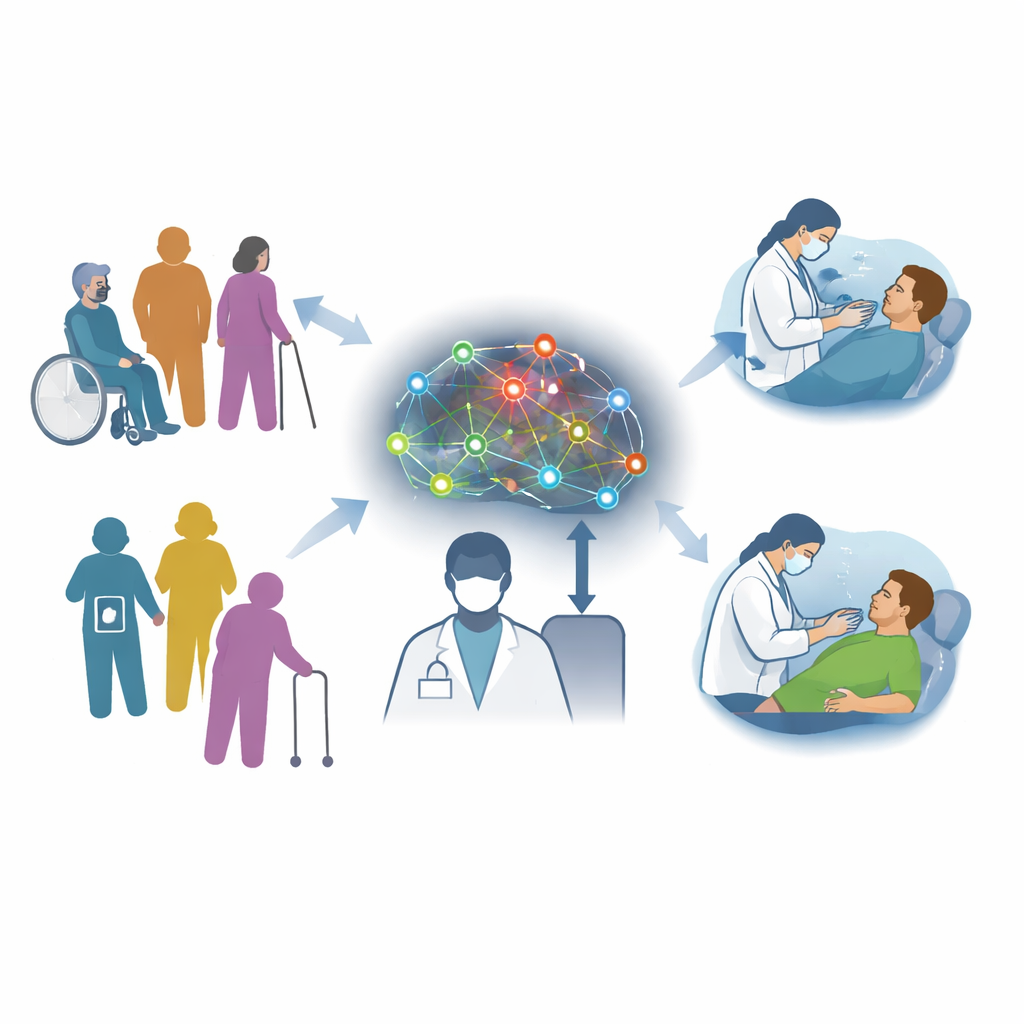
For many people, a trip to the dentist is stressful but manageable. For those with physical, intellectual, or medical challenges, it can be a major ordeal—or never happen at all. This article looks at how artificial intelligence (AI) might change that. By using smart software to assist with screening, diagnosis, behavior management, and remote care, dentists could better serve patients in wheelchairs, people with conditions like Down syndrome or cerebral palsy, elderly adults, and others who often fall through the cracks of routine dental care.
The Challenge of Caring for Vulnerable Patients
People who need special care dentistry often face a double burden: they are more likely to have complex health conditions and less likely to access timely dental treatment. Physical limits, anxiety, communication difficulties, and sensory sensitivities can make even a simple exam hard. On top of this, there are social and system barriers—few trained specialists, clinics that are not adapted to wheelchairs or caregivers, and limited funding. The result is that many of these patients live with preventable tooth pain, gum disease, and oral infections that affect eating, speaking, and overall health.
What This Study Set Out to Find
The authors did not test a single new gadget. Instead, they asked a broader question: what do we already know about AI in dental care for special needs groups, and where are the gaps? Using a structured method called a scoping review, they searched major scientific databases for studies from 2015 to 2025. They included research on tools that use AI for diagnosis, treatment planning, behavior support, tele-dentistry, or communication help in people with disabilities, older adults, or other underserved groups. The team then organized the findings into an “evidence map” showing which combinations of patient groups, AI tools, and dental problems have been studied—and which have barely been touched.
What the Evidence Shows So Far
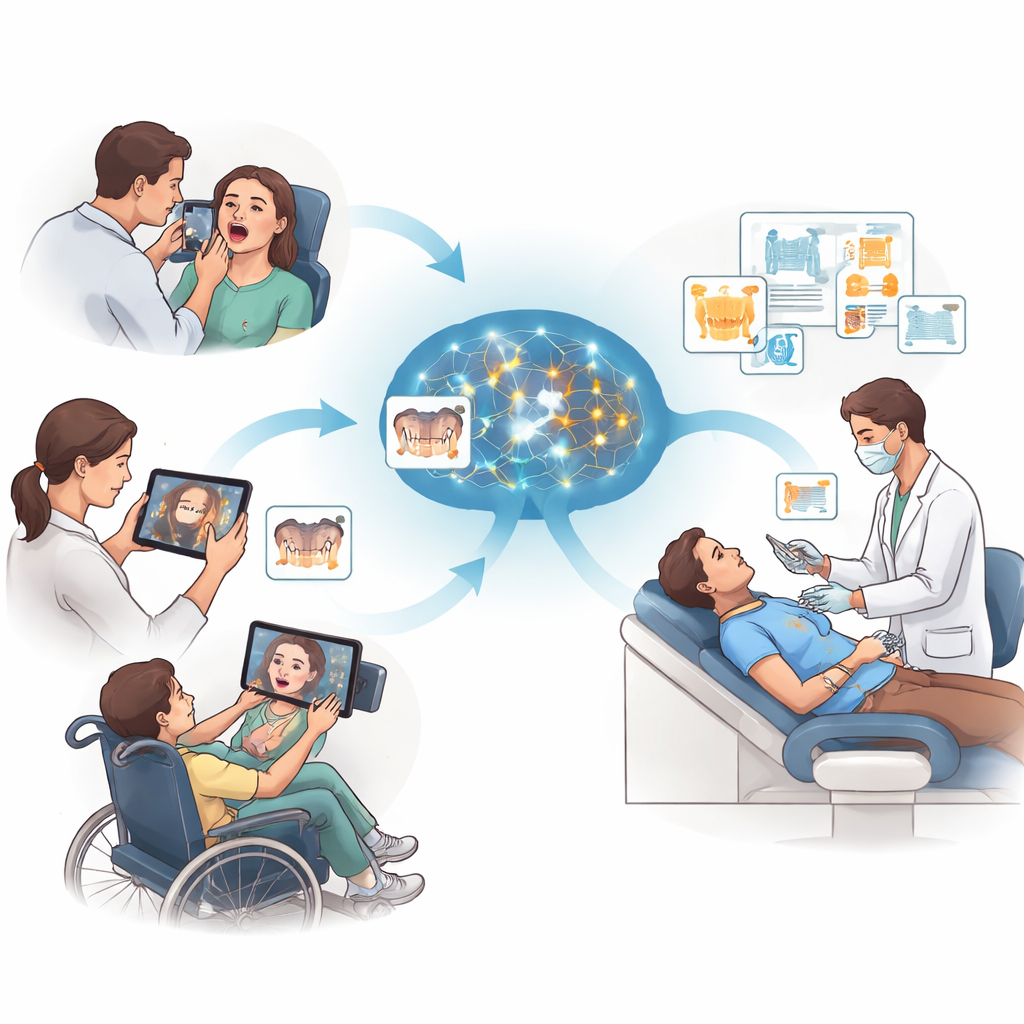
Out of hundreds of papers, only five met the criteria for this very specific question. These studies were early-stage: one systematic review, two cross-sectional surveys, one pilot trial, and one mini review. Together, they suggested that AI can work quite well for certain tasks. Smartphone-based tools and image-analysis software showed good accuracy in spotting gum disease and other oral problems in older adults and underserved communities. One study used AI linked to virtual reality to track emotional signals and help calm patients with cerebral palsy and Down syndrome during treatment. Another surveyed dentists and found that most were positive about using AI with patients who have disabilities, especially for treatment planning and managing complex cases.
Large Gaps Behind the Bright Spots
Despite these encouraging examples, the map of current knowledge is mostly empty space. There were no strong long-term studies or clinical trials, and very little research on core needs such as predicting dental disease risk in people with neurodevelopmental disorders, helping non-verbal patients communicate, or supporting behavior management in elderly and cancer patients. Most existing tools are used as helpers alongside dentists, not as stand‑alone decision makers, and few have been tested in real-world clinics over time. The article also points out that issues like privacy, data protection, and fairness in how AI decisions are made are rarely addressed, even though they are crucial when dealing with vulnerable groups.
What Needs to Happen Next
To a lay reader, the takeaway is clear: AI could make dental care more comfortable, accurate, and accessible for people with special needs, but we are still at the starting line. The authors call for careful, long‑term studies that test these tools in everyday practice, across many types of patients and conditions. They argue that dentists need training in AI, health policies must address safety and privacy, and new tools should be judged not only on technical accuracy but also on whether they improve quality of life. In short, today’s scattered pilot projects should grow into a thoughtful, patient‑centered use of AI that helps ensure everyone can keep a healthy mouth, regardless of their challenges.
Citation: Pai, M., Yellapurkar, S., Chengappa S, K. et al. Exploring the prospects of artificial intelligence in transforming dental care for special needs groups: mapping the current evidence. BDJ Open 12, 49 (2026). https://doi.org/10.1038/s41405-026-00436-x
Keywords: artificial intelligence in dentistry, special care dentistry, disability and oral health, teledentistry, dental behavior management