Clear Sky Science · en
Loss of p300/CBP-associated factor aggravates cardiac remodeling via regulation of CAMKK2 acetylation
Why this heart study matters
Heart failure is one of the most common reasons people are hospitalized, and it often develops slowly as the heart’s pumping chambers change shape and weaken. This study looks inside heart cells to find a molecular "switch" that helps the heart cope with stress before it slides into failure. Understanding this switch could point the way to new treatments that keep the heart strong when it is under pressure from high blood pressure, hormonal surges or other chronic strains.
How the heart changes under stress
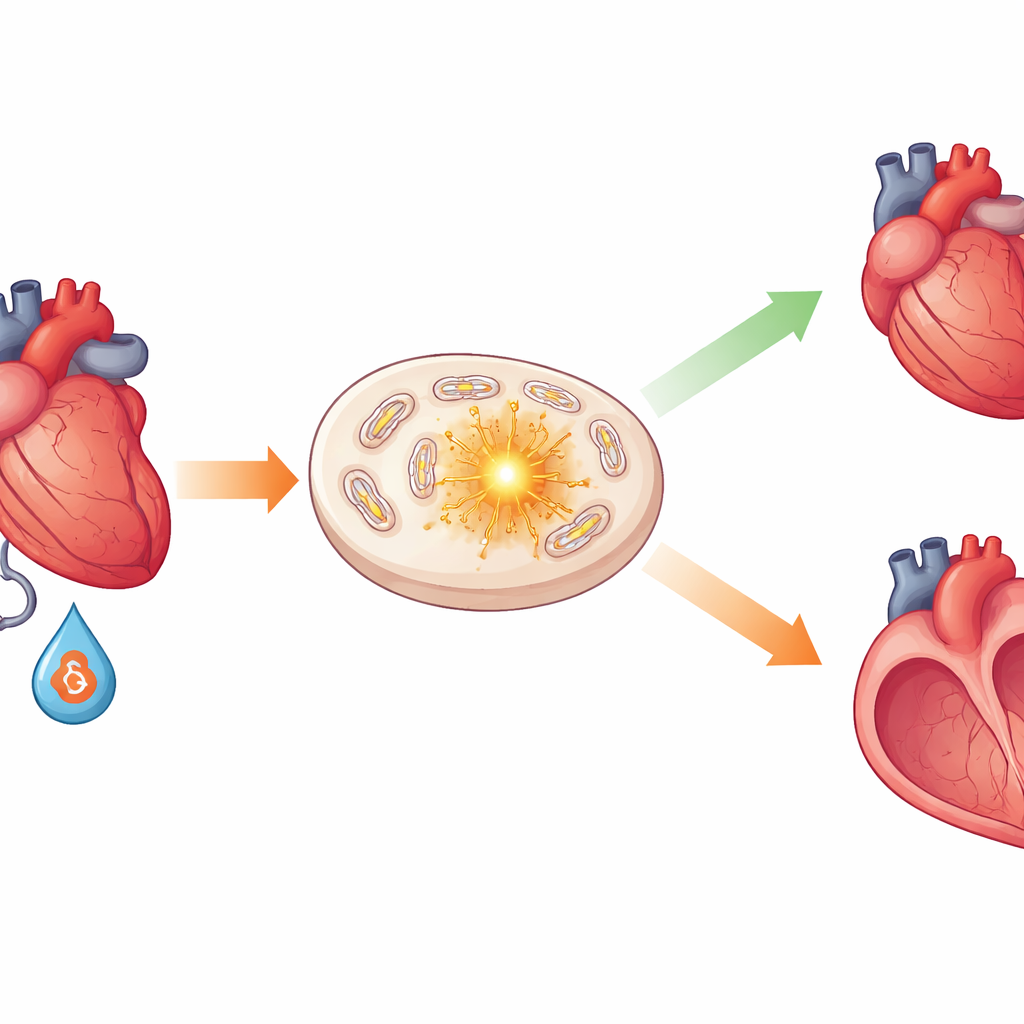
When the heart faces long lasting stress, such as high blood pressure or hormone overload, its muscle cells grow and the chambers remodel. At first this growth can be helpful, keeping blood flow steady. Over time, though, the main pumping chamber can stretch, its wall thins and its squeeze weakens, leading to shortness of breath and fatigue. The researchers focused on this remodeling process, asking why some hearts adapt while others progress to a weakened, enlarged state known as dilated cardiomyopathy.
A protective helper inside heart cells
The team studied a protein called PCAF, known for adding small chemical tags called acetyl groups to other proteins. These tiny tags can change how proteins behave. Using mice genetically engineered to lack PCAF, the scientists challenged the animals’ hearts with two types of stress: a drug that mimics a surge of stress hormones and a surgical procedure that squeezes the main artery leaving the heart. In normal mice, the heart muscle thickened but largely preserved its pumping ability. In mice without PCAF, the hearts enlarged more, the walls became thinner, scarring increased and pumping function dropped, closely resembling human dilated cardiomyopathy.
Linking PCAF to the cell’s energy guardian
To discover how PCAF exerts this protection, the researchers examined a signaling route that helps cells balance their energy supply. At the center of this route is AMPK, a protein that senses low energy and helps the cell adjust fuel use. Another protein, CAMKK2, activates AMPK, but how CAMKK2 itself is controlled in the heart was unclear. The study shows that PCAF directly acetylates CAMKK2 in heart cells. This acetylation boosts CAMKK2’s ability to switch on AMPK, which in turn supports healthy energy handling and helps prevent harmful overgrowth and weakening of the heart muscle during stress.
What goes wrong when the helper is missing
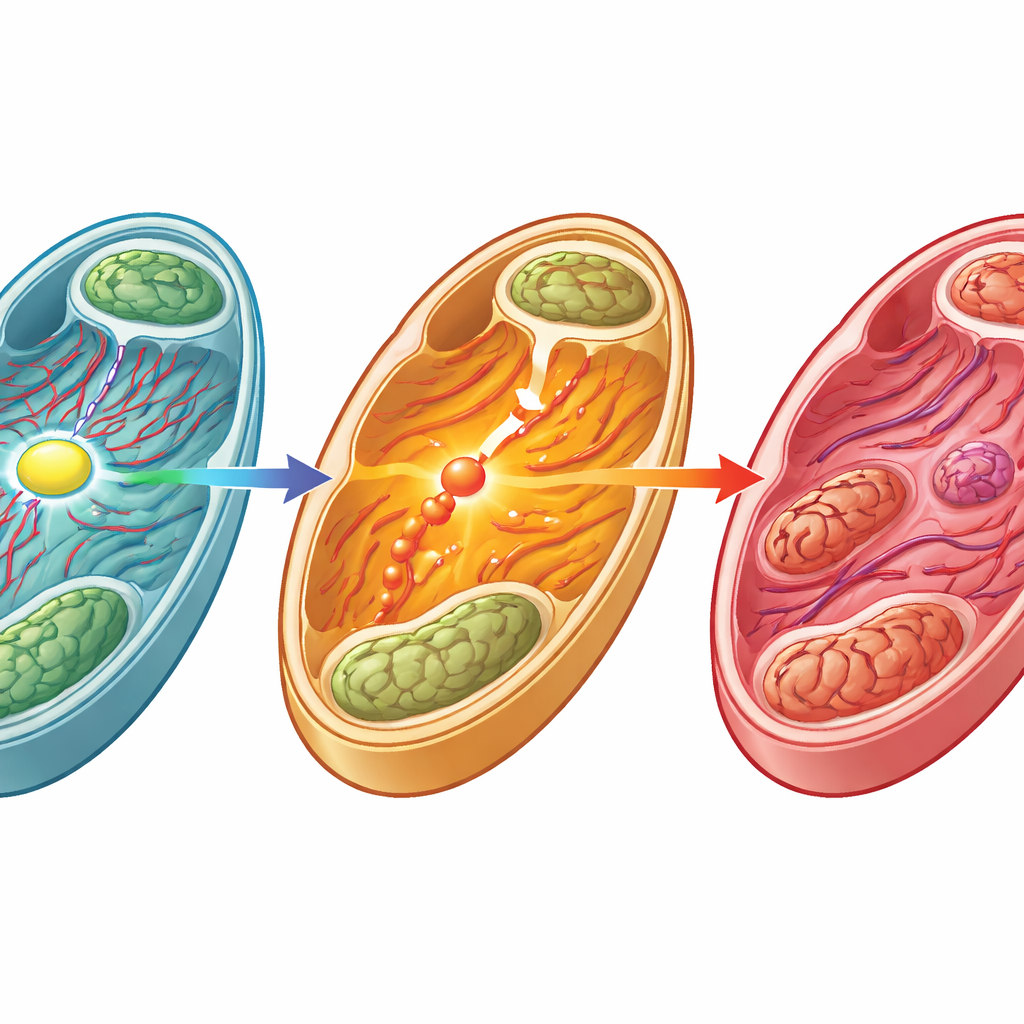
In mice lacking PCAF, CAMKK2 carried fewer acetyl tags, AMPK activity fell and the fine internal structure of heart cells deteriorated, especially the mitochondria, which act as tiny power plants. Under hormone or pressure overload, these PCAF deficient hearts could not mount the usual protective energy response. Instead of a controlled thickening, the pumping chamber ballooned and its wall thinned, leading to poor contraction and higher death rates. When PCAF was removed only from heart muscle cells, the same pattern emerged, showing that this protective role comes mainly from actions inside these cells rather than from other cell types in the heart.
A possible new way to support failing hearts
The scientists also tested a small molecule called SPV106 that increases PCAF activity. In mice with pressure overloaded hearts, treatment with SPV106 reduced chamber enlargement and scarring and improved pumping function, while also boosting CAMKK2 and AMPK activity. For a layperson, the take home message is that PCAF acts like a guardian switch inside heart cells, helping them keep their energy balance and structure when stressed. When this guardian is missing or weak, the heart is more likely to stretch, thin and fail. Drugs that gently turn this switch back on, or mimic its effect on CAMKK2 and AMPK, may one day help protect people’s hearts from sliding into heart failure.
Citation: Lim, Y., Jeong, A., Kwon, DH. et al. Loss of p300/CBP-associated factor aggravates cardiac remodeling via regulation of CAMKK2 acetylation. Exp Mol Med 58, 1297–1310 (2026). https://doi.org/10.1038/s12276-026-01698-z
Keywords: heart failure, cardiac remodeling, energy metabolism, AMPK signaling, mouse model