Clear Sky Science · en
ChatGPT’s impact on student learning outcomes: a meta-analysis of 35 experimental studies
Why this new study on ChatGPT in classrooms matters
Parents, teachers, and students are all asking the same question: does using ChatGPT actually help kids learn, or does it just make schoolwork easier to fake? This study pulls together results from 35 classroom experiments around the world to give a clearer picture. By looking at test scores, skills, and attitudes from more than four thousand students, the authors move past anecdotes and offer solid evidence about when ChatGPT helps learning and when its impact is less clear. 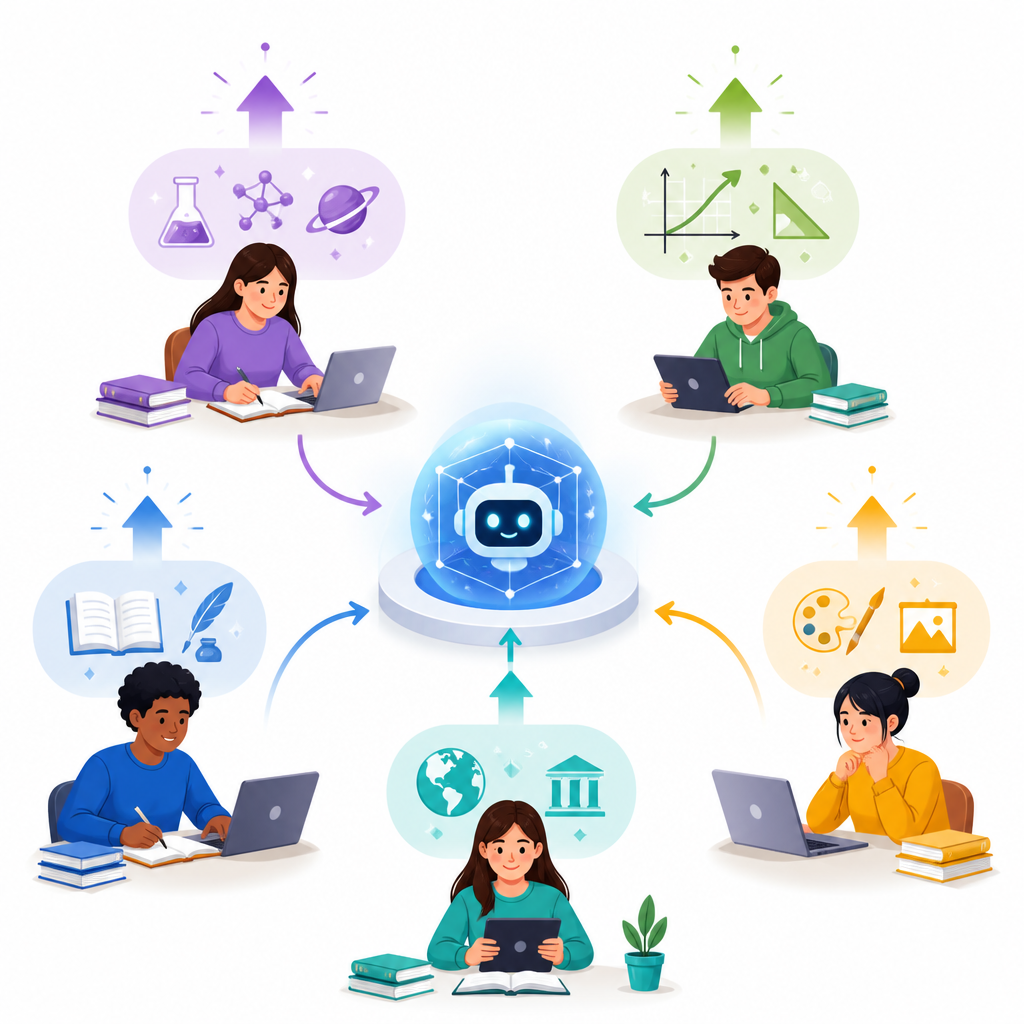
What the researchers set out to discover
Instead of focusing on a single school or subject, the team used a method called meta analysis, which combines data from many separate studies into one big overview. They searched major research databases for experiments that compared students who used ChatGPT with those who learned in more traditional ways. Only studies with control groups or before and after testing, and with enough data to calculate learning gains, were included. In total, 35 studies published between late 2022 and mid 2024, covering 4193 students, met the strict criteria.
How much ChatGPT actually helps students learn
Across all of the studies, students who learned with help from ChatGPT performed noticeably better than those who did not. The size of this advantage was moderate rather than tiny or overwhelming, meaning the difference was large enough to matter in real classrooms. ChatGPT boosted both “head” outcomes, such as problem solving, critical thinking, and test scores, and “heart and habit” outcomes, such as motivation, confidence, and engagement. The gains were especially strong for cognitive skills like critical thinking and problem solving, where the effects were close to what researchers consider large improvements.
Where ChatGPT shines and where it lags
The benefits of ChatGPT were not the same everywhere. The biggest learning boosts appeared in subjects like physics, chemistry, and English, where students often wrestle with complex ideas and need lots of practice explaining their thinking. In mathematics, computer science, teaching skills, and literature, the effects were positive but more modest. In broad, mixed topics like general science or interdisciplinary projects, the evidence was weaker, partly because there were fewer high quality studies. One clear pattern was time: short trials of less than a month helped, but studies lasting longer than three months showed the strongest gains, suggesting that students need time to learn how to use ChatGPT well and that the initial “novelty effect” is not the only reason for improvement. 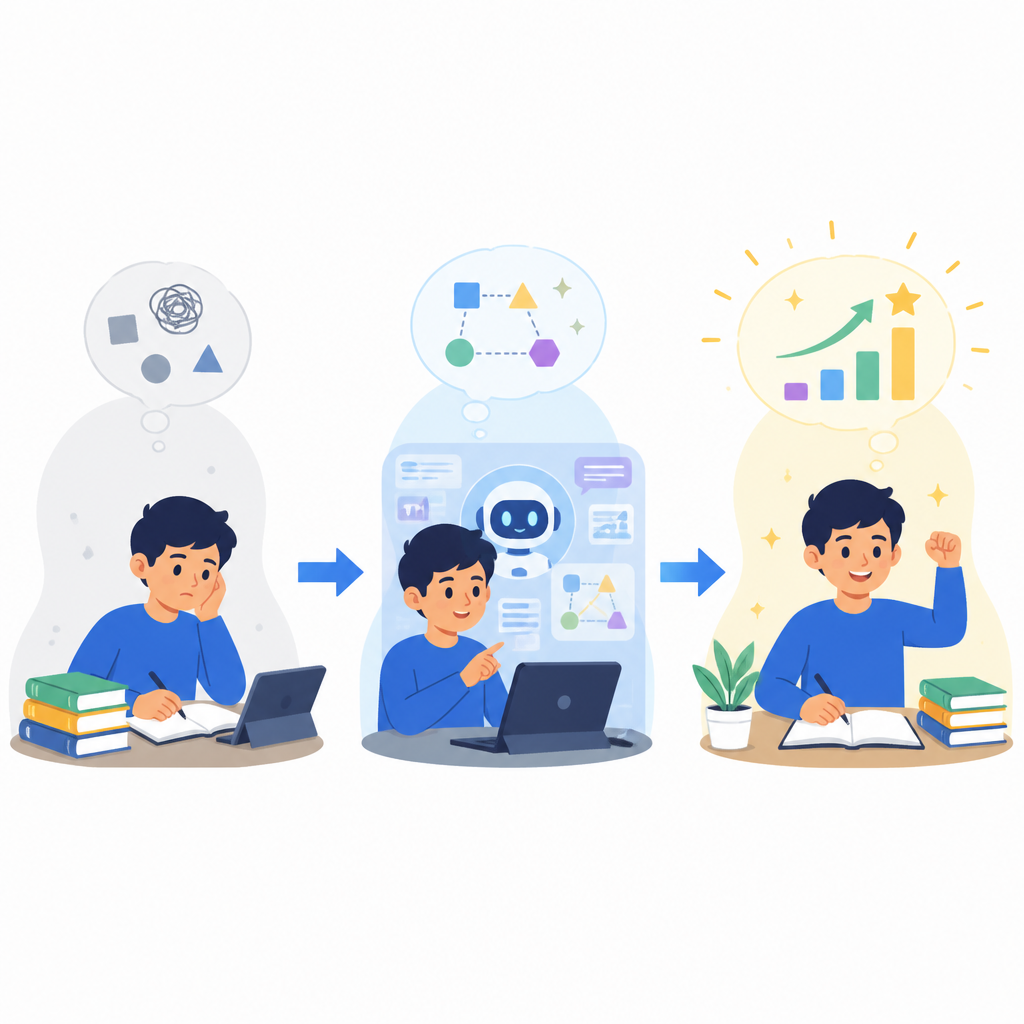
Who benefits and what kind of teaching works best
ChatGPT helped students in both secondary school and higher education, with slightly stronger effects for teenagers in middle and high school. The tool supported learning of facts and concepts as well as skills and procedures, with a somewhat bigger lift for factual and conceptual knowledge. Interestingly, ChatGPT worked very well when added to quite traditional, teacher led lessons, where it acted as a smart helper that could explain ideas, generate examples, or give quick practice questions. It also helped in more innovative settings like flipped classrooms, game based lessons, and online collaborations, but the gains there were somewhat smaller. The authors argue that students still rely heavily on teachers to guide them, structure tasks, and keep AI use from becoming a shortcut that blocks deeper thinking.
What this means for classrooms and homework
For a lay reader, the main takeaway is that using ChatGPT in education tends to help rather than hurt, but only when it is thoughtfully woven into regular teaching instead of replacing it. On average, students learn more, think more deeply, and feel more engaged when teachers use ChatGPT as a tool for explanation, practice, and feedback. The study finds no sign that only the “best” studies were published, which makes the results more trustworthy. At the same time, the authors caution that we still know little about long term effects, higher order thinking, and issues like over reliance or privacy. Their conclusion is that ChatGPT is a useful new member of the classroom toolkit, not a magic fix, and that future work should focus on how to guide students to use it critically and constructively over time.
Citation: Wu, X., Zhu, P., Zhang, J. et al. ChatGPT’s impact on student learning outcomes: a meta-analysis of 35 experimental studies. Humanit Soc Sci Commun 13, 684 (2026). https://doi.org/10.1057/s41599-026-07019-z
Keywords: ChatGPT in education, student learning outcomes, AI tutoring, classroom technology, meta-analysis