Clear Sky Science · en
Not all algorithmic controls are equal: the double-edged impact of algorithmic control dimensions on mental health and risky riding behavior among food delivery riders
Why algorithms matter to your dinner
When you tap your phone to order dinner, an unseen digital boss springs into action. Algorithms decide which rider picks up your meal, how fast they must deliver it, and what happens if they are late. This study looks behind the app interface to ask a simple but important question: how does this invisible control system affect the minds, safety, and daily choices of the food delivery riders who keep city life running?
The hidden rules behind every order
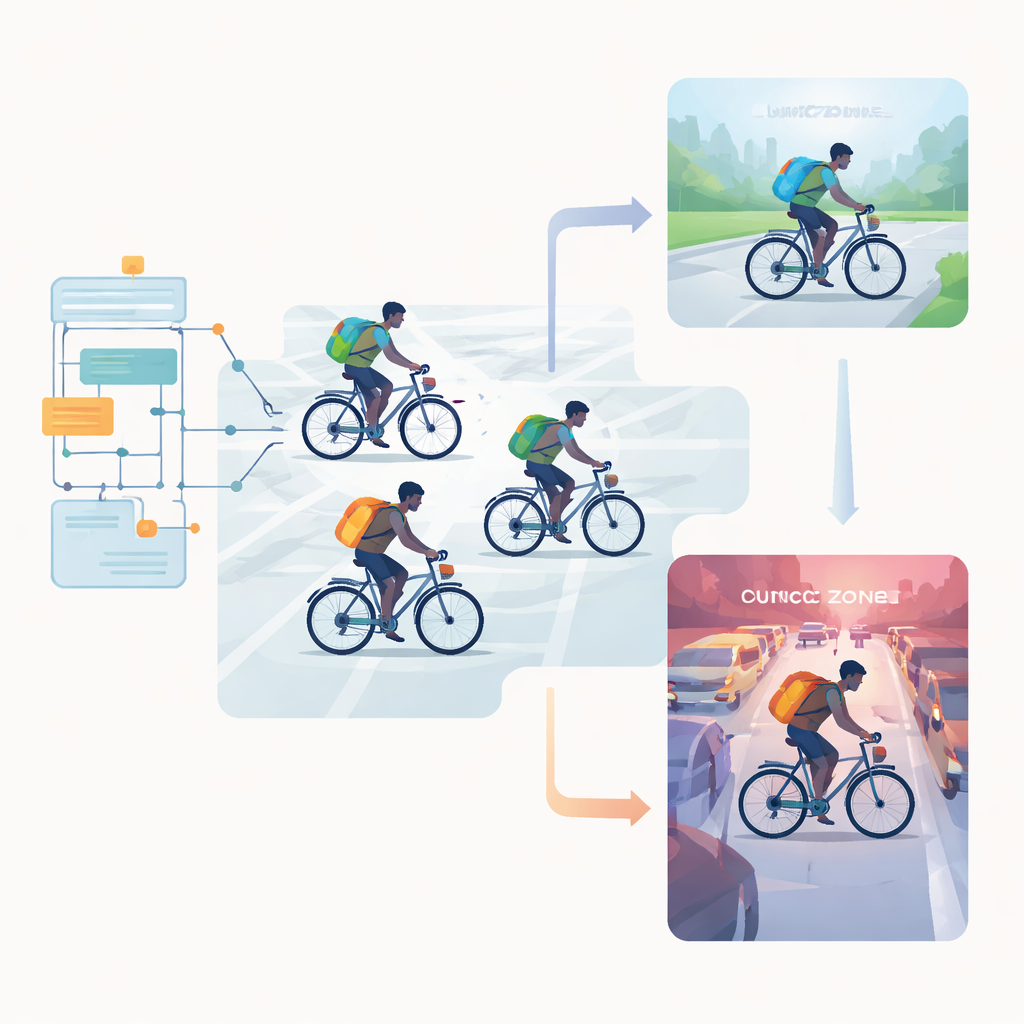
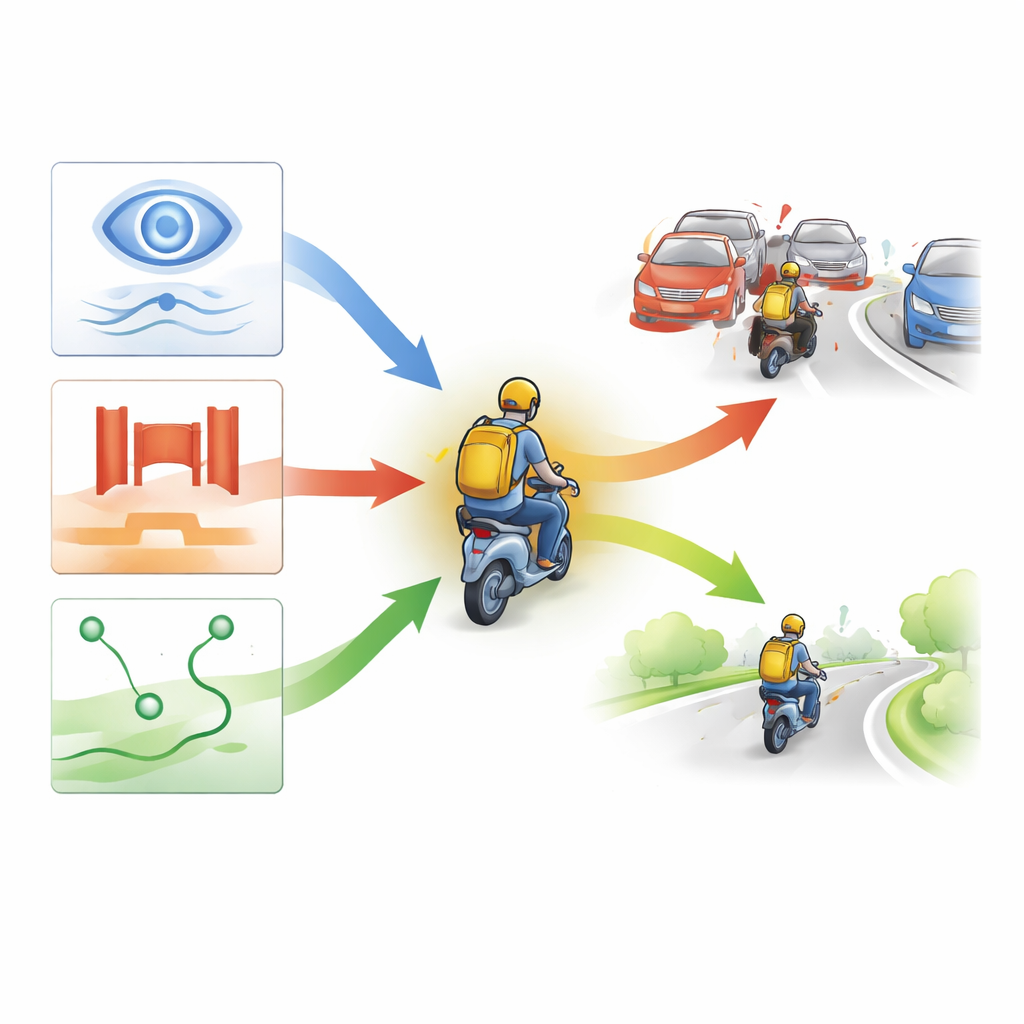
Food delivery platforms in China run on powerful data-driven systems that manage millions of riders at once. Instead of human supervisors, riders face an always-on digital overseer. The authors focus on what they call “perceived algorithmic control” – not just what the software does, but how riders feel it shaping their work. They break this control into three parts: constant tracking and rating of performance; strict rewards and penalties that push riders to meet targets; and standardized guidance, such as route suggestions and process instructions designed to help them work more efficiently.
A high-pressure job on two wheels
China’s food delivery market is huge, fast-paced, and risky. Most riders use inexpensive electric bikes and must weave through dense urban traffic under tight delivery deadlines. Delays can mean fines, loss of future orders, or even having an account shut down. Under these conditions, many riders cope by riding dangerously – speeding, running red lights, riding against traffic, or checking phones while moving. At the same time, they endure anxiety, frustration, and a sense of being constantly watched, all of which can erode mental health. The study argues that to truly understand these problems, we have to see them as two sides of the same coin: internal strain and outward risky behavior both grow out of the same pressure cooker.
What the data from riders reveal
The researchers surveyed 466 food delivery riders across China, asking about their experiences of platform control, their feelings of work pressure, their mental well-being, and their riding habits. Using statistical models, they found a sharp contrast between the three kinds of algorithmic control. When riders felt heavily tracked and rated, or tightly constrained by fines and strict rules, they reported higher work pressure, poorer mental health, and more risky riding on the road. In contrast, when they experienced the system as giving clear, helpful guidance – such as smart routing and supportive instructions – they felt less pressure, better mental health, and were less likely to ride dangerously.
When freedom helps and when it backfires
The study also explores how much control riders feel they have over their own work, such as choosing when to log on or which orders to accept. This sense of autonomy usually acts as a protective resource. Riders who felt more able to make their own choices were less overwhelmed by constant tracking, and they gained more benefit from helpful guidance. Yet one result was surprising: when it came to rigid rules and harsh penalties, autonomy did not shield riders. In fact, those who felt more freedom actually experienced more pressure under strict punishment systems. The authors suggest that this clash between the promise of freedom and the reality of tight control can deepen frustration and strain.
What this means for people and cities
For a lay reader, the takeaway is clear: the way platforms design their algorithms can either support or harm the people delivering our food – and can make city streets safer or more dangerous. Not all algorithmic controls are equal. Systems that mainly watch and punish push riders toward stress, poorer mental health, and hazardous shortcuts in traffic. Systems that provide realistic timing, smart routing, and genuine support can ease pressure and encourage safer choices. The study concludes that platform companies and regulators should treat algorithm design as a public health and safety issue, not just a technical or efficiency problem, and should aim to balance speed and profit with the well-being and safety of the riders who keep the system running.
Citation: Wu, J., Yang, W., Qi, J. et al. Not all algorithmic controls are equal: the double-edged impact of algorithmic control dimensions on mental health and risky riding behavior among food delivery riders. Humanit Soc Sci Commun 13, 554 (2026). https://doi.org/10.1057/s41599-026-06909-6
Keywords: gig economy, algorithmic management, food delivery riders, mental health, traffic safety