Clear Sky Science · en
Pursuing ideal mentalities: key features and contemporary contributions of traditional Chinese psychology
Why This Matters for Everyday Life
Most of us assume psychology should describe how people already think and feel. This article asks a different question: what if psychology also took seriously the mental states that humans deeply long for but almost no one has fully reached—such as complete inner peace, boundless compassion, or a felt unity with the world? By tracing how traditional Chinese thought has pursued these "ideal" states for centuries, the authors show how this quest could reshape modern psychology and its methods in practical, testable ways. 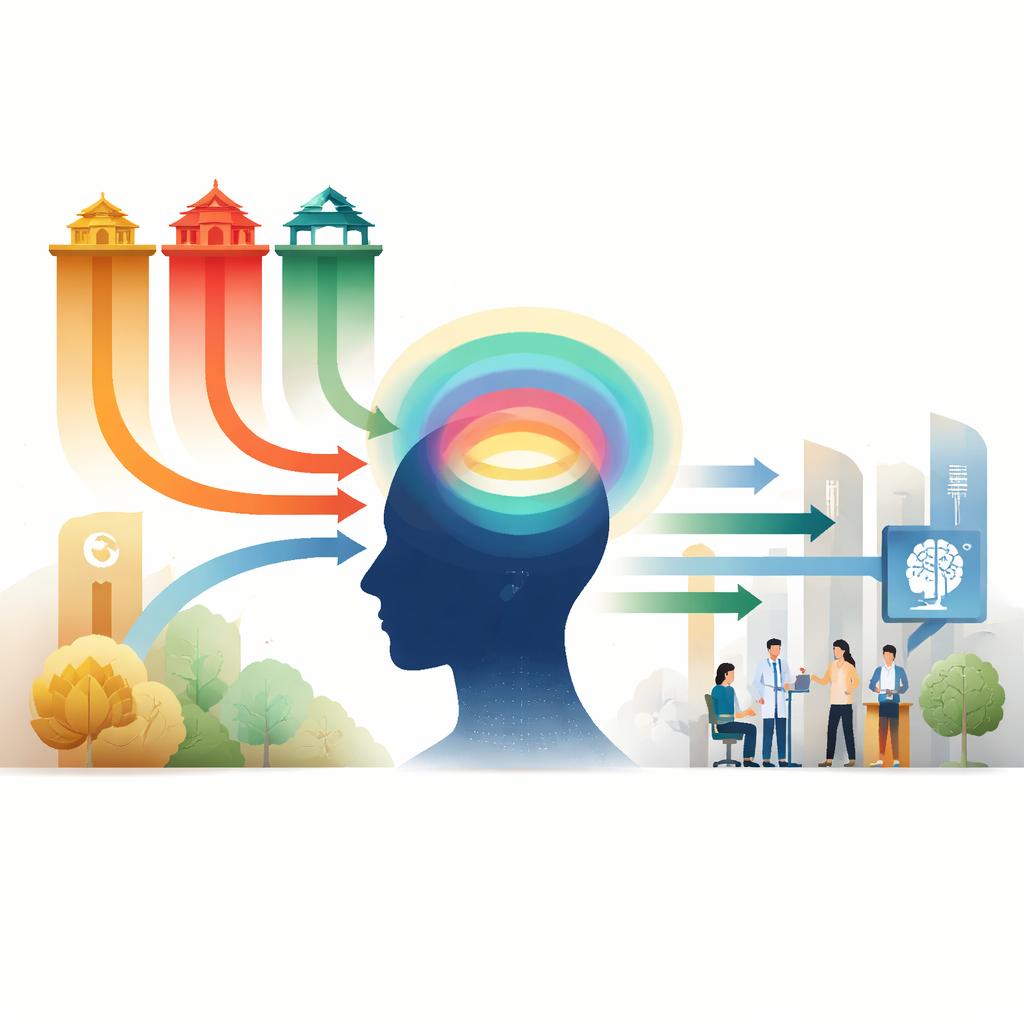
Ancient Traditions and Imagined Best Selves
The authors introduce the idea of "ideal mentalities": ways of being that are ethically desirable yet not known to be fully realized by anyone alive. In Chinese Buddhism, Confucianism, and Daoism, such states are not vague hopes but very specific goals. Buddhism speaks of Nirvana and of four immeasurable attitudes—unlimited kindness, compassion, joy in others’ success, and calm wisdom—extended equally to all beings. Confucian thinkers describe a sense of oneness in which a person experiences self and universe as a single "big self," paired with deep care for others and responsibility to society. Daoism imagines a state of complete freedom and "no reliance," where a person moves through life without clinging to status, success, or even a fixed sense of self. These traditions insist that such states, though rarely if ever seen, are possible for humans in this life.
Step-by-Step Training, Not Just Lofty Ideals
Unlike many Western discussions of virtue or happiness, Chinese spiritual traditions pair their ideals with detailed training systems. Buddhism offers the Eightfold Path and structured forms of meditation, including stepwise practices designed to expand compassion from friends to strangers and even enemies. Confucianism lays out graded programs of self-cultivation that move from working on one’s own character to caring for family, governing society, and harmonizing the world. Daoism develops practices like “fasting of the heart” and “sitting in forgetfulness,” sometimes broken down into successive stages. In all three, people are seen as progressing through clearly distinguished “levels” of realization. This stepwise view helps clarify that the highest mental states are qualitatively different from ordinary experience, not just better versions of what we already know.
How Western Thought Differs
The paper then contrasts this outlook with major Western traditions. Ancient Greek philosophers and modern thinkers certainly discussed good ways of living, such as rational self-control, inner calm, or self-transcendence. Christian theology speaks of divine love and the transformation of the person in relation to God. Yet, the authors argue, these currents usually either treat desirable states as already present in some people, or as fully attainable only beyond this world (for instance, in heaven), rather than as not-yet-realized goals to be systematically pursued here and now. Modern psychology, guided by empirical methods and positivism, has mostly focused on what can be directly observed and measured. Even movements like positive and transpersonal psychology tend to study existing peak experiences rather than design and cultivate truly new, still-nonexistent mentalities.
From Spiritual Ideals to New Research Methods
Drawing on Chinese traditions, recent "second-generation" mindfulness-based programs explicitly aim to grow ideal mentalities—not just reduce stress. Some interventions train people toward more impartial compassion, others introduce Confucian-style oneness or Buddhist ideas like emptiness. Researchers interview experienced meditators and program participants to see how these practices shift outlook, relationships, and well-being. From this work arises "ideal psychology," a proposed approach that treats the creation and testing of ideal mentalities as a central task. Methodologically, it stresses three things: first, distinguishing clearly between beginners and those who have undergone extensive training; second, studying whole patterns of belief, value, and emotion rather than isolated traits; and third, being transparent about the philosophical and cultural roots of any ideal being promoted. 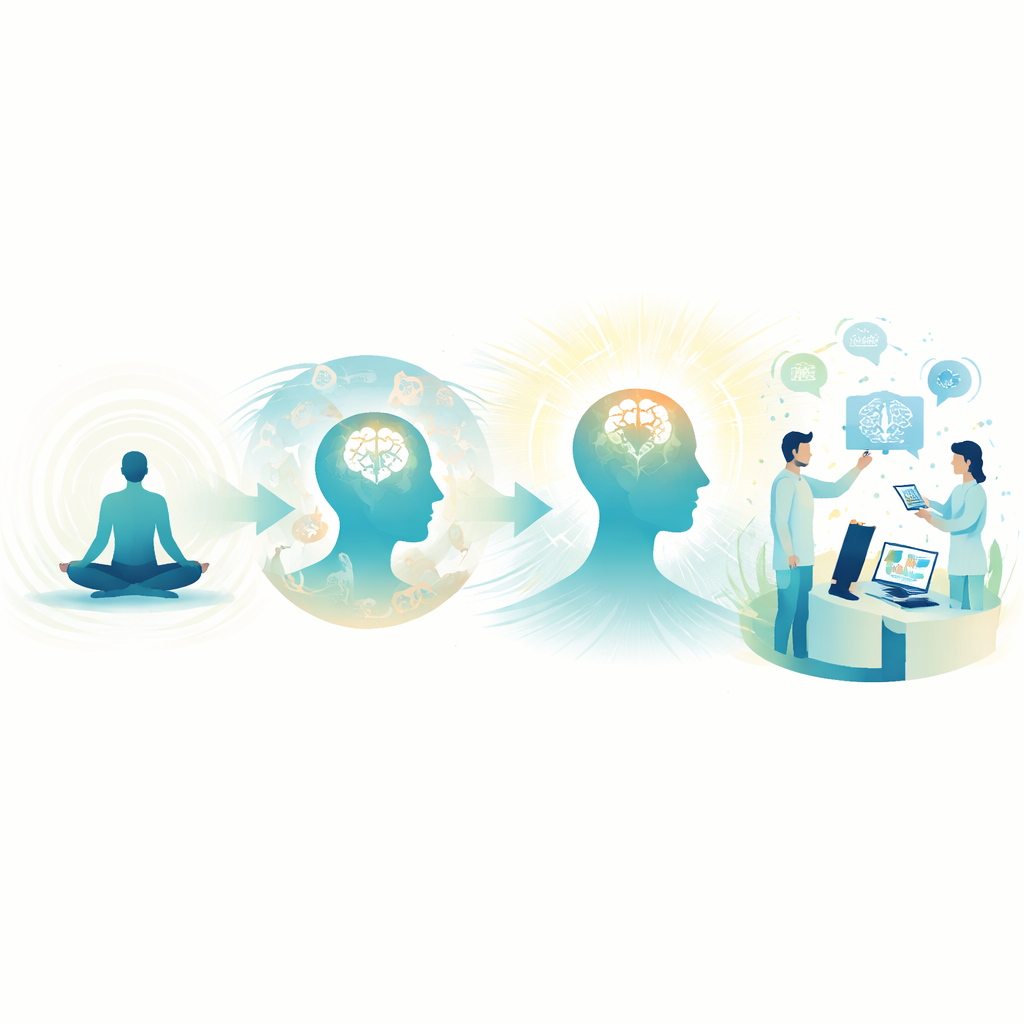
Looking Ahead to New Kinds of Minds
To a general reader, the article’s conclusion is that human psychology need not be limited to describing how we currently think and feel. Traditional Chinese thought shows what it looks like when a culture treats rare, perhaps never fully realized, mental states as serious targets, builds training around them, and lets them influence everyday life and social ideals. The authors argue that bringing this spirit into modern research—through carefully designed practices, clear ethical reflection, and testable hypotheses—could open a new chapter in psychology. In that chapter, science would not only explain our present minds, but also rigorously explore what our minds might yet become.
Citation: Li, X., Zhao, H., Xu, A. et al. Pursuing ideal mentalities: key features and contemporary contributions of traditional Chinese psychology. Humanit Soc Sci Commun 13, 487 (2026). https://doi.org/10.1057/s41599-026-06818-8
Keywords: ideal mentalities, traditional Chinese psychology, mindfulness and meditation, Buddhism Confucianism Daoism, ideal psychology