Clear Sky Science · en
Sanctified spaces: integrating ambient intelligence and smart environments into U.S. black baptist churches
Why Smarter Churches Matter
Across the United States, Black Baptist churches have long been more than places to pray. They are community anchors where people find help, hope, and a sense of belonging. This article explores how new “smart” technologies—tools that quietly sense what is happening in a room and respond—could be thoughtfully woven into these sacred spaces. The goal is not to turn churches into gadgets, but to use technology in ways that strengthen worship, protect vulnerable members, and support justice in communities that often face digital disadvantage.
What Makes a Church “Smart”
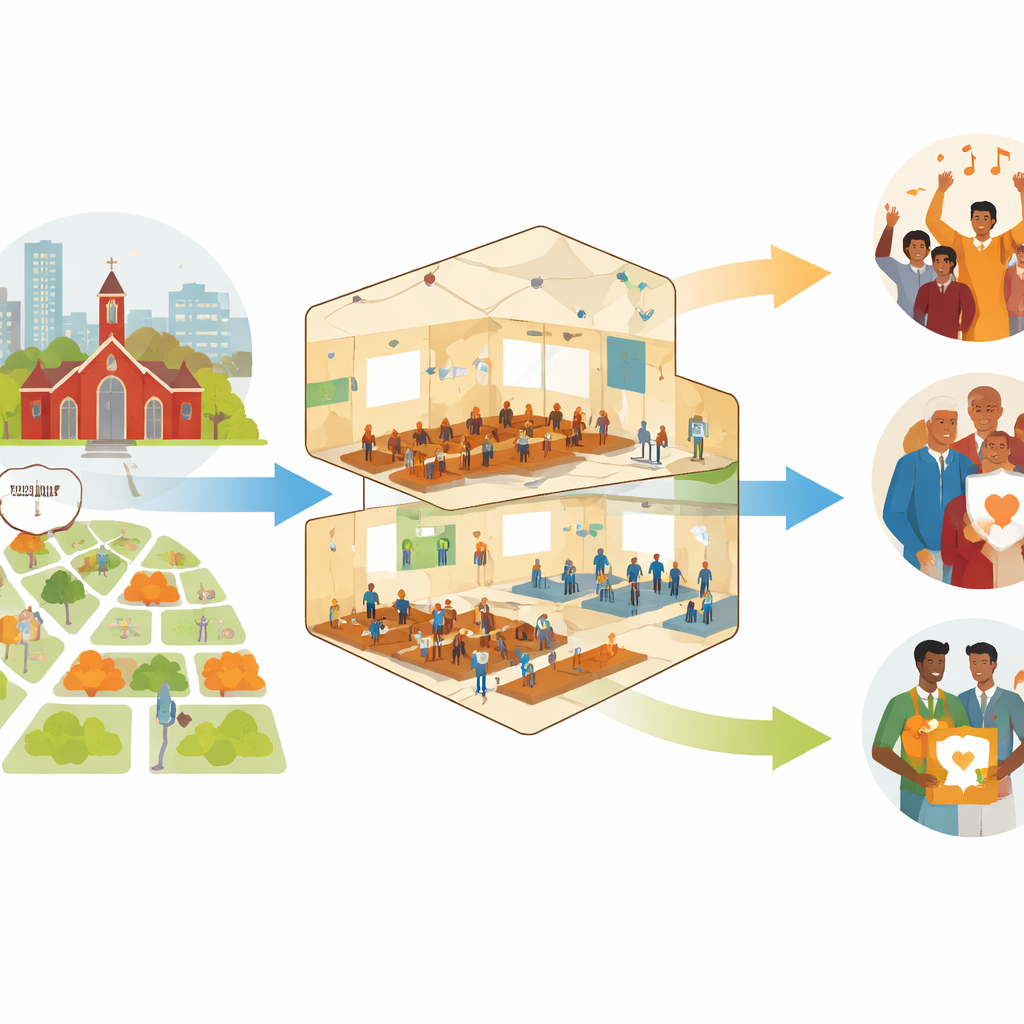
The paper introduces a Smart-Church Ecosystem, a big-picture model for how ambient intelligence and smart environments could serve everyday church life. Instead of focusing on flashy devices, the model centers on five familiar areas of ministry: worship and spiritual growth, care for elders and other vulnerable people, safety for children and property, learning and youth formation, and social outreach such as food pantries or counseling. In each area, quiet sensors, simple wearables, and responsive lighting or sound could help leaders notice needs faster and lower barriers to participation—for example, by making it easier for homebound seniors or deaf worshippers to share fully in the service.
Bridging Gaps Without Losing the Soul
Black churches already use livestreams, mobile apps, and online giving, but the article notes that many still lack reliable networks, training, or equipment. That shortfall became painfully clear during COVID-19, when congregations with better digital tools could keep serving people more effectively. At the same time, the paper insists that sacred spaces cannot copy-paste technology from hospitals or shopping malls. Because Black communities have lived with unfair surveillance and underinvestment, any smart system in church must be judged not just by convenience, but by whether it honors dignity, protects privacy, and fits the church’s spiritual identity. The author reframes common tech-adoption ideas in church language: people ask whether a tool truly serves ministry, whether it interrupts the flow of worship, and whether they can trust how data will be used.
Imagining Tangible Changes in Worship and Care
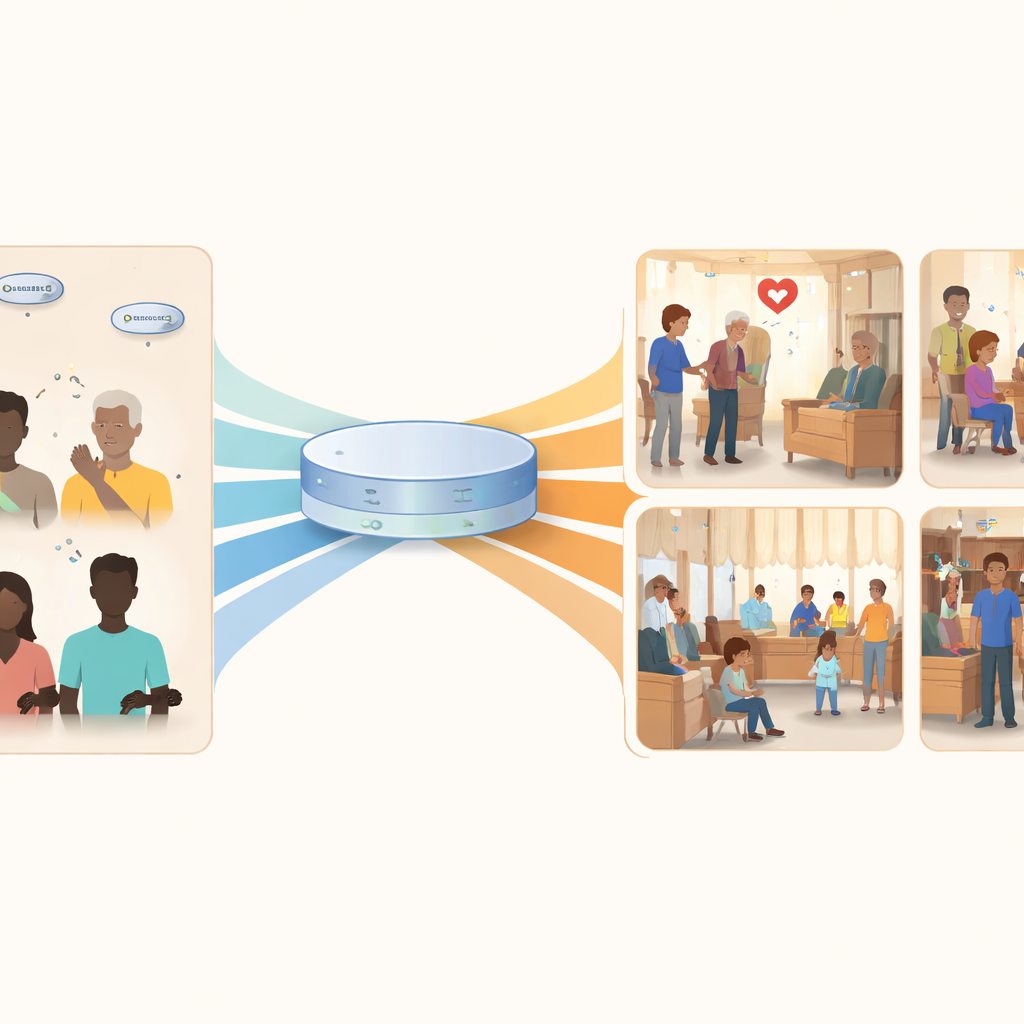
To make the vision concrete, the article sketches real possibilities. Pews might gently vibrate with music so that deaf congregants can feel the rhythm of a hymn. Wristbands worn by elders could quietly alert an usher if someone falls or has trouble breathing during service. Air-quality sensors could adjust lighting or send a prompt when a crowded room needs fresh air. Youth might use virtual or augmented reality to experience Bible stories in immersive ways, but always tied back to mentoring, Scripture reading, and service so that faith does not become just another game. In outreach, smart food pantries could signal when supplies are low or notify families when fresh food is ready, turning the church into a responsive neighborhood hub.
Designing With, Not Just For, the Congregation
The article argues that technology in churches must be designed with the community from the start. Pastors, deacons, elders, young adults, and ministry leaders should gather in workshops and roundtables to ask hard questions: What kind of sensing feels appropriate in worship, and what feels invasive? Who controls the data? How will older members be supported, and how will youth be guided, not just entertained? The paper proposes clear rules: collect only what is needed, limit how information can be reused, set time limits for storage, restrict access to a few trusted roles, and require voluntary “opt-in” for any health or identity data. A church-level data steward or ethics committee should have the power to slow or stop systems that drift away from the community’s values.
A Path Toward Brighter, Fairer Sanctuaries
In the end, the article concludes that smart technology can help Black Baptist churches become even stronger centers of care and connection—if it is treated as pastoral infrastructure rather than a novelty. A practical roadmap is laid out: first, teach and talk together about meaning and boundaries; second, adopt fair data practices; third, run small, low-risk trials that everyone can see and discuss; and finally, judge success by concrete signs of “communal flourishing,” such as better participation by seniors and disabled members, safer gatherings, deeper youth discipleship, and sustained trust. When approached this way, ambient intelligence does not replace the Spirit or the warmth of human ministry. Instead, it can quietly remove obstacles, making room for more people to fully experience belonging, safety, and hope inside sanctified, yet technologically just, spaces.
Citation: Henderson, M.D. Sanctified spaces: integrating ambient intelligence and smart environments into U.S. black baptist churches. Humanit Soc Sci Commun 13, 397 (2026). https://doi.org/10.1057/s41599-026-06756-5
Keywords: smart churches, Black Baptist congregations, ambient intelligence, digital equity, faith and technology