Clear Sky Science · en
Silage-induced modulation of rumen microbiota: a review of species-specific impacts on productivity and health
Why Preserved Forage Matters
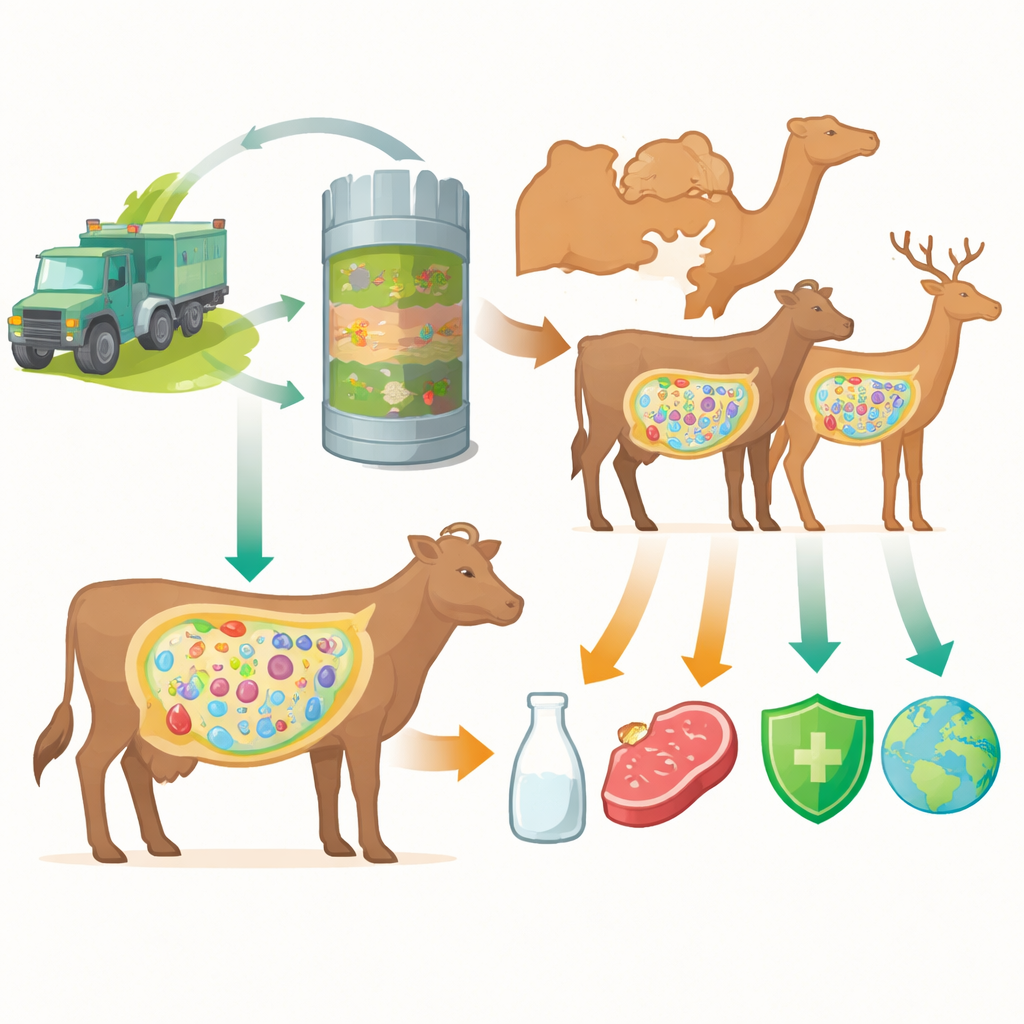
For many farmers, feeding cows, sheep, goats, camels, and deer through the year is a constant balancing act between seasons of plenty and months of scarcity. This review article explains how silage—fresh plants preserved by fermentation—does far more than simply store feed. By reshaping the microbes that live in the animals’ forestomach, or rumen, silage can boost growth and milk, strengthen natural disease defenses, and even cut climate‑warming emissions. It also warns that poorly made silage can have the opposite effect, seeding disease and reproductive problems, especially when different animal species are treated as if they were all the same.
How Fermented Feed Works Inside the Animal
Silage is made by packing chopped green plants into airtight storage so natural lactic acid bacteria ferment sugars and drop the pH, locking in nutrients. Once eaten, that fermented material enters the rumen, a giant fermentation vat filled with bacteria, fungi, and other microbes. These microbes break down plant fiber and leftover starch into small energy‑rich molecules called volatile fatty acids, which fuel the animal’s body and help keep its metabolism in balance. Different silage crops tilt this microbial ecosystem in different directions: corn silage, rich in starch, favors microbes that handle fast energy, while legume silages like alfalfa supply extra protein and support microbes that recycle nitrogen efficiently.
Good Bugs, Good Acids, Better Animals
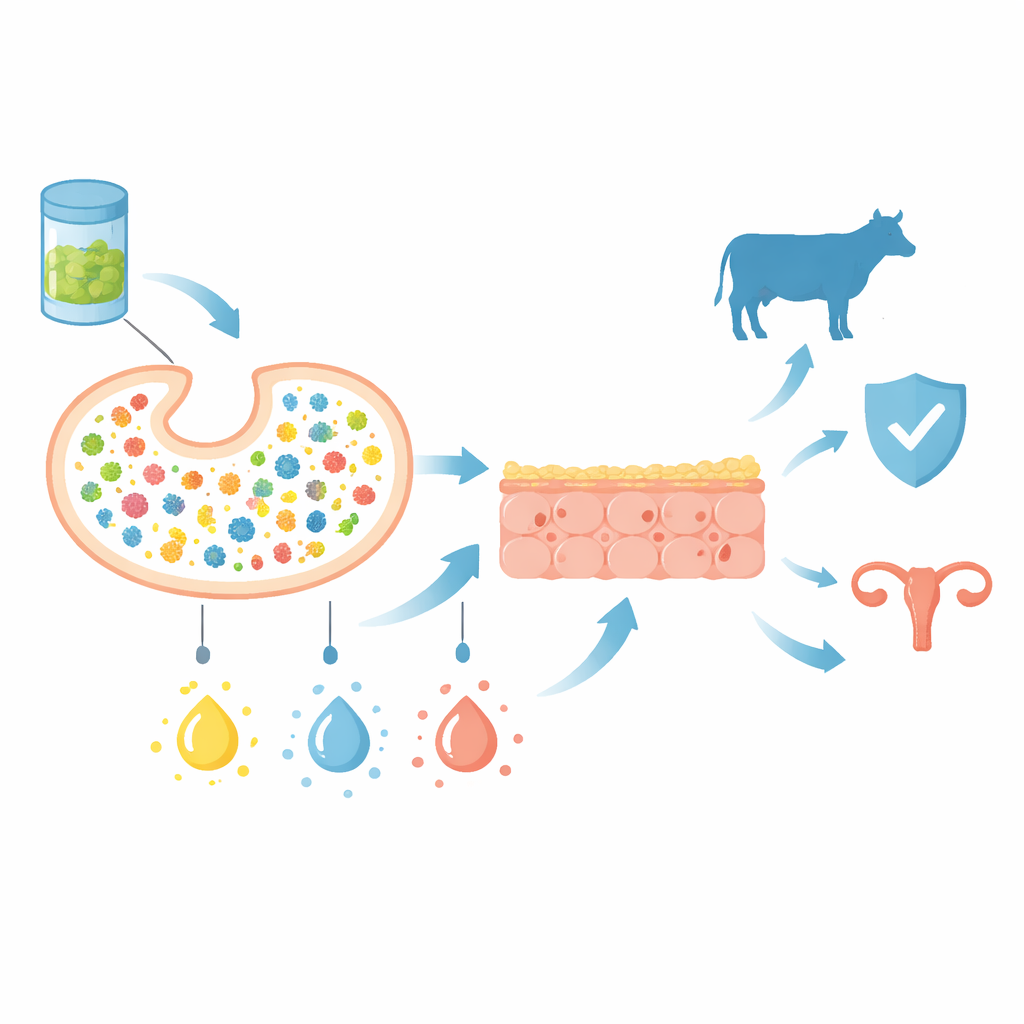
A central theme of the paper is that the acids and other compounds produced during fermentation are not just calories; they act like chemical traffic signals inside the animal. Lactic acid and related fatty acids shape which microbes thrive in the rumen. Their by‑products travel through the body, tuning immune cells, strengthening the gut lining, and even influencing appetite and stress responses through the gut–brain connection. When silage is made with carefully chosen lactic acid bacteria, these microbes can survive into the rumen, help crowd out harmful species, and shift fermentation so more useful acids are produced. The result can be higher feed use efficiency, more milk and meat, and less methane belched into the atmosphere.
From Extra Milk to Stronger Immunity
The review pulls together many animal studies showing how smart silage design plays out on the farm. In dairy cows, combinations of corn and alfalfa silage can synchronize energy and protein release so that both milk volume and milk fat stay high. In goats and sheep, silages made from carrot tops or mulberry leaves preserve vitamins and plant antioxidants that pass into milk or meat and enhance the animals’ own antioxidant systems. Some lactic acid bacteria can release plant compounds like ferulic acid from the forage, further boosting antioxidant defenses and calming inflammation. The right moisture content and fermentation profile are also crucial; silage that is too dry or too wet tends to mold or ferment in the wrong way, undercutting feed intake, milk yield, and animal health.
When Preserved Feed Turns Dangerous
Not all silage is beneficial. If the fermentation process is poorly managed, molds flourish and produce mycotoxins—potent chemicals that can damage DNA, disrupt hormones, and weaken immunity. These toxins, along with harmful bacteria in spoiled silage, can slip through the rumen, enter the bloodstream, and reach organs such as the liver, testes, ovaries, and uterus. The article describes a "silage–rumen–uterus" pathway, where microbes and toxins from feed end up colonizing the reproductive tract, contributing to uterine infections, infertility, and problem pregnancies. Bad silage also destabilizes rumen microbes, leading to acid build‑up, poor fiber digestion, and metabolic diseases like subacute ruminal acidosis.
Different Animals, Different Needs
A striking message of the review is that ruminant species are not interchangeable. Cattle, sheep, goats, camels, and deer differ in rumen size, digestion speed, typical diet, and natural exposure to plant toxins. Dairy cows are well adapted to high‑silage, high‑energy diets but are very sensitive to certain mycotoxins. Camels, shaped by desert environments, tolerate salty, toxin‑rich plants and may handle lower‑quality silage better than cattle. Deer and young animals of all species can be especially vulnerable to both abrupt diet changes and feed‑borne toxins. Yet most silage quality rules and safety limits for contaminants are based on cows alone, which can lead to over‑ or under‑protection in other species.
A Roadmap for Healthier, Greener Livestock
In plain terms, the article concludes that silage can be a powerful tool for “green efficiency”—getting more milk and meat from the same land while using fewer drugs and lowering pollution—if it is managed with precision. That means controlling each stage of fermentation, choosing microbial starters and crops that support a healthy rumen, preventing mold and mycotoxin build‑up, and tailoring silage types and safety thresholds to each animal species and life stage. The authors call for advanced DNA‑ and chemistry‑based studies to map the full chain from silage ingredients to rumen microbes to animal cells, so that farmers can move from one‑size‑fits‑all recipes to truly species‑specific, sustainable feeding strategies.
Citation: Zhong, S., Liu, Y., Li, H. et al. Silage-induced modulation of rumen microbiota: a review of species-specific impacts on productivity and health. npj Vet. Sci. 1, 8 (2026). https://doi.org/10.1038/s44433-026-00003-y
Keywords: silage, rumen microbiota, ruminant nutrition, mycotoxins, lactic acid bacteria