Clear Sky Science · en
Healthcare satisfaction and associated factors between insured and uninsured women in the Sidama region, Ethiopia
Why women’s healthcare experiences matter
When women feel respected and well cared for at clinics and hospitals, they are more likely to seek help early, follow treatments, and keep their families healthy. In many low income countries, however, the cost of care and social expectations can make it hard for women to get the services they need. This study from the Sidama region of southern Ethiopia looks closely at how satisfied women are with their healthcare and how a community based health insurance program may improve their experiences.
Looking at insured and uninsured women
The researchers surveyed 1,060 women in central Sidama, half enrolled in community based health insurance and half not enrolled. All had used health services in the previous year. Instead of treating each woman’s experience as isolated, the team recognized that women live within villages and neighborhoods that share resources, customs, and health facilities. They used statistical methods that account for these layered communities to compare satisfaction scores and to explore which personal and community factors were linked to better or worse experiences of care.
What the women said about their care
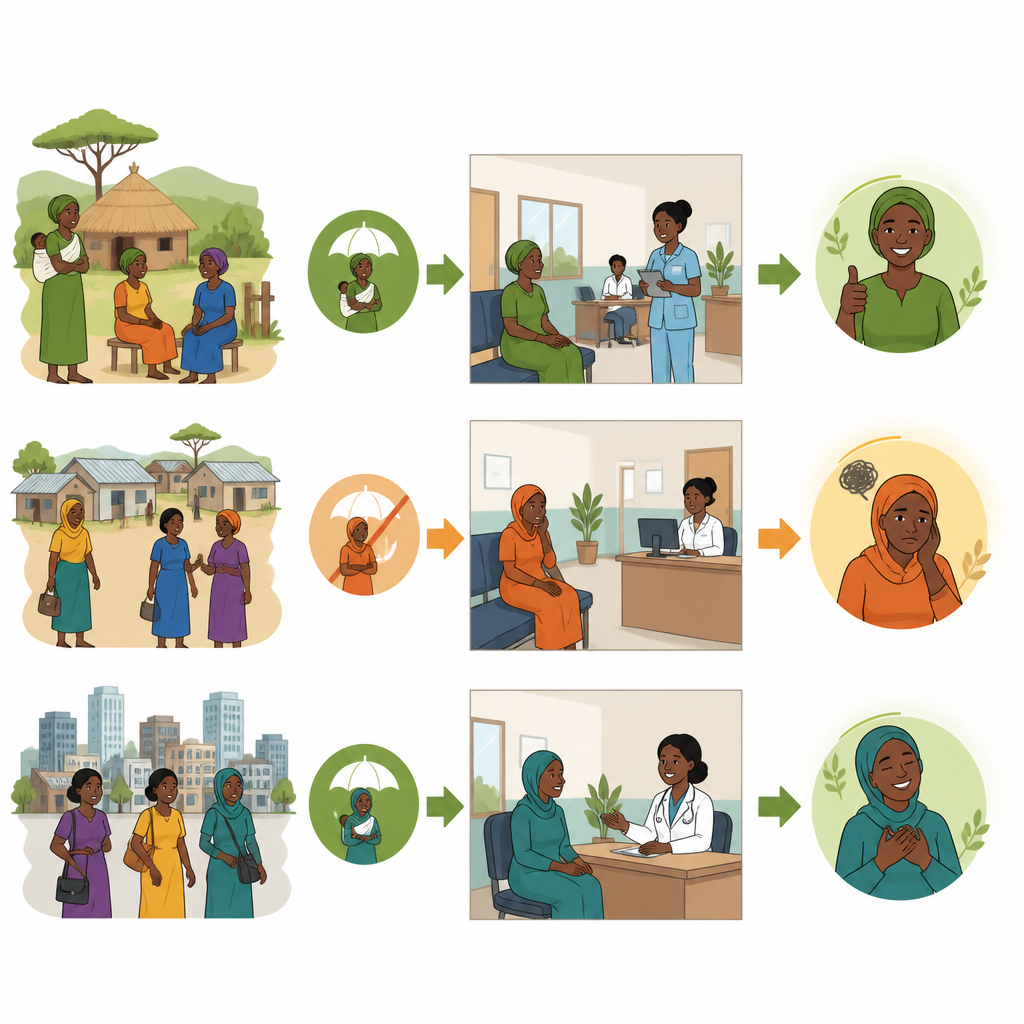
Overall, both insured and uninsured women reported fairly high satisfaction, but insured women rated their care slightly higher and with less variation. Their scores tended to cluster toward the top of the satisfaction scale, while uninsured women’s scores were more spread out. The analysis showed that, after taking other influences into account, membership in the insurance scheme was linked with a modest but real increase in satisfaction. This suggests that knowing fees are covered and visits are affordable helps women feel more positive about the care they receive.
Power, poverty, and place
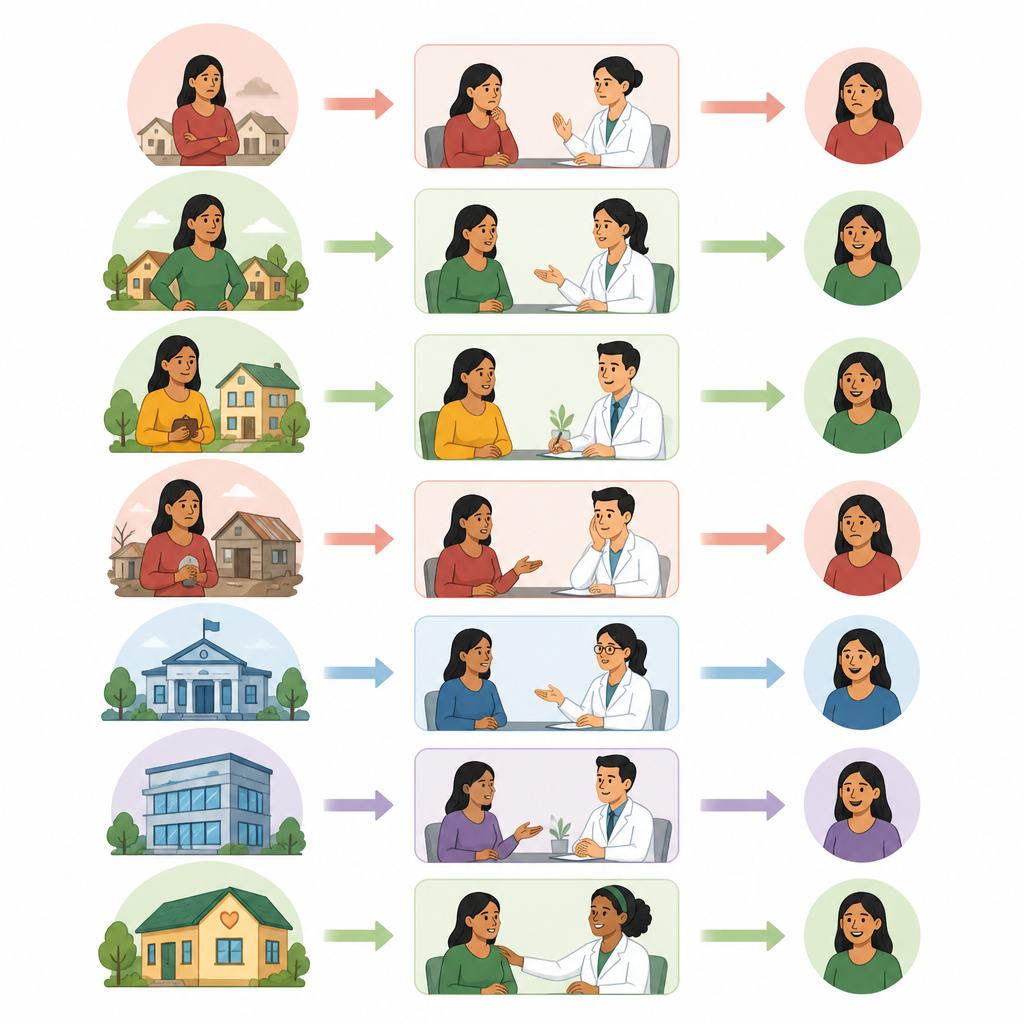
Beyond insurance, the study found that the social and economic setting of a woman’s life strongly shaped her experience. In communities where women had more say in household and personal decisions, satisfaction with healthcare was higher, for both insured and uninsured participants. In contrast, living in poorer communities lowered satisfaction among insured women, likely because crowded clinics, thinly stretched staff, and limited supplies can dampen the benefits of having coverage. The type of facility also mattered. Women who used non governmental or private centers tended to be more satisfied than those who went to government facilities, hinting at differences in waiting times, communication, and comfort.
When expectations and outcomes clash
Health outcomes and wealth also influenced how women viewed their care. Women who were left with a disability after treatment reported much lower satisfaction than those who recovered, reflecting the emotional weight of lasting health problems. Surprisingly, women in the richest households were less satisfied than the poorest, regardless of insurance status. The authors suggest that better off women may expect more personalized and convenient services and feel disappointed when public or basic insurance supported care does not meet those expectations, while poorer women may be more appreciative of any affordable care they can access.
What this means for women’s health
This study shows that community based insurance in Sidama is linked with higher satisfaction among women, but it is only part of the story. Women’s decision making power, the wealth of their communities, the kind of clinics they can reach, and the results of their treatment all shape how they feel about healthcare. To truly improve women’s experiences, policies must do more than expand insurance. They need to reduce economic gaps, strengthen public facilities, and support women’s autonomy so that every woman, insured or not, can receive care that feels accessible, respectful, and effective.
Citation: Debessa, K.C., Negeri, K.G. & Dangisso, M.H. Healthcare satisfaction and associated factors between insured and uninsured women in the Sidama region, Ethiopia. npj Health Syst. 3, 31 (2026). https://doi.org/10.1038/s44401-026-00096-x
Keywords: community health insurance, women’s healthcare, patient satisfaction, Ethiopia, health equity