Clear Sky Science · en
Unraveling the genetic landscape and admixture dynamics of urban populations across Peru
Why city genetics in Peru matter
Across Peru, people living in cities carry genetic stories that stretch from ancient Indigenous civilizations to colonial rule and global migration. This study looks inside the DNA of hundreds of urban Peruvians to understand where their ancestors came from, how different groups mixed over time, and why that history still shapes health and identity today. Because Latin Americans are often left out of genetic research, uncovering this hidden history is not only a matter of science, but also of fairness in future medical advances.
Many roots in one country
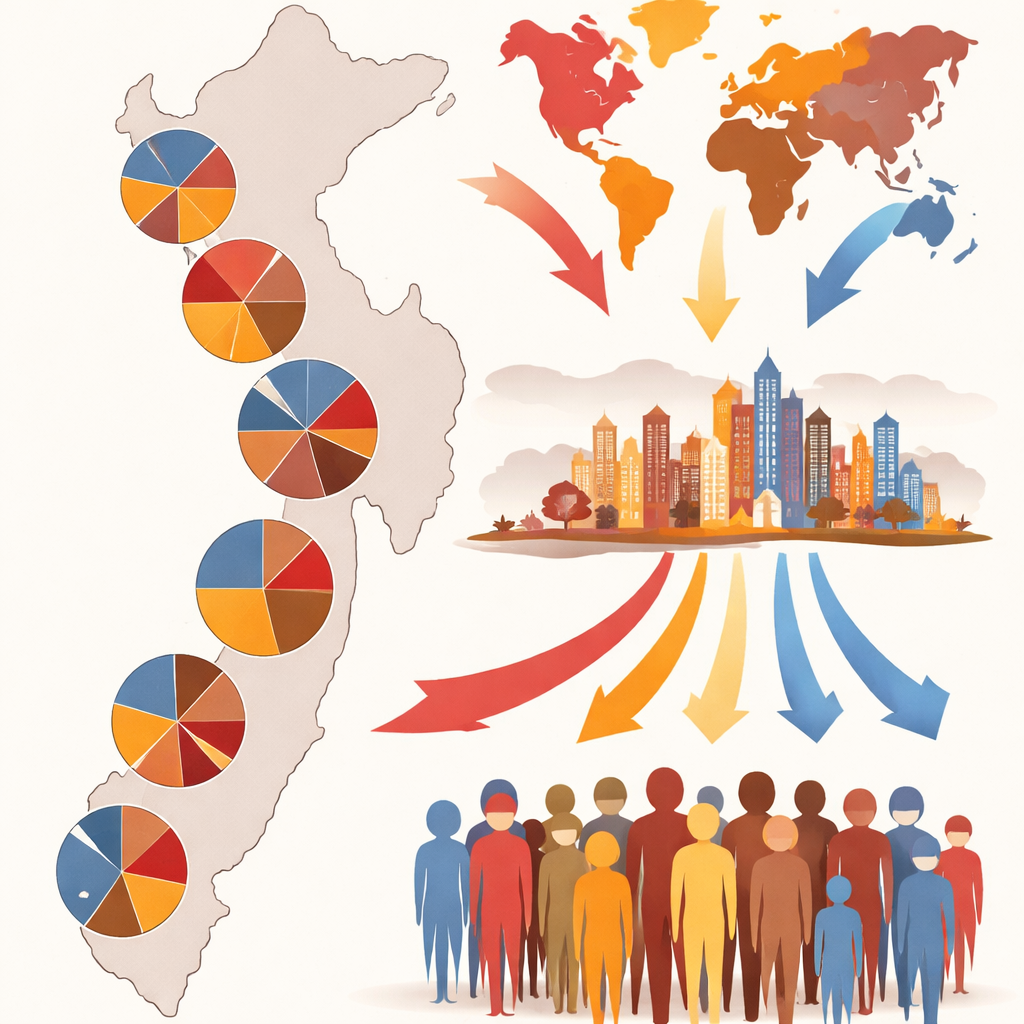
The researchers analyzed genome-wide data from 432 people living in 13 cities and towns across Peru, from coastal communities to highland cities and the Amazon. Most volunteers identified as “mestizo,” a common social label for mixed ancestry. By comparing their DNA to that of Indigenous, European, African, and East Asian reference groups, the team found that urban Peruvians typically carry a high proportion of Indigenous American ancestry, often above 60 percent, with additional contributions mainly from Europe and Africa and smaller amounts from East Asia. These mixtures reflect centuries of migration, forced labor, and settlement, but also show that Indigenous genetic heritage remains central even in large modern cities like Lima.
A north–south story that never disappeared
Although cities are often seen as melting pots, the genetic patterns within Peru’s urban populations still closely follow the country’s geography. When the team focused specifically on Indigenous ancestry, they saw a clear north–south split that mirrors patterns previously documented in Native communities and in archaeological and linguistic evidence. Northern cities tend to show more ancestry linked to coastal and Amazonian Indigenous groups, while southern cities lean toward highland Andean ancestries, including a component associated with present-day Aymara speakers. In other words, moving to cities and generations of mixing did not erase older regional differences; instead, those deep roots continue to shape the genetic makeup of today’s urban residents.
How mixing unfolded over generations
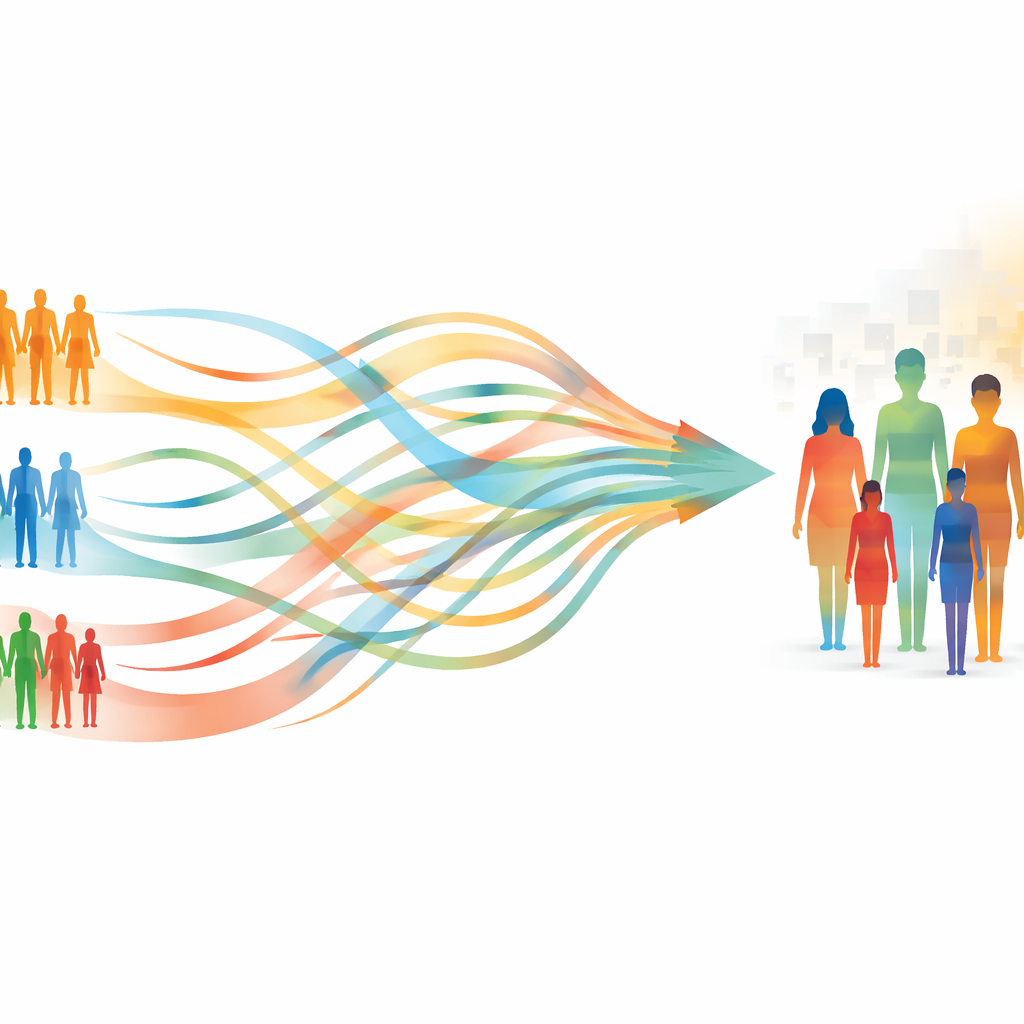
To reconstruct when and how different groups mixed, the scientists examined how stretches of DNA from different ancestries are arranged along the genome. Their analyses point to at least two main waves of mixing. The most recent major events took place roughly 8–12 generations ago—about 215 to 320 years—during colonial and early republican times. By then, one of the sources was already a mixed group that combined European and African ancestry, while the other was largely Indigenous. Earlier, Europeans and Africans had already mixed among themselves, especially in coastal regions where enslaved Africans were brought to work in plantations and mines. Smaller but detectable East Asian ancestry, mostly linked to Chinese and some Japanese migrants who arrived as contract laborers after slavery was abolished, is concentrated in a few coastal cities.
Movement, growth, and unequal histories
The study also looked at how much DNA is shared among people in different cities, which gives clues about past migration and population size. Southern urban centers, such as Arequipa, Juliaca, and Tacna, share more genetic material with one another than northern cities do, suggesting frequent movement among communities in the south that began long before the colonial period and has continued into recent generations. Lima stands out for strong signals of recent population growth, consistent with heavy migration from both rural Indigenous areas and other cities, especially during the latter half of the twentieth century and periods of internal conflict. In contrast, the largely Afro-Peruvian community of El Carmen shows signs of a shrinking and more isolated population. By comparing ancestry on the X chromosome with the rest of the genome, the researchers also found that European ancestry tends to be higher in DNA passed more often through fathers, while Indigenous ancestry is relatively enriched in DNA passed more often through mothers, revealing a long-standing pattern of sex-biased mixing rooted in colonial power imbalances.
What this means for people today
Together, these findings portray urban Peruvians not as a homogeneous “mixed” population, but as communities whose genetic make-up still reflects distinct regional histories, ancient networks of travel, colonial labor systems, and modern urban migration. For a lay reader, the key message is that DNA carries a layered record of Peru’s past—Indigenous civilizations, European conquest, African slavery, and Asian migration all leave traces that remain visible in the genomes of city dwellers today. Because Latin American populations are underrepresented in medical genetics, mapping this rich diversity is essential for designing fairer health studies, interpreting genetic risk correctly, and ensuring that future genomic medicine benefits the people whose histories it seeks to understand.
Citation: Borda, V., Caceres, O., Sanchez, C. et al. Unraveling the genetic landscape and admixture dynamics of urban populations across Peru. Commun Biol 9, 410 (2026). https://doi.org/10.1038/s42003-026-09671-2
Keywords: Peru genetics, urban ancestry, Indigenous heritage, population history, Latin America genomics