Clear Sky Science · en
Molecular profiling of breast cancer in native American women reveals distinct genomic and transcriptomic features
Why this research matters
Breast cancer does not affect all women in the same way, and Native American women have been largely left out of the genetic studies that guide today’s treatments. This article describes one of the first in-depth looks at the DNA and RNA changes inside breast tumors from Native American women, and compares them to tumors from White women. Understanding these differences may help explain unequal outcomes and is a first step toward more precise, fair cancer care.
Looking inside tumors from an overlooked community
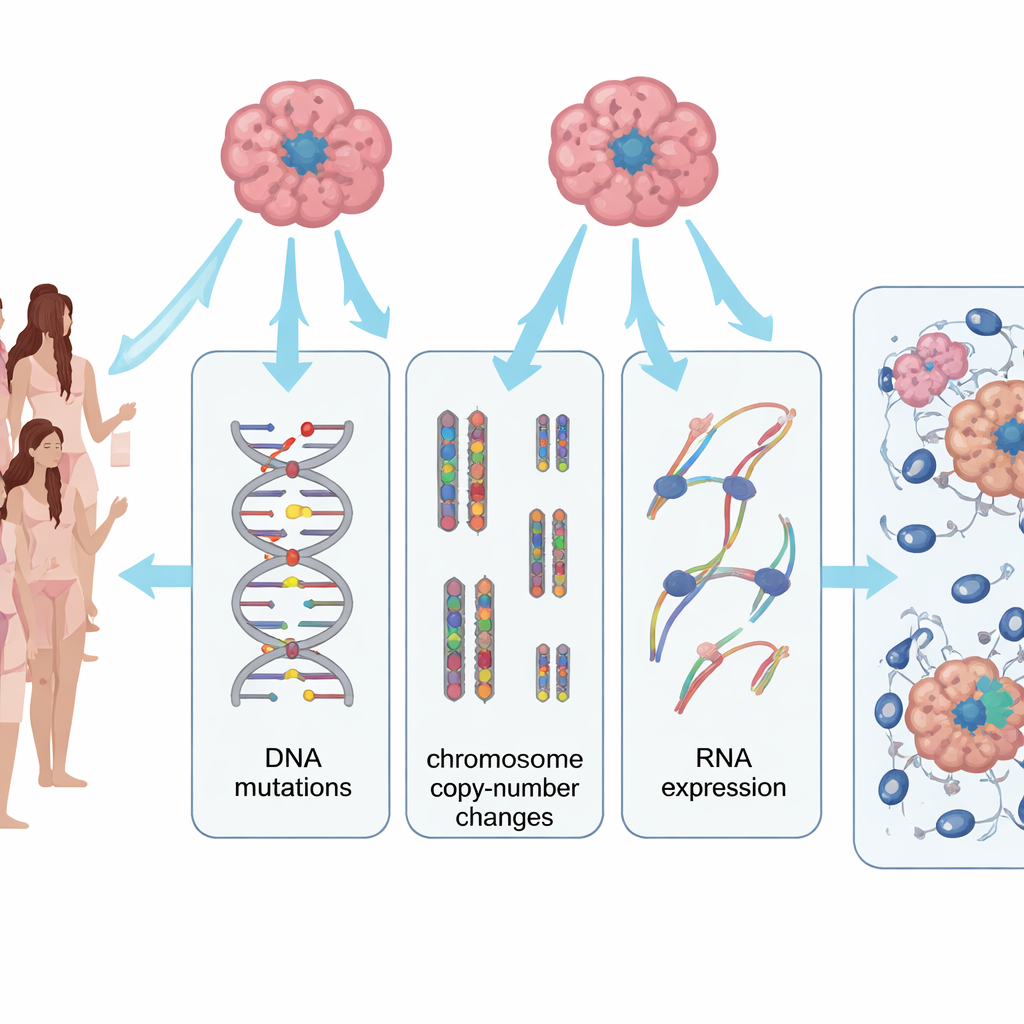
The researchers analyzed tumor samples from 17 Native American women and compared them with hundreds of tumors from White women in a large national cancer database. For every Native American tumor, they measured three kinds of molecular information: DNA mutations, changes in the number of gene copies, and activity levels of thousands of genes. By lining these layers up side by side, they could see not just single gene changes, but whole patterns that distinguished the two groups.
Shared cancer genes, plus important differences
Many of the usual breast cancer players showed up in both groups. Key genes that drive tumor growth, such as those controlling cell division and survival, were commonly altered in Native American and White tumors alike. But when the team looked more closely, they found that some genes were mutated much more often in the Native American tumors. These included genes involved in how DNA is packaged and read, how cells decide their fates, and how the immune system recognizes abnormal cells. In contrast, no genes were significantly more mutated in White tumors in this dataset, suggesting that certain weaknesses may be especially common in Native American tumors.
Different ways the genome is reshaped
Another layer of difference lay not in single mutations, but in how many copies of certain genes the tumors carried. White tumors tended to have many more broad gains of whole chromosome arms, which can increase levels of cancer-promoting genes and boost DNA repair machinery. Native American tumors, on the other hand, showed fewer large gains but more scattered losses in regions tied to maintaining genome stability. This pattern hints that the two groups of tumors may arrive at cancer through somewhat different routes: one by piling on extra copies of helpful genes, the other by losing important safeguards.
Immune visibility and repair pathways
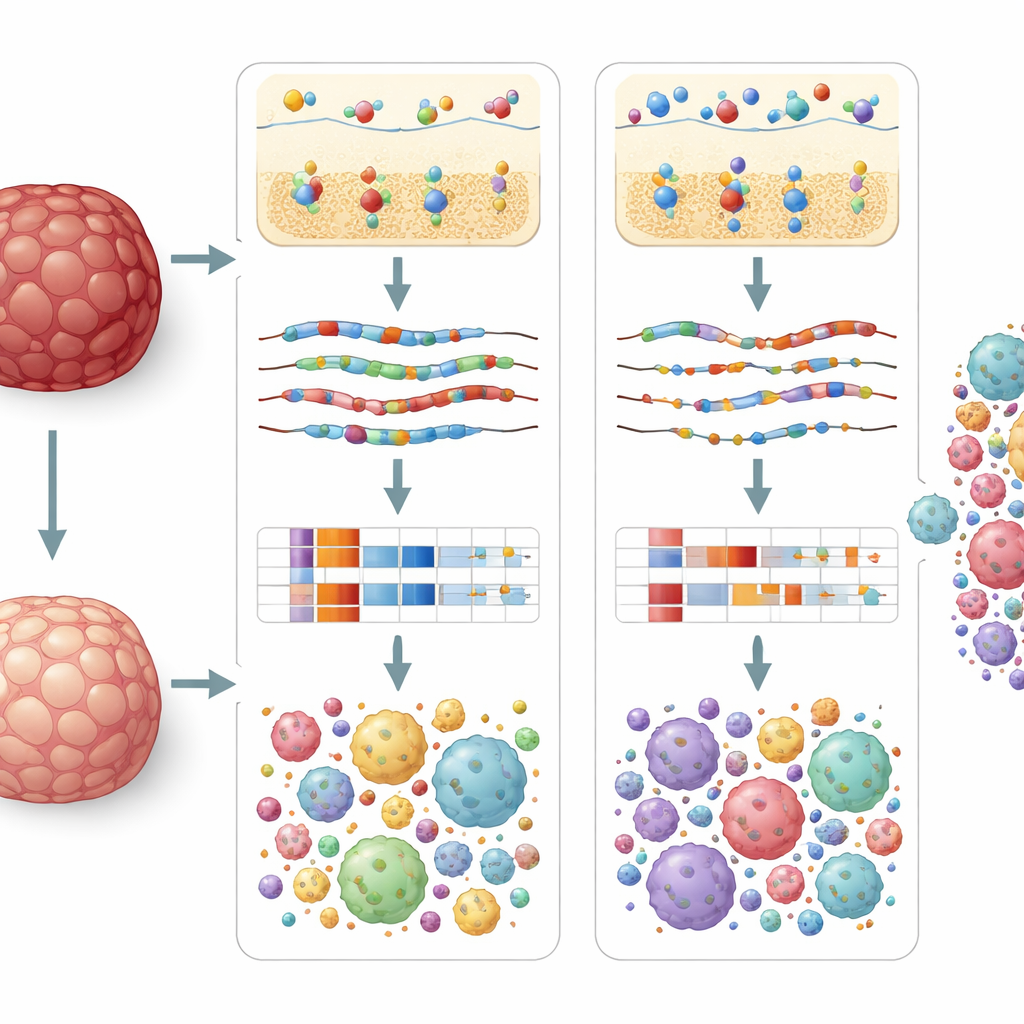
The most striking contrasts involved the relationship between tumors and the immune system. In Native American tumors, genes that help immune cells “see” abnormal proteins on tumor cells—especially those in a family called class II molecules—were often mutated or altered, potentially making the tumors less visible to immune attack. In White tumors, related but distinct genes that present signals to immune cells tended to be increased in number and activity, and genes linked to immune checkpoints were often gained, suggesting tumors that remain visible but may dampen the immune response. Differences also emerged in how tumors from each group handled DNA damage: Native American tumors more often carried harmful changes in repair genes, while White tumors more often had extra copies of repair genes, which might bolster their ability to fix damage.
What this means for patients and future care
In plain terms, this study shows that breast tumors in Native American women can be wired differently from those in predominantly studied White populations. These differences touch on how tumors grow, how they interact with the immune system, and how they respond to DNA damage—all crucial factors for choosing effective treatments. The work does not yet translate into specific drug decisions, and the number of Native American samples is still small. But it provides an essential first map of tumor biology in an underserved population and lays the groundwork for larger, community-guided studies that could one day improve screening, prognosis, and personalized therapies for Native American women with breast cancer.
Citation: Guo, F., Littlepage, L.E., Stack, M.S. et al. Molecular profiling of breast cancer in native American women reveals distinct genomic and transcriptomic features. npj Precis. Onc. 10, 175 (2026). https://doi.org/10.1038/s41698-026-01373-6
Keywords: breast cancer genomics, Native American health, tumor immune pathways, precision oncology, health disparities