Clear Sky Science · en
Cytokines and immunologic checkpoint molecules in predicting success of allergen immunotherapy
Why some allergy shots help and others do not
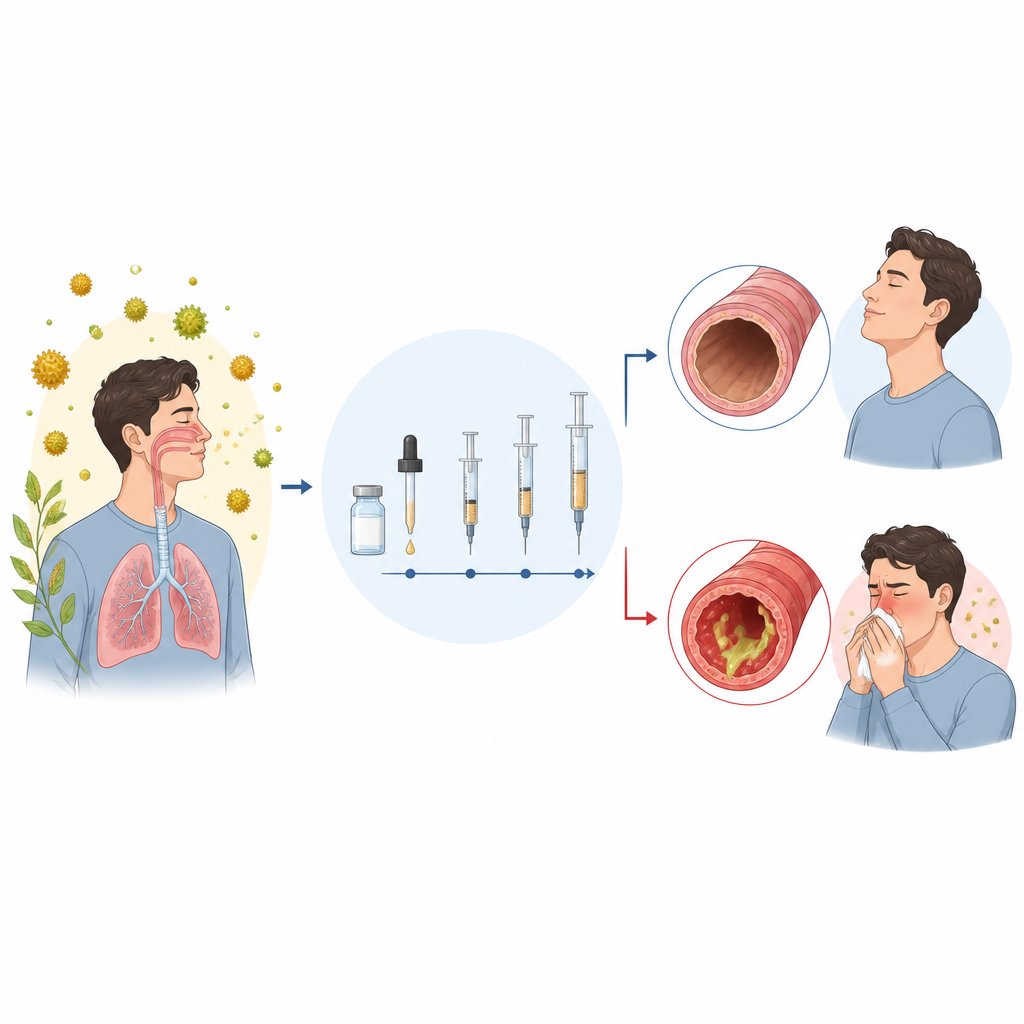
Many people with hay fever turn to allergy shots hoping for lasting relief, yet not everyone gets better. Doctors would love a simple blood test to show who is likely to benefit before starting years of treatment. This study asked whether tiny signaling proteins in the blood, which help steer the immune system, could serve as such a test for people allergic to grass and birch pollen.
Looking for clues in the immune system
Allergic nose symptoms arise when the immune system overreacts to harmless pollen. Cells in the body talk to each other using small messenger proteins often called immune signals. Some of these signals drive allergy, while others calm it down. The researchers focused on two groups of these messengers in blood samples taken before treatment. One group was a broad set of immune signals, and the other group included so called checkpoint proteins that help keep immune reactions from going too far.
How the study was set up
The team drew on an earlier group of adults scheduled to receive allergy shots against grass or birch. From this larger pool, they selected sixty people: thirty whose symptoms later improved with treatment and thirty whose symptoms did not. All had given a blood sample before starting therapy. Using advanced lab tests, the scientists measured the levels of ninety two immune signals and fourteen checkpoint proteins and then compared these levels between people who improved and those who did not.
Testing patterns with data science
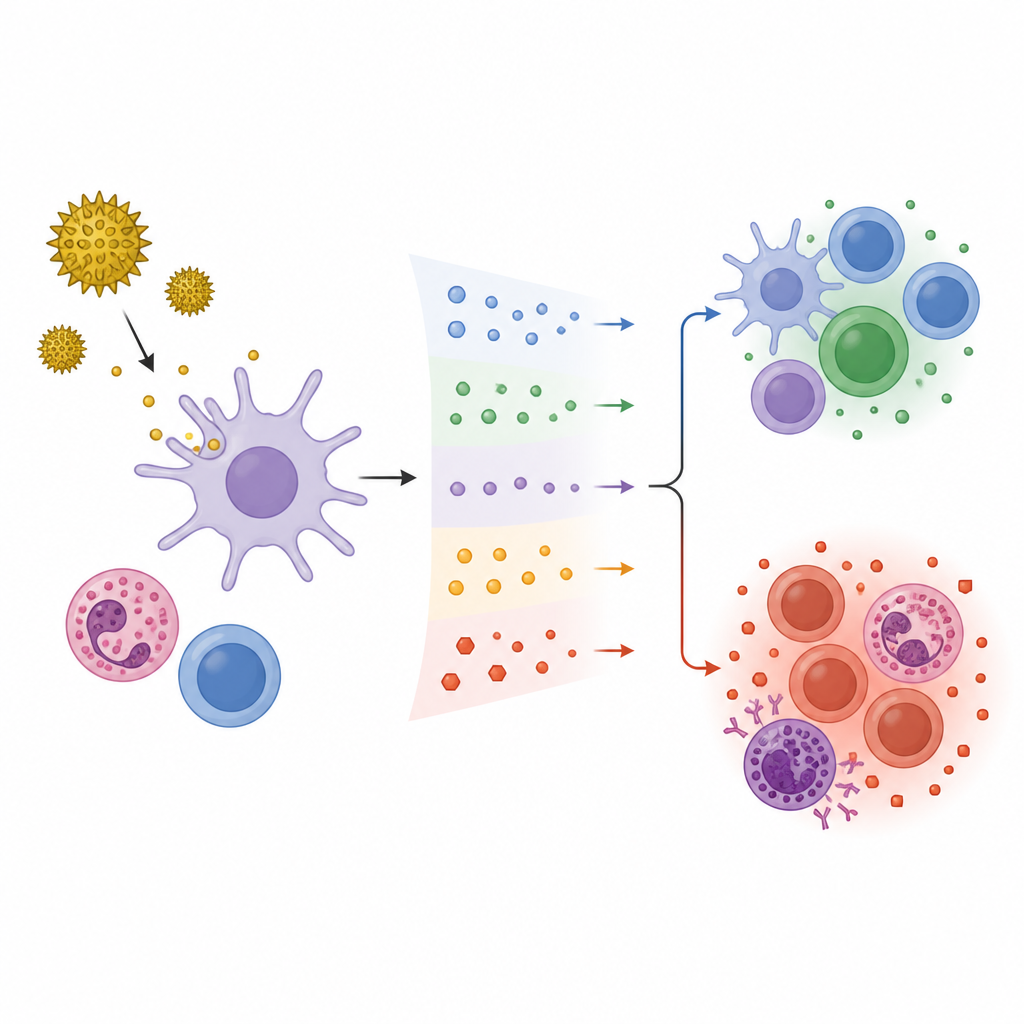
Instead of looking only at one protein at a time, the researchers also asked whether patterns across many proteins might matter. They applied several forms of computer based pattern finding, including methods that try to sort people into groups and methods that try to predict who will respond to treatment. These tools can sometimes uncover subtle combinations that are invisible to simpler comparisons. The study also explored whether people could be sorted into hidden subtypes based solely on their immune protein patterns.
What the results revealed
Across all these approaches, no clear signal emerged. Individual immune proteins showed no reliable differences between people who did and did not improve once the analyses were corrected for the large number of tests. The prediction models based on many proteins at once did little better than chance when asked to guess who would benefit from allergy shots. Even when people were grouped into three clusters based on their immune profiles, these clusters did not match real world features such as symptom patterns or treatment success.
What this means for patients and doctors
For now, a simple blood test measuring these particular immune signals cannot tell who will gain from grass or birch allergy shots. The study suggests that the body’s response to this treatment is shaped by more complex and changing factors than a single pre treatment snapshot can capture. Future work following patients over time and including larger and more varied groups may uncover more useful markers. Until then, decisions about allergy shots will still rely mainly on symptoms, examination, and shared discussion between patients and clinicians.
Citation: Berge, M., Hultgren, O., Hugosson, S. et al. Cytokines and immunologic checkpoint molecules in predicting success of allergen immunotherapy. Sci Rep 16, 15356 (2026). https://doi.org/10.1038/s41598-026-53894-6
Keywords: allergen immunotherapy, allergic rhinitis, biomarkers, cytokines, immune checkpoints