Clear Sky Science · en
Pre-treatment vitamin D insufficiency predicts severe paclitaxel-induced sensory neuropathy in breast cancer patients: a prospective cohort study
Why this study matters for people with breast cancer
Many women receiving chemotherapy for breast cancer develop tingling, numbness, or burning pain in their hands and feet, a problem called nerve damage. These symptoms can linger for years and sometimes force doctors to reduce or stop lifesaving drugs like paclitaxel. This study asks a simple but important question: does having low vitamin D before treatment make this nerve damage more likely, and could checking vitamin D levels become a practical way to protect patients?
A common treatment with a hidden cost
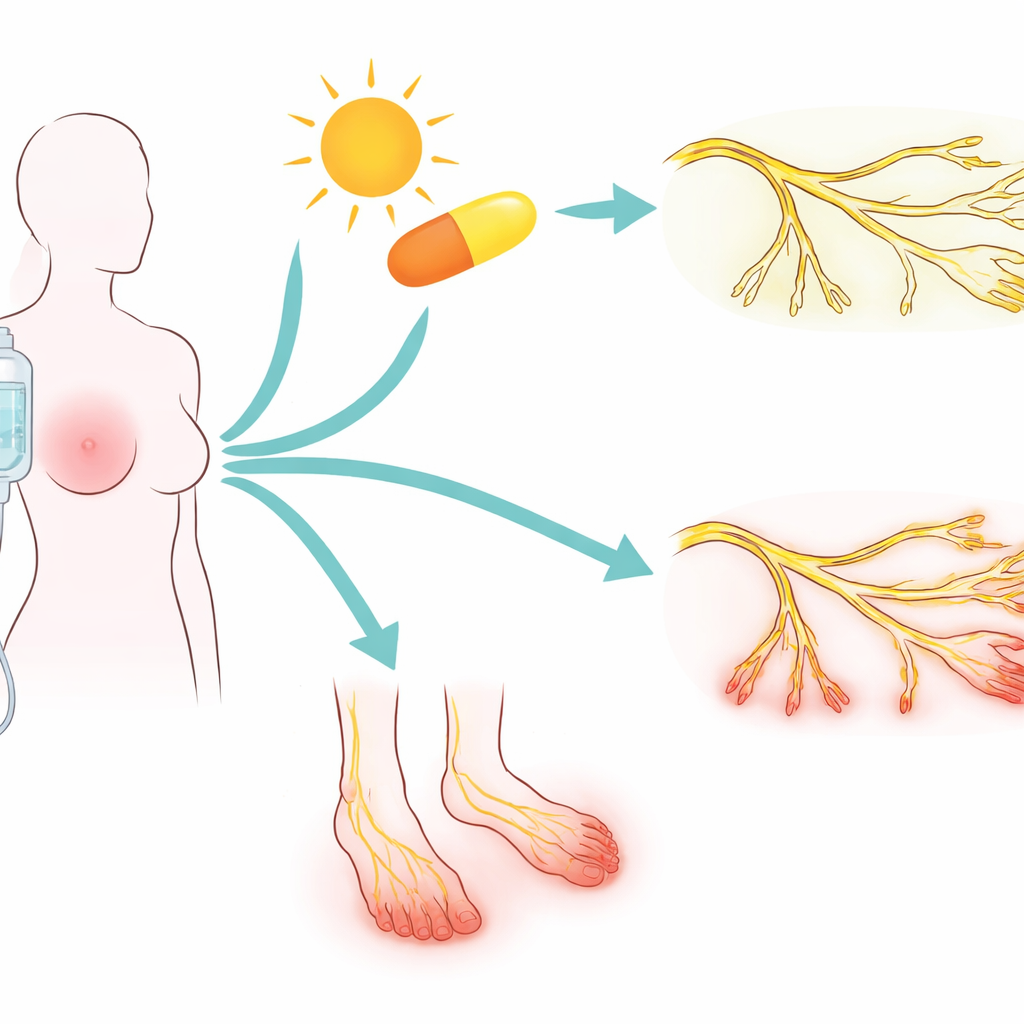
Paclitaxel is a standard drug used to treat several types of breast cancer and has helped improve survival for many patients. However, it often injures the long nerves that run to the hands and feet, leading to chemotherapy-induced peripheral neuropathy. About seven in ten people on paclitaxel feel some degree of nerve symptoms, and up to three in ten develop severe problems that interfere with daily tasks such as buttoning clothes, walking, or maintaining balance. At present, doctors have few reliable tools to predict who is most at risk or to prevent this side effect before it starts.
Taking a closer look at vitamin D and nerve health
The researchers followed 300 women in Egypt with early-stage breast cancer who were scheduled to receive paclitaxel. Before chemotherapy began, each woman had a blood test to measure vitamin D. Levels at or below 20 ng/mL were considered low. The team then tracked nerve symptoms using a detailed questionnaire that patients completed before treatment, every week during chemotherapy, and up to two years afterward. They focused on severe sensory problems—painful or disabling tingling and numbness in the hands and feet that seriously limit self-care.
What the study found about risk
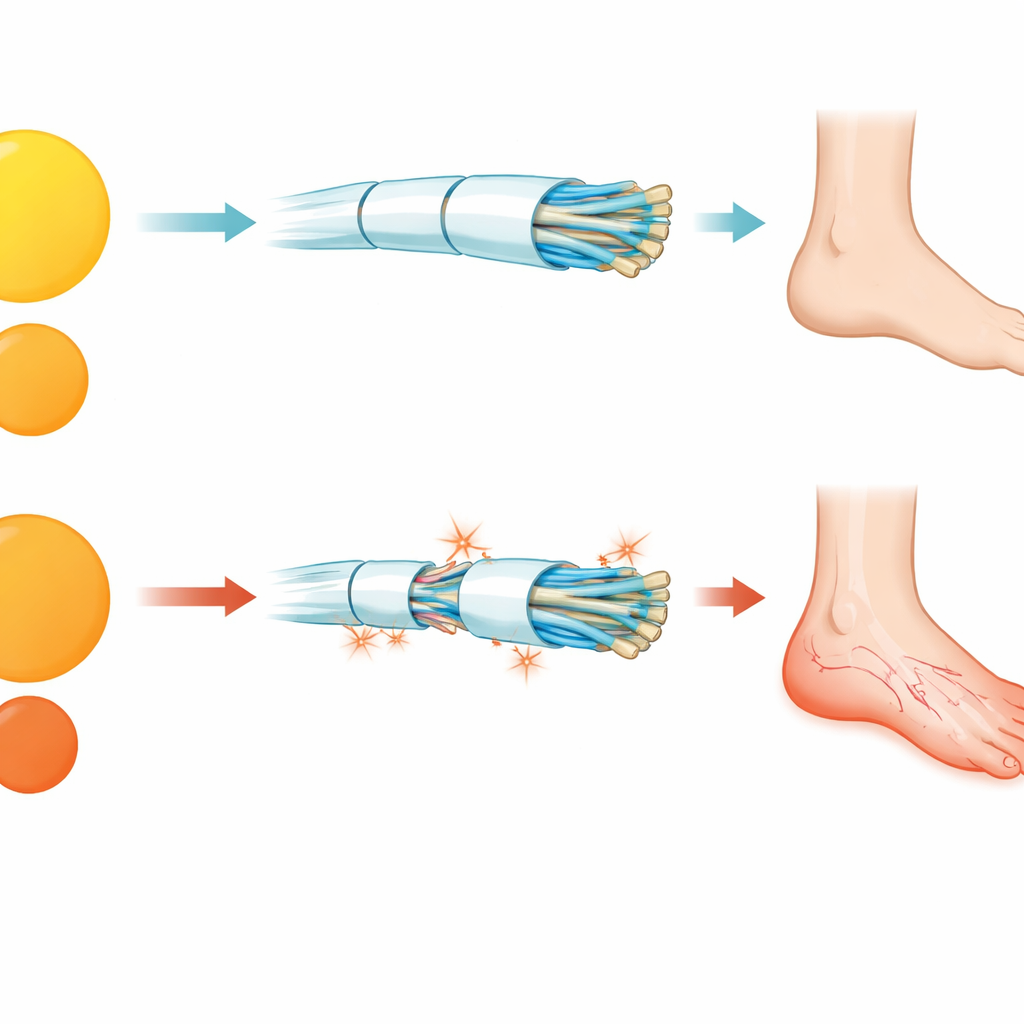
Low vitamin D was strikingly common: nearly 40% of the women had insufficient levels, and another 10% were frankly deficient. Overall, 16% of patients developed severe sensory nerve damage during the 12-week paclitaxel course. But when vitamin D levels were taken into account, the difference was dramatic. About one in three women with low vitamin D developed severe neuropathy, compared with only about one in twenty among those with higher levels. On average, women who suffered severe symptoms had much lower vitamin D in their blood. After the researchers adjusted for age, body weight, treatment schedule, and how much drug was actually delivered, low vitamin D still stood out as the strongest predictor of serious nerve problems, increasing risk more than sixfold.
Timing, long-term effects, and what vitamin D can (and cannot) predict
Women with low vitamin D not only developed nerve damage more often, they developed it sooner. Severe symptoms appeared at a median of just over eight weeks in those with low levels, versus about ten weeks in women with adequate vitamin D. For many, the trouble did not end when chemotherapy stopped. Among patients who had severe nerve damage, those who started with low vitamin D were more likely to still have troublesome symptoms a year later. At the same time, the study found that vitamin D levels alone were not accurate enough to serve as a simple "yes or no" screening test: while low levels clearly raised risk, they did not perfectly distinguish who would and would not suffer neuropathy. Treatment schedule also mattered; receiving paclitaxel every two weeks instead of weekly further increased the chance of severe nerve damage.
What this could mean for future care
The authors conclude that low vitamin D before chemotherapy is a powerful, and importantly changeable, risk factor for serious paclitaxel-related nerve damage in breast cancer patients. Because vitamin D can be measured with a routine blood test and corrected with inexpensive supplements, their findings suggest that checking levels before starting neurotoxic chemotherapy might help identify patients who need extra monitoring or preventive strategies. However, this study did not test whether raising vitamin D levels actually prevents nerve injury, and it cannot prove cause and effect. The next step will be carefully designed clinical trials to see whether correcting low vitamin D can truly protect nerves, reduce long-term pain and numbness, and help more patients complete the cancer treatment they need.
Citation: Elfeky, A.M., El-Masry, M.I., Mahmoud, A.A. et al. Pre-treatment vitamin D insufficiency predicts severe paclitaxel-induced sensory neuropathy in breast cancer patients: a prospective cohort study. Sci Rep 16, 14282 (2026). https://doi.org/10.1038/s41598-026-50367-8
Keywords: vitamin D, breast cancer, chemotherapy side effects, nerve damage, paclitaxel