Clear Sky Science · en
New classification-based global optimization approach for sustainable active power distribution networks
Keeping the Lights On Efficiently
As homes, businesses, and electric vehicles plug into an increasingly renewable-powered grid, getting electricity from power plants to wall sockets efficiently becomes a critical challenge. Traditional neighborhood power lines were never designed for solar panels on rooftops or small generators scattered through a city. This study explores a new way to upgrade those local power networks so they can handle clean energy more reliably, waste far less power as heat, and better support global climate and sustainability goals.
Why Local Power Lines Waste Energy
Most distribution networks that feed electricity to streets and neighborhoods have a simple tree-like shape: power flows from a main substation outward along branches to many customers. This layout, called radial, is cheap to build but not very forgiving. As electricity travels along long cables, some energy is lost and voltages drop, especially at the far ends of the network or when demand suddenly rises. With more air conditioners, electronics, and now electric vehicle chargers, these weaknesses become more pronounced, leading to higher losses, lower efficiency, and a greater risk of poor power quality.
Turning Passive Grids into Active Ones
Modern “active” distribution networks try to fix these problems by adding small generators—such as rooftop solar and other distributed resources—and capacitor banks that fine-tune voltage levels. Placed wisely, these devices let power be produced closer to where it is used, easing the burden on long cables and boosting voltage stability. Until now, engineers have often relied on trial-and-error search methods inspired by nature or social behavior to decide where to put these devices. Although such metaheuristic algorithms can find good solutions, they behave like black boxes: they depend heavily on tuning many parameters, can get stuck in sub‑optimal answers, and become slow and unpredictable as networks grow larger.
A Smarter Way to Choose Key Locations
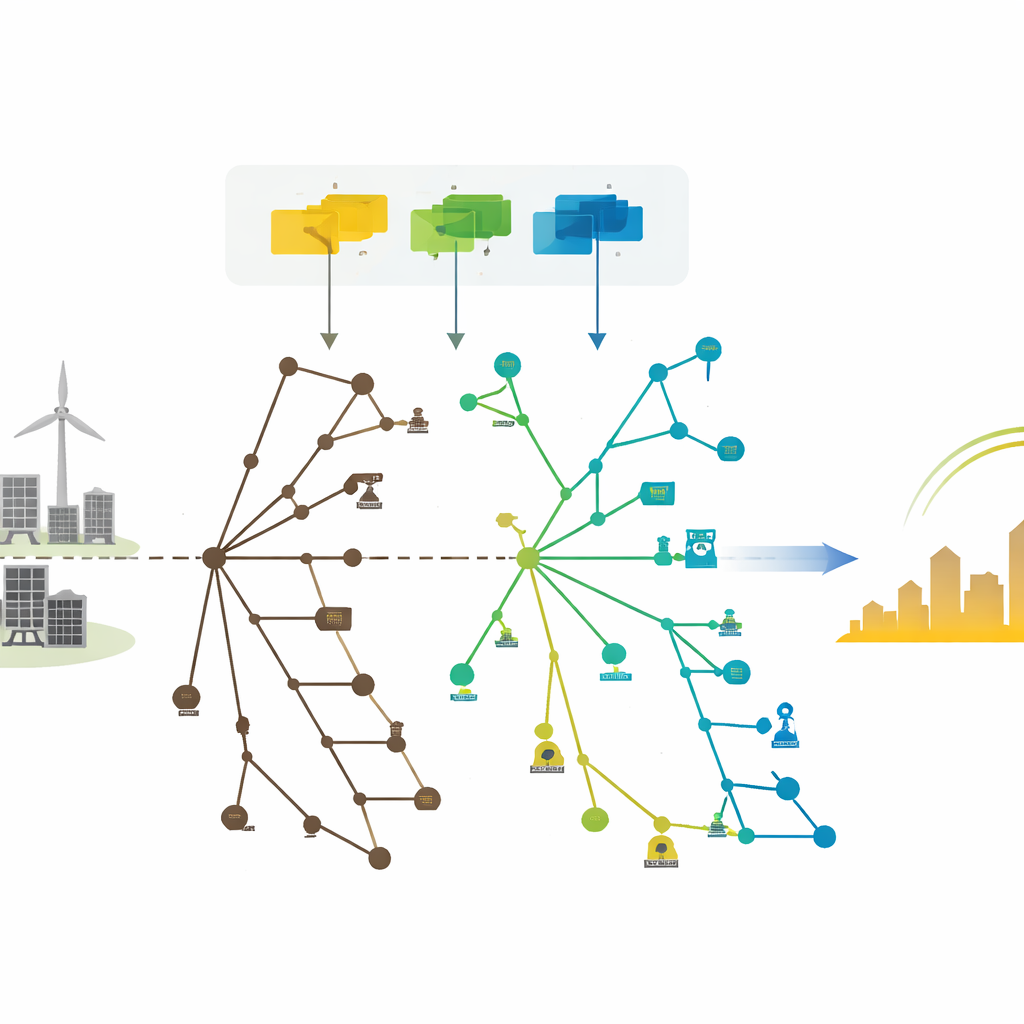
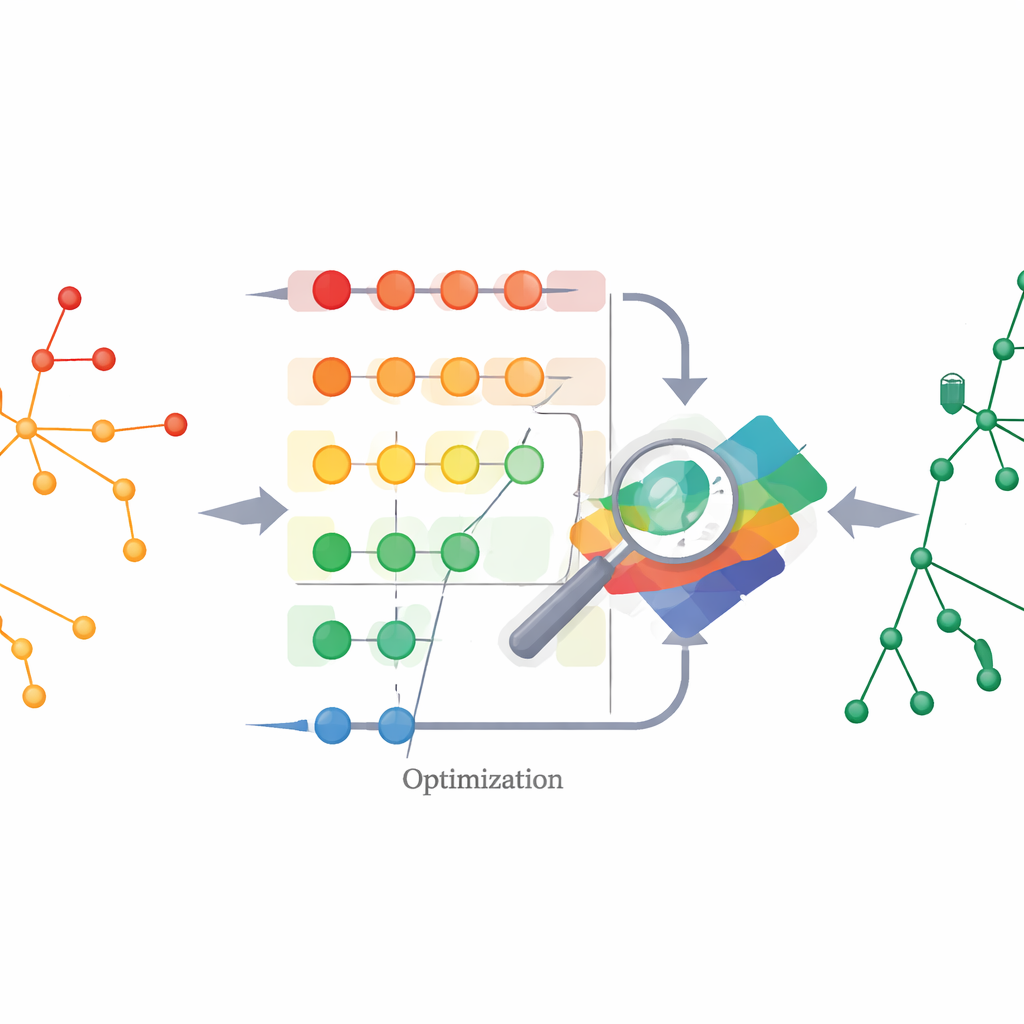
This paper proposes a different route called Classification-based Global Optimization. Instead of sending a blind search across the entire grid, the method first looks at each bus—the connection points in the network—and classifies them according to how sensitive their voltage is, how much power they consume, and how they sit within the grid’s layout. Buses that most strongly influence losses and voltage become high-priority candidates. Only after this engineering-based sorting does the method apply a global optimization step that weighs two goals: keeping voltages close to their ideal levels and cutting both active and reactive power losses. By shrinking the search space to the most promising spots and using clear electrical rules, the approach gains transparency, speed, and reliability compared with conventional black-box algorithms.
Testing the Idea on Realistic Networks
To see how well the method works in practice, the authors tested it on two standard benchmark systems used worldwide: one with 33 buses and one with 69 buses. In each case they examined three scenarios: installing only capacitor banks, installing only distributed generators (photovoltaic solar units modeled as inverter-based systems), and installing both together. For each scenario they tracked power losses, the lowest voltage anywhere in the network, and a simple voltage stability index that reflects how close the system is to unsafe operating conditions. They also compared their results with a wide range of published optimization techniques, from firefly-inspired search to coyote and swarm-based methods, to judge both performance and computational effort.
Big Cuts in Losses and Stronger, Cleaner Grids
The classification-based approach delivered striking gains. In the 33-bus system, adding only capacitor banks cut active power losses by about a third, while solar generators alone reduced losses by roughly two-thirds. Combining both types of devices nearly eliminated losses, achieving about 95 percent reduction and raising the voltage stability index close to its ideal value. In the larger, more demanding 69-bus system, the pattern was similar but even more impressive: capacitors alone trimmed losses by about 36 percent, generators alone by about 69 percent, and the combined solution reduced losses by over 98 percent. In both networks, the lowest bus voltages rose from worrying levels to values very close to the desired nominal, and the simulation times remained modest—on the order of tens of seconds—despite the complexity of the problem.
What This Means for Everyday Power Users
For a non-specialist, the takeaway is clear: by using a more informed, classification-based strategy, utilities can decide where to place local solar sources and supporting equipment so that existing power lines carry electricity more efficiently and reliably. This leads to fewer losses, more stable voltages at your home or business, and an easier path to integrating large amounts of renewable energy. Because the method is faster, easier to interpret, and scales well to bigger networks, it offers a practical tool for utilities aiming to support clean energy goals and build more sustainable, resilient power systems that quietly keep the lights on in a smarter way.
Citation: Elazab, R., Salem, A. New classification-based global optimization approach for sustainable active power distribution networks. Sci Rep 16, 13648 (2026). https://doi.org/10.1038/s41598-026-48973-7
Keywords: active distribution networks, distributed generation, power loss reduction, voltage stability, renewable integration