Clear Sky Science · en
Clinical and epidemiological profiles of burns from a regional burn center in Egypt
Why burns in everyday life matter
Burn injuries may seem like rare accidents, yet around the world they are a major cause of pain, disability, and death, especially in countries with fewer resources. This study looks closely at every patient admitted with serious burns over a full year to a large regional burn center in Mansoura, Egypt. By tracking who gets burned, how injuries happen, and what predicts survival, the research offers practical clues for how families, hospitals, and health officials can better prevent burns and save lives.
Who gets burned and where
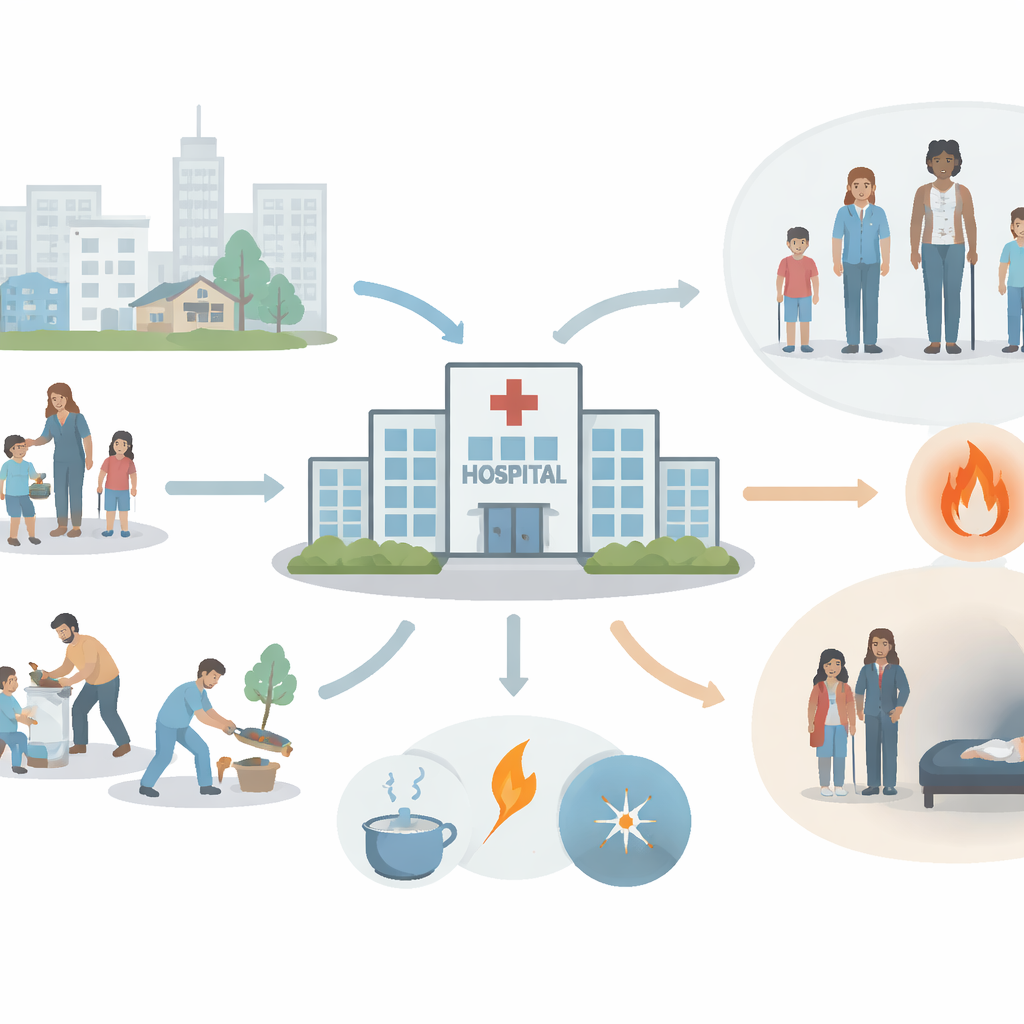
The burn center admitted 125 patients in 2025, a little over half of them children and teenagers under 18. Most of the young patients were under 10 years old, while most adults were over 30. Men and boys made up about two-thirds of all cases. Nearly seven in ten burns happened at home, and almost all were accidental rather than intentional harm. This pattern highlights the household as the main danger zone, especially for curious young children and working-age adults going about daily chores.
How burn injuries happen
The study found clear differences in how children and adults were injured. Hot liquids such as boiling water or spilled drinks were the leading cause overall and especially common in children, who are easily scalded in kitchens and living areas. In adults, open flames were more frequent, often linked to cooking, heating, or work environments. Electrical and chemical burns were less common but tended to affect adults. Most patients had small to moderate burns involving less than one-fifth of the body, yet even these required hospital care and sometimes surgery.
Seasonal patterns and body areas at risk
Burns were not evenly spread across the year. Cases peaked in both winter and summer, suggesting that changes in heating, cooking, clothing, and school holidays alter the risk. Adults more often had burns to the head, arms, and hands, where they handle tools, flames, and hot objects. Children more often had injuries in the diaper or pelvic area, likely when hot liquids spill downward. Most burns were of moderate depth, but adults were more likely than children to arrive with full-thickness burns that damage all layers of the skin and are harder to treat.
Who ends up in intensive care or dies
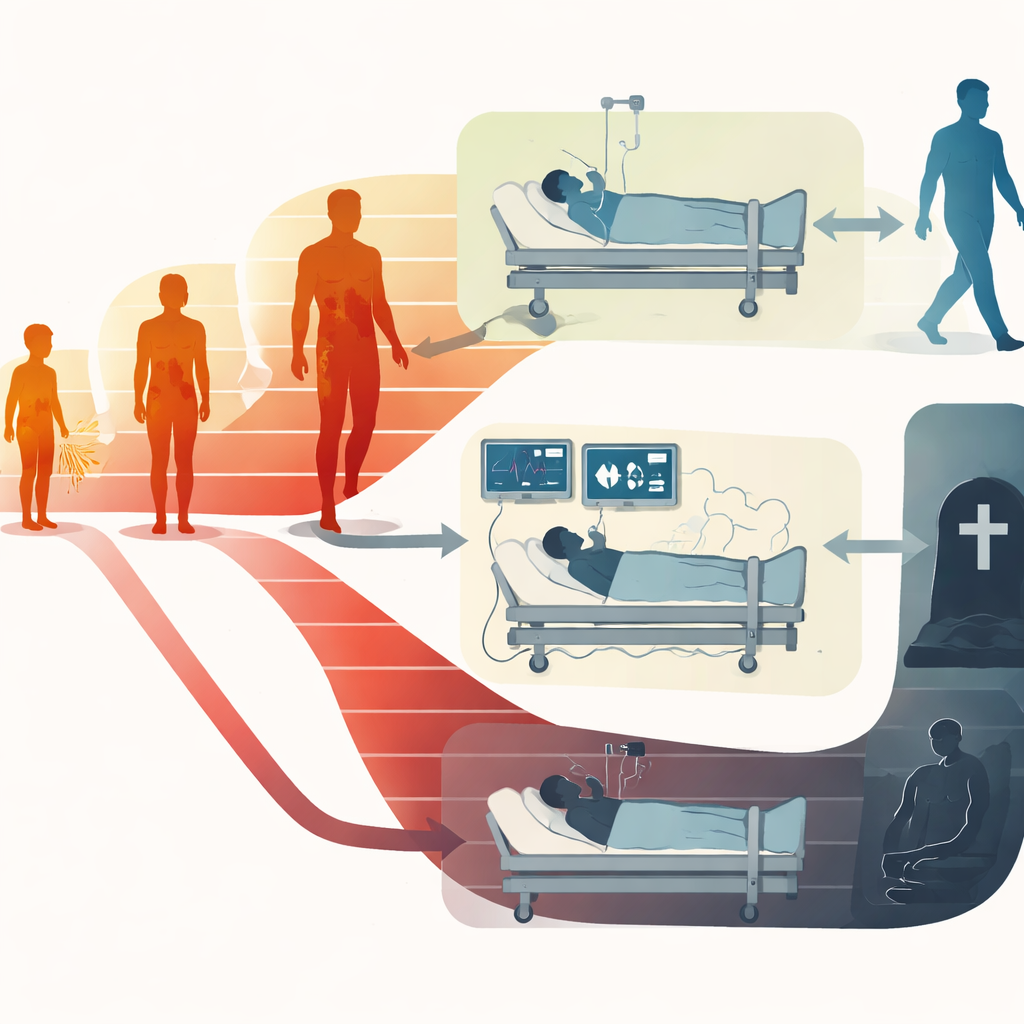
On average, adults stayed in hospital slightly longer than children, and they accounted for most deaths. Overall, about one in nine patients died, but the risk rose sharply when burns covered more than 40 percent of the body or when there were deeper, third-degree burns, inhalation injuries, or serious health problems such as smoking-related disease. To sort patients by danger level, the team used a simple scoring tool that combines age, sex, burned body area, breathing injury, and burn depth. A score of seven or higher on this scale strongly predicted both the need for intensive care and the risk of death, making it a practical yardstick for busy emergency teams.
What this means for families and health planners
For the general public, the message is clear: most serious burns seen at this Egyptian center happened at home, were accidental, and often involved children and hot liquids. Simple steps such as keeping pots and kettles out of reach, using safer stoves and heaters, and closely supervising young children could prevent many of these injuries. For doctors and health planners, the study shows that a short, bedside scoring system can quickly flag patients who need the closest monitoring or intensive care, helping hospitals use limited resources wisely. Together, prevention at home and better risk assessment in hospitals could greatly reduce the toll of burns in Egypt and similar settings.
Citation: Elshahidi, M.H. Clinical and epidemiological profiles of burns from a regional burn center in Egypt. Sci Rep 16, 14164 (2026). https://doi.org/10.1038/s41598-026-48318-4
Keywords: burn injuries, pediatric burns, Egypt, injury prevention, burn mortality