Clear Sky Science · en
Dissecting genetic variant contributions to neurodegenerative disorders through targeted gene sequencing in a Sicilian population
Why our genes matter for brain health
As people live longer, more families face Alzheimer’s disease, Parkinson’s disease, and other forms of dementia. This study looks at how small changes in our genes may raise the risk for these conditions, using a focused type of DNA test in adults from Sicily. The goal is to see whether a targeted approach can give useful answers for doctors and patients without the cost and complexity of scanning the entire genome.
A closer look at Sicilian patients
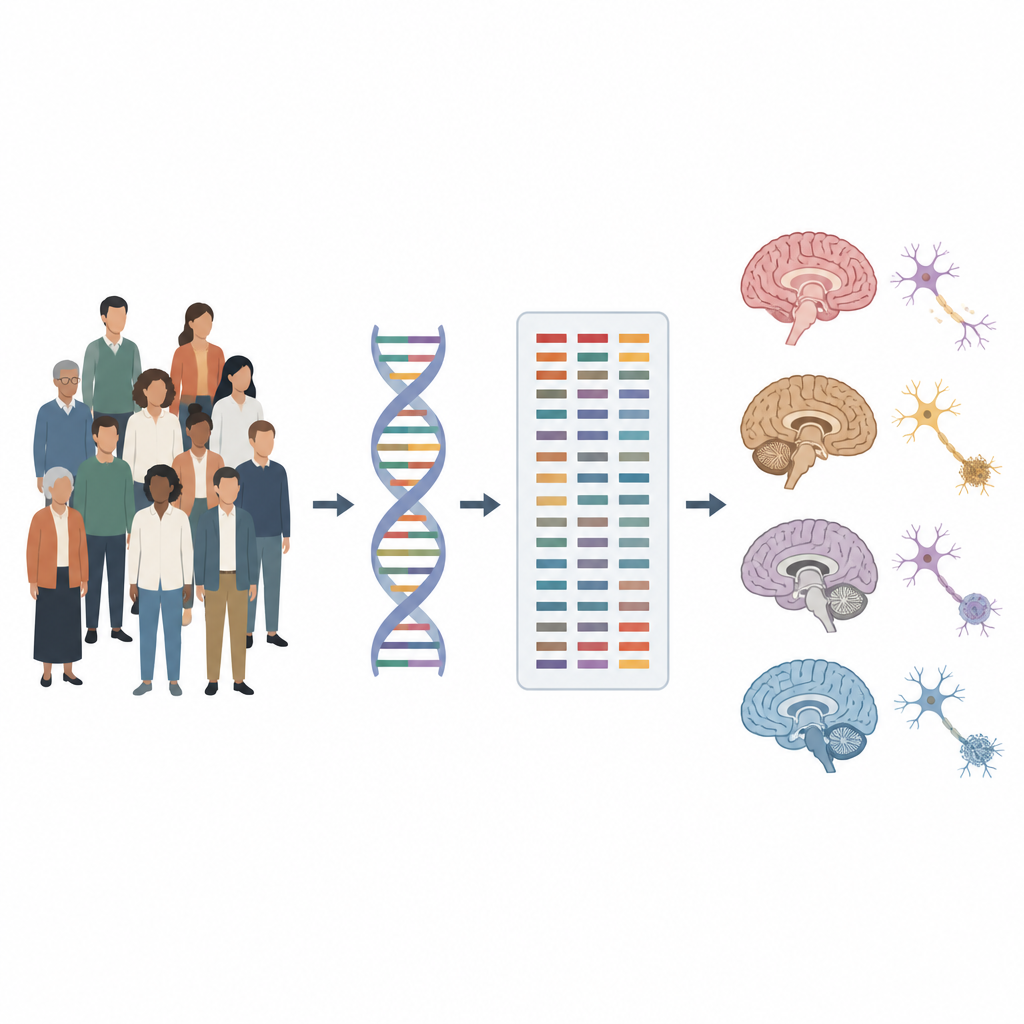
The researchers followed 186 adults from across Sicily who had progressive memory problems, thinking changes, or movement disorders such as Parkinson’s disease. All participants had a suspected neurodegenerative condition, including Alzheimer’s disease, mild cognitive impairment, frontotemporal dementia, Lewy body dementia, and early onset parkinsonism. Instead of broad whole-exome testing, the team used a custom panel of 61 genes already linked to dementia and related brain disorders. This type of panel focuses on known suspects, aiming to be faster, more affordable, and easier to interpret in routine clinics.
What the gene panel found
The panel detected 359 rare genetic changes across 58 of the 61 genes tested. These changes were sorted into three groups: clearly harmful, clearly harmless, or uncertain. About one in five people carried at least one genetic change that was judged likely to be harmful or clearly harmful. When the team also considered how these changes were inherited and whether they matched each person’s symptoms, the share of patients with a strong genetic explanation settled at about one in six. Roughly one third of the group carried uncertain changes, and nearly half had only harmless findings, showing how complex the genetic picture can be even when symptoms look similar.
Shared genes, different brain diseases
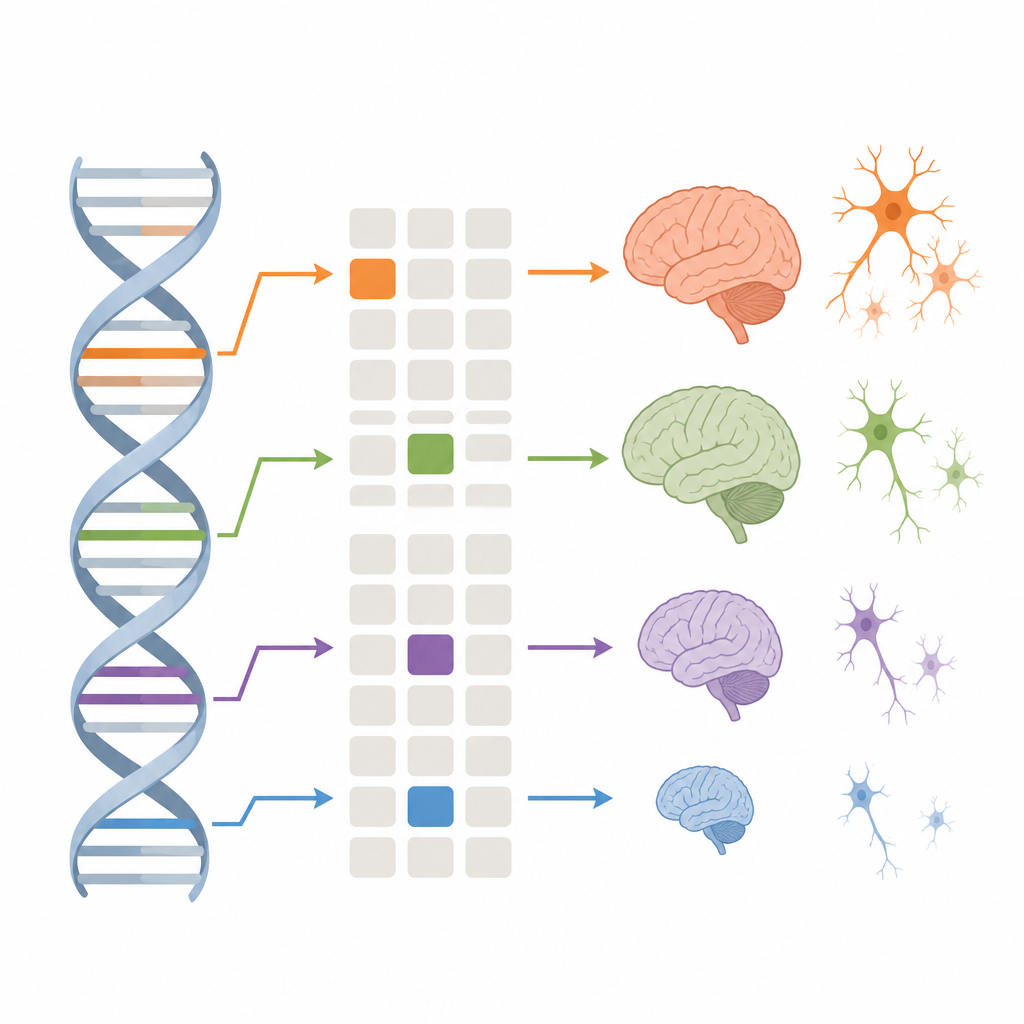
Several genes stood out because they were tied to many different diagnoses. Changes in the GBA gene, which is known to affect how cells handle certain fats, showed the highest number of harmful variants and were seen in people with Alzheimer’s disease, Parkinson’s disease, early onset parkinsonism with epilepsy, frontotemporal dementia, and mild cognitive impairment. Another gene, TREM2, also appeared across a mix of conditions, from Alzheimer’s disease to a rare bone and brain disorder. In some people, a single well known variant in genes such as MAPT, PRNP, or ACE closely matched a specific diagnosis, while in others a harmful variant sat alongside additional rare changes that may modify the course or age of onset of disease.
Linking test results to daily life
To connect the gene findings with real-world functioning, the researchers compared genetic results with standard measures of thinking, memory, and daily activities such as cooking, shopping, and self-care. Using statistical tools, they showed that these clinical scores clustered together and helped separate groups of patients by age at symptom onset and severity, especially for Alzheimer’s disease. For example, patients with GBA changes linked to Parkinson’s disease tended to become ill at a younger age than those with GBA changes linked to Alzheimer’s disease. The study also confirmed that some extremely rare prion diseases, which can mimic more common dementias, can be picked up by this kind of targeted panel.
What this means for patients and doctors
The authors conclude that focused gene panels remain a practical and valuable tool for diagnosing neurodegenerative disorders in everyday clinics, especially when the cause of symptoms is unclear. While whole-exome or whole-genome sequencing can uncover more genes, they also bring higher cost and more uncertain results. By concentrating on a set of well studied genes, this Sicilian study shows that doctors can often find helpful clues about why a person developed dementia or a movement disorder and how early it appeared. At the same time, the many uncertain and overlapping findings highlight that these gene changes are usually risk factors rather than simple on/off switches, and that careful follow up and re-analysis over time are essential.
Citation: Treccarichi, S., Papa, C., Vinci, M. et al. Dissecting genetic variant contributions to neurodegenerative disorders through targeted gene sequencing in a Sicilian population. Sci Rep 16, 16110 (2026). https://doi.org/10.1038/s41598-026-47948-y
Keywords: dementia genetics, Alzheimer’s disease, Parkinson’s disease, targeted gene panel, neurodegeneration