Clear Sky Science · en
Nutrition literacy for people with type 2 diabetes and its associations with demographic, behavioral and clinical characteristics
Why food knowledge matters for diabetes
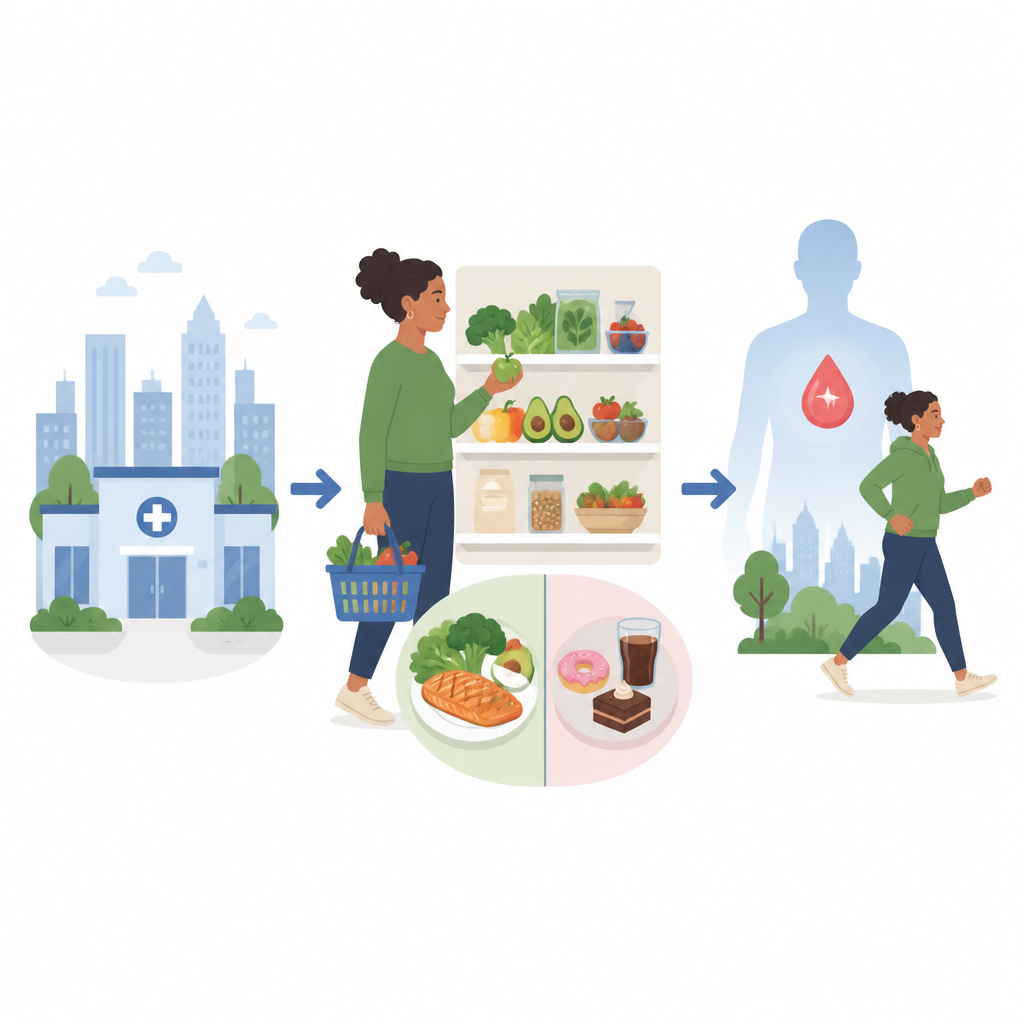
For people living with type 2 diabetes, everyday choices about bread, fruit, and snacks can quietly shape long term health. Knowing how to read a food label or spot added sugar is not just “nice to have” it may influence blood sugar control, the need for medical visits, and the risk of complications. This study from Qatar explores how well adults with type 2 diabetes understand nutrition, and how that knowledge connects to their habits and health markers.
Looking closely at food understanding
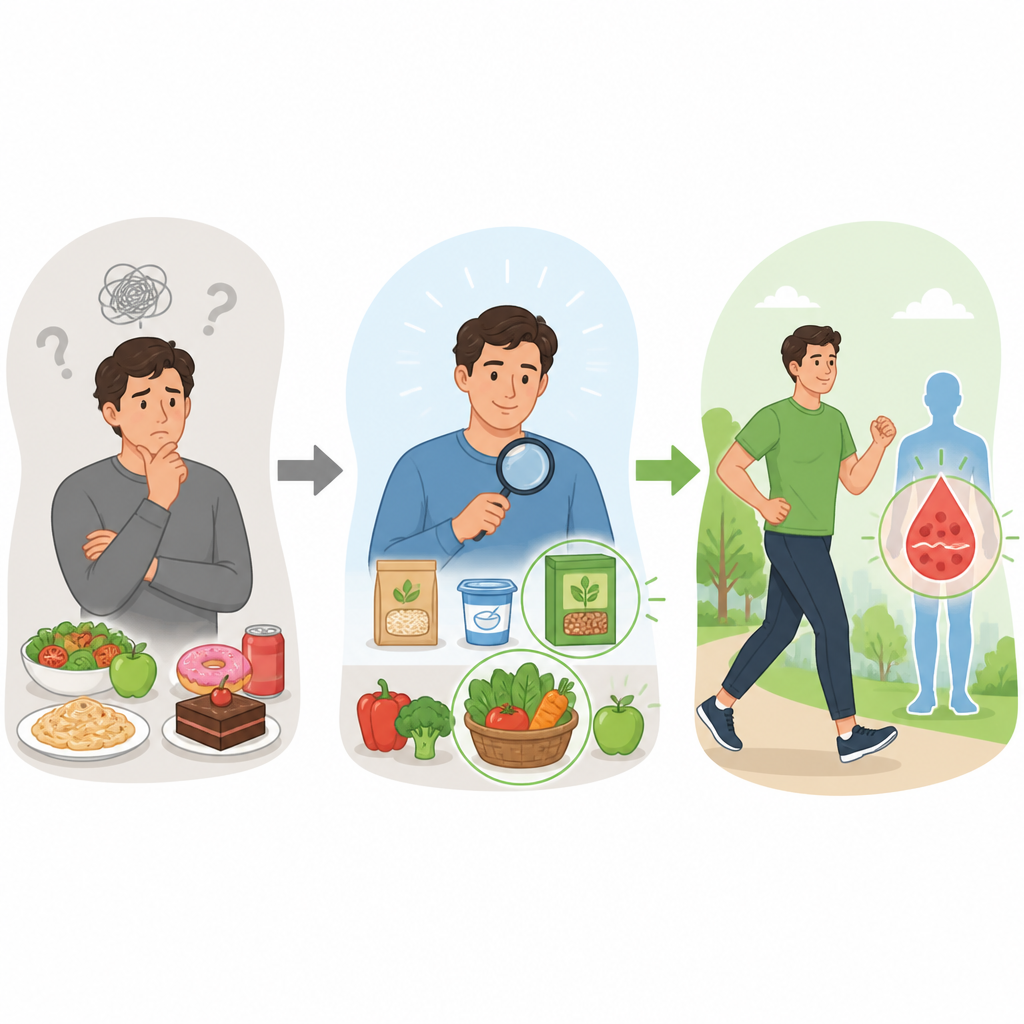
The researchers focused on a concept called nutrition literacy, which is the ability to understand and use basic nutrition information in daily life. Instead of using a broad health literacy test, they created a short questionnaire that zeroed in on skills especially important for type 2 diabetes. These skills included reading sugar content on food labels, choosing foods rich in fiber, favoring whole grains over sugary drinks, picking foods that raise blood sugar more slowly, and adjusting meals in response to blood test results.
Designing a simple but focused scale
To build this nutrition literacy scale, the team first consulted 14 diabetes care experts, including clinicians and diet educators, who suggested wording changes and helped ensure the questions were clear and relevant. The revised questions were then tried with a small group of patients to confirm they made sense in everyday language and fit local eating habits in Qatar. From this process, the team arrived at a 10 item scale that people could complete in about 15 minutes as part of an online survey sent by text message.
Who took part in the study
The survey reached 225 adults with type 2 diabetes who attended government primary care clinics. Most participants were around 50 years old, and nearly two thirds had a university education. Many had been living with diabetes for more than five years, and about half reported other chronic health problems in addition to diabetes. People answered questions about their age, education, weight change, smoking, exercise, clinic visits, and their most recent long term blood sugar reading, known as HbA1c.
What the numbers revealed
Statistical tests showed that the new scale was reliable and mainly measured a single underlying idea nutrition literacy. When the researchers compared scores with health and behavior data, clear patterns emerged. People with higher nutrition literacy were more likely to have better HbA1c levels, meaning their blood sugar was closer to recommended ranges. Those who exercised more days per week also tended to have higher nutrition literacy, as did people who had seen a diabetes clinic more recently or had been referred to a dietitian or other specialist. By contrast, current smokers, people with very high HbA1c, and those who had not visited a clinic in more than a year were less likely to have high nutrition literacy.
Limits and next steps
The authors caution that the study captured a single moment in time, so it cannot prove that nutrition literacy directly causes better blood sugar control. It also relied on self reported information, including HbA1c and exercise, which can be imperfect. The scale was intentionally short and may not reflect every aspect of food knowledge and decision making. Even so, the consistent links with HbA1c, exercise, smoking, and clinic use suggest that the tool is tapping into skills that matter in real life diabetes management, especially within the cultural setting of Qatar.
What this means for daily life
For a lay reader, the takeaway is straightforward people with type 2 diabetes who better understand what is in their food and how it affects blood sugar tend to have healthier readings and habits. The study suggests that helping patients build simple skills such as reading sugar on packages, choosing high fiber foods, and adjusting meals after a blood test may support better control of diabetes alongside medicines. By weaving clear, culturally tuned nutrition teaching into routine clinic visits and referrals, health systems may give people practical tools to navigate supermarket shelves and dinner tables with more confidence and, over time, support better health.
Citation: Al-Marri, A., AlRabeei, Y. & Al-Hamdani, M. Nutrition literacy for people with type 2 diabetes and its associations with demographic, behavioral and clinical characteristics. Sci Rep 16, 15964 (2026). https://doi.org/10.1038/s41598-026-47194-2
Keywords: nutrition literacy, type 2 diabetes, blood sugar control, diet education, Qatar