Clear Sky Science · en
Short and long-term health consequences of the 2013 Sarin attack in Ghouta, Syria: a retrospective descriptive study of civilian survivors
A Night That Changed Thousands of Lives
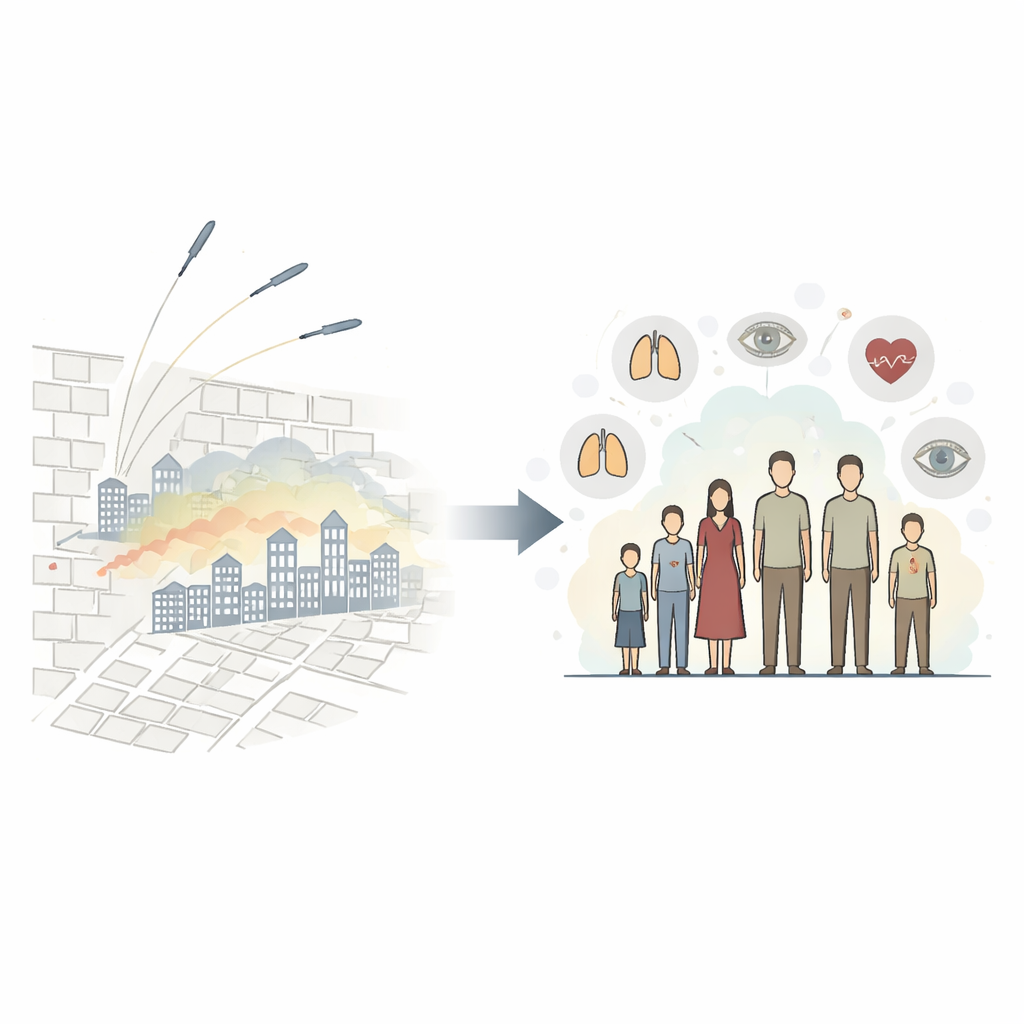
On a single night in August 2013, a silent, invisible weapon swept through the suburbs of Damascus. Sarin gas, a banned nerve agent, killed more than a thousand people in Ghouta and left many more struggling to breathe, see, sleep, and simply live their lives. This study listens to those who survived. More than a decade later, their stories reveal how one brief exposure to a toxic cloud has rippled through their bodies, minds, families, and communities ever since.
Listening to Survivors’ Stories
Instead of counting hospital records or lab tests, the researchers sat down with 14 survivors and asked them to tell their stories in detail. All had been verified as present in the hit neighborhoods of Zamalka, Ein-Tarma, or Moadamiya during the attack. Interviews were conducted in Arabic, in the same areas where the rockets fell, after political changes made such fieldwork possible. Survivors described what they sensed that night, how they tried to protect themselves and others, and the health problems they experienced immediately, in the weeks after, and many years later. The team analyzed these narratives to find common patterns across people of different ages and backgrounds.
The Night of the Attack
For those on the ground, the attack arrived as confusion rather than clear warning. Missiles hissed in without the usual explosions. People noticed strange smells likened to rotten apples and vinegar, odd smoke, and neighbors shouting that something was terribly wrong with the air. Within minutes, bodies reacted violently: eyes burned and blurred, chests tightened, saliva poured from mouths, muscles jerked, and many collapsed or lost consciousness. With ambulances overwhelmed, neighbors carried victims, soaked cloths in water and vinegar to cover their faces, and used whatever supplies and antidotes they could find. Survival hinged on instinct, courage, and improvised help in the near-total absence of organized protection.
Lingering Damage to Body and Mind
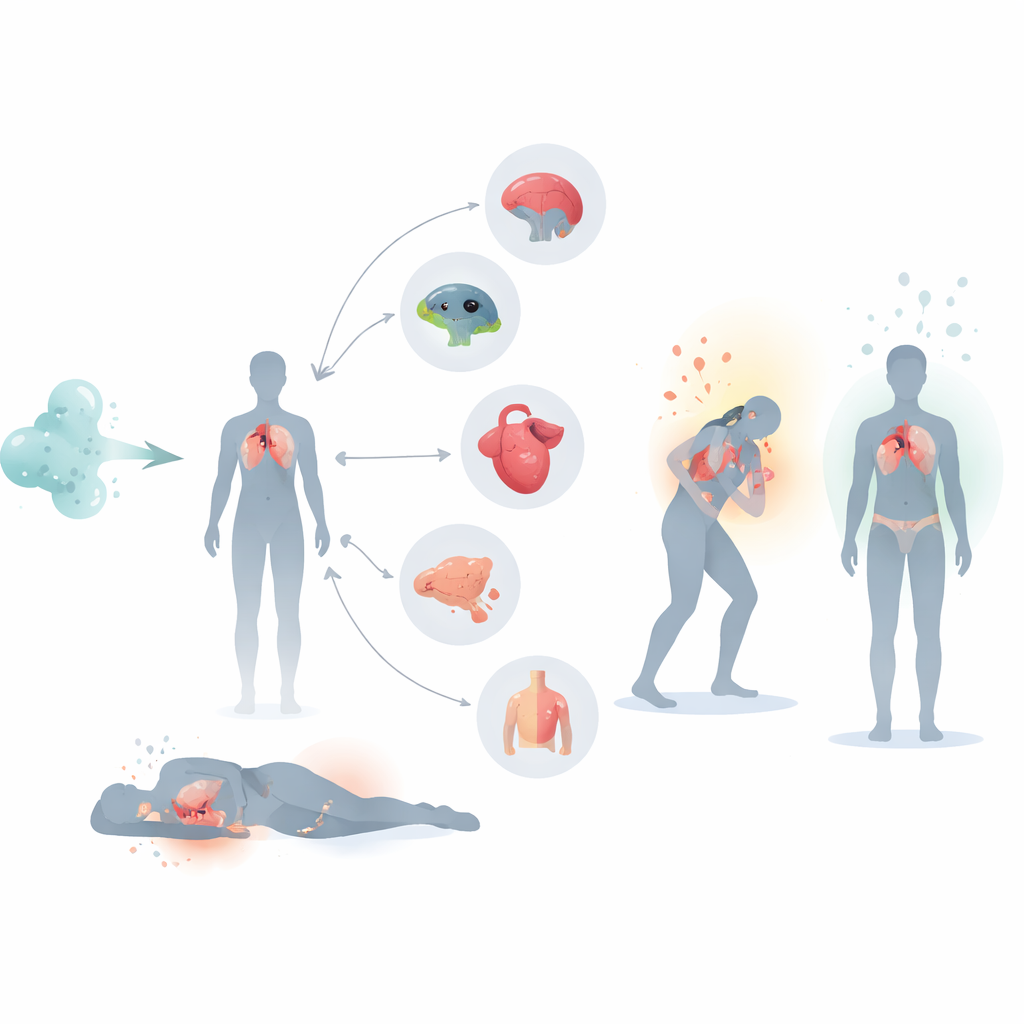
Although the gas cloud passed quickly, its imprint did not. In the days and weeks that followed, survivors continued to suffer from tremors, confusion, breathing problems, stomach troubles, and eye pain or temporary blindness. For many, these problems never fully went away. Years later, every survivor interviewed reported ongoing nerve and muscle issues, such as shaking, pain, weakness, or difficulty coordinating movements. Most described long-term breathing troubles and frequent infections, along with lasting eye damage, heart complaints, and weight loss. Some spoke about changes in fertility or urinary problems, and about children who now moved and spoke as if they were elderly. All of these people had been healthy before the attack.
Invisible Scars of Fear and Loss
The emotional wounds were just as deep. Almost all survivors spoke of fear, sadness, and a sense that life had been split into a “before” and “after.” Nightmares, sleeplessness, panic attacks, and intrusive memories were common, often triggered by everyday sights or sounds. Many had lost children, spouses, or entire branches of their family and recalled digging mass graves and burying dozens of bodies at a time. Displacement from their homes added a second trauma: years spent away in unfamiliar places, only to return to neighborhoods that felt haunted and broken. Without meaningful access to mental health care, most have carried this burden largely alone.
Why Distance Mattered and Care Still Does
Survivors’ accounts suggest that how close someone was to the impact site shaped how badly they were hurt. Those within a few dozen meters described the most severe immediate symptoms and the harshest long-term problems, matching what is known about how nerve gases spread and concentrate. Age offered little protection; both younger and older people suffered serious, lasting harm. Yet despite clear, enduring health problems, almost all reported years of struggling to find proper medical attention. Destroyed clinics, fleeing doctors, poverty, and political denial of chemical attacks meant that follow-up care was rare and specialized treatment even rarer.
What This Means for the Future
This study cannot prove exactly which symptom was caused by which exposure, but it delivers something just as vital: a detailed picture of how one chemical attack continues to shape bodies and lives long after the headlines fade. Survivors describe a heavy load of physical illness and psychological distress that health services have largely failed to meet. Their stories argue for long-term clinics that bring together lung, nerve, eye, heart, and mental health care under one roof, and for policies that recognize and support people harmed by banned weapons. In listening carefully to survivors, the study shows that recovering from such an attack is not a matter of days or months, but of decades.
Citation: Alhaffar, M., Zarzar, L., Eriksson, A. et al. Short and long-term health consequences of the 2013 Sarin attack in Ghouta, Syria: a retrospective descriptive study of civilian survivors. Sci Rep 16, 11379 (2026). https://doi.org/10.1038/s41598-026-47135-z
Keywords: sarin exposure, chemical weapons, Ghouta survivors, long-term health effects, war trauma