Clear Sky Science · en
The mediating effect of self-compassion and cognitive emotion regulation on the relationship between tolerance and social appearance anxiety in adolescents
Why caring how we look hurts so much
For many teenagers, worries about how they look in photos, at school, or on social media can feel overwhelming. This study explores why some adolescents are less troubled by these appearance concerns. It focuses on three everyday inner skills tolerance, being kind to oneself, and managing difficult feelings and shows how they work together to ease anxiety about how others see our bodies and faces.
When appearance becomes a constant worry
Social appearance anxiety is the tension and fear people feel when they think others are judging their looks their body shape, clothes, or facial features. Teens who struggle with this type of anxiety may avoid social events, constantly check mirrors, compare themselves with others, or feel more depressed and pessimistic. In a world filled with selfies and image focused social media, understanding what protects young people from these worries is increasingly important.
The role of tolerance and being gentle with yourself
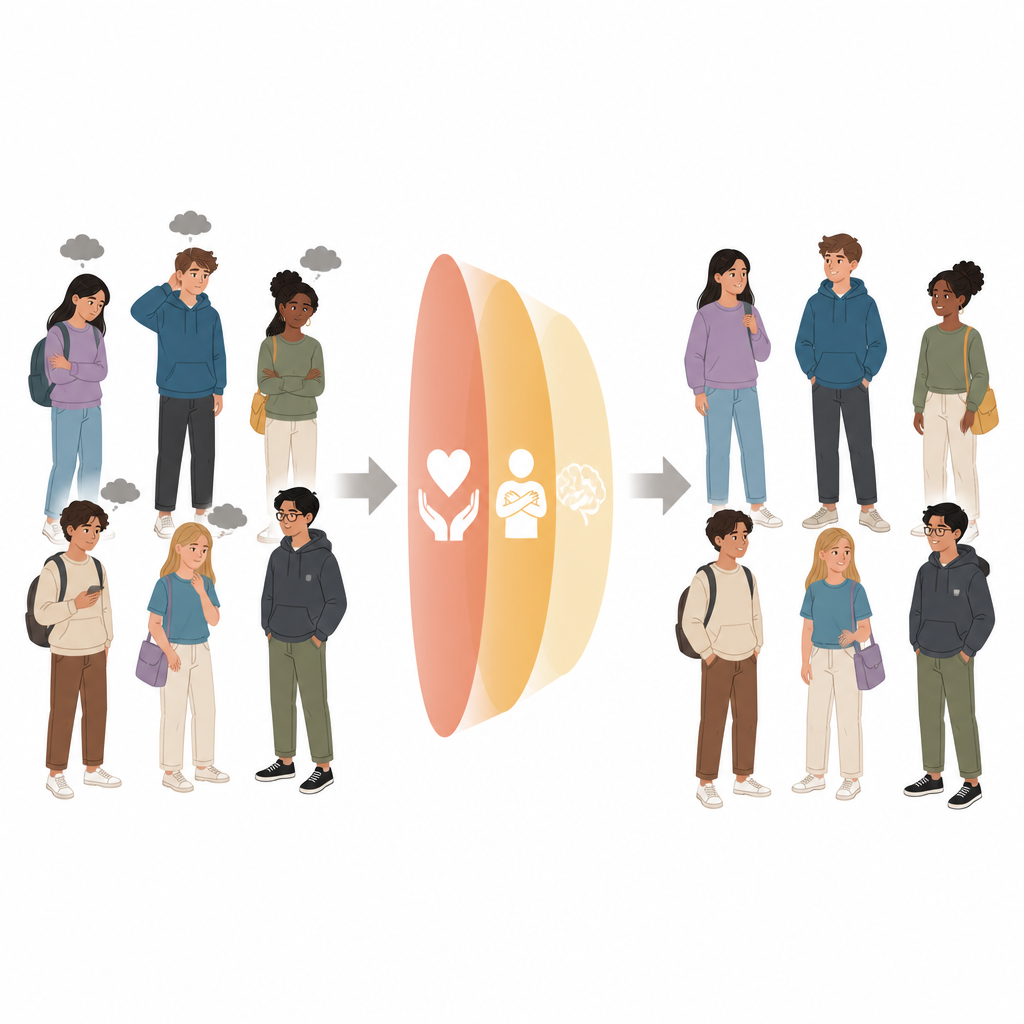
The researchers looked at tolerance, defined here as being accepting and understanding of differences and faults, including your own. They suggested that a tolerant person is more likely to treat themselves kindly, not just others. This self kindness is called self compassion. It means responding to your own flaws and painful feelings with warmth instead of harsh criticism, and recognizing that everyone has imperfections. Earlier studies showed that people who respect their bodies tend to have more self compassion and less appearance related distress. Building on this, the authors proposed that tolerant teens might be more self compassionate and therefore less anxious about how they look.
How thinking styles shape emotions
The study also examined how teenagers manage their emotions through their thoughts, a process called cognitive emotion regulation. Some thinking patterns are helpful, such as reframing a problem, accepting feelings, focusing on solutions, or taking a broader perspective. Others are unhelpful, such as blaming yourself, blaming others, or repeatedly dwelling on negative thoughts. Helpful patterns are linked to better mental health, while unhelpful ones are tied to more anxiety and stress. The authors suspected that tolerant, self compassionate teens would use more helpful strategies and fewer harmful ones, which in turn would reduce their appearance worries.
What the study with Turkish teens found
The team surveyed 647 adolescents in several provinces in Turkey using established questionnaires that measured tolerance, self compassion, helpful and unhelpful thinking patterns, and social appearance anxiety. Statistical analyses showed that higher tolerance went hand in hand with higher self compassion and more helpful emotion regulation, and with lower use of unhelpful strategies and lower appearance anxiety. Self compassion itself was strongly linked to more helpful thinking, less unhelpful thinking, and less appearance anxiety. Teens who relied more on unhelpful thinking reported higher appearance anxiety, while those who used more helpful strategies reported less.
A chain reaction inside the mind
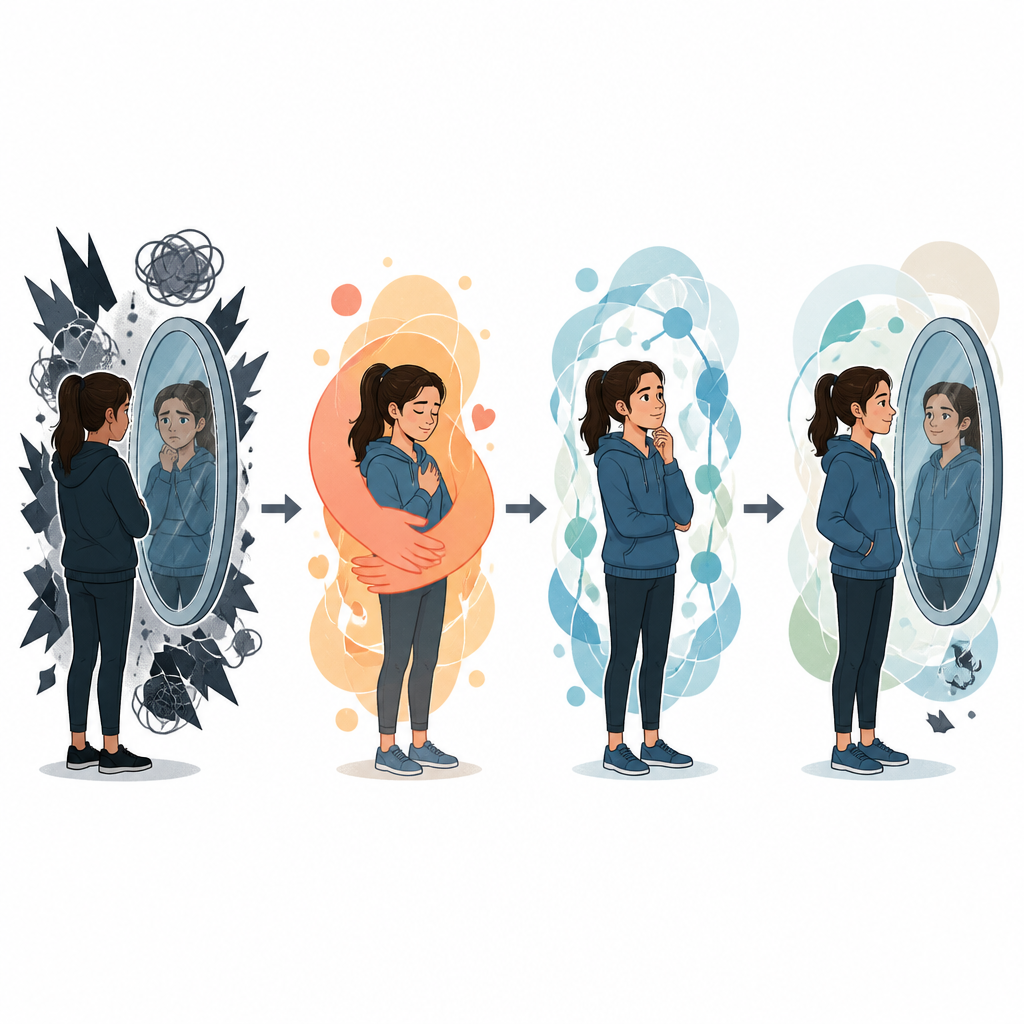
When the researchers tested how these pieces fit together, they found that tolerance lowered appearance anxiety mainly through its effects on self compassion and emotion regulation. In other words, tolerance set off a chain reaction. More tolerance was linked to more self compassion. Greater self compassion then increased helpful thinking and reduced unhelpful thinking. These healthier patterns of thought were associated with calmer feelings about appearance. Once these inner pathways were taken into account, the direct effect of tolerance on appearance anxiety largely disappeared, suggesting that the inner skills fully explained the link.
What this means for teens and adults who support them
To put the findings simply, teens who are more accepting of themselves and others, kinder toward their own flaws, and better at steering their thoughts away from destructive patterns tend to feel less fearful about how they look. Programs that teach only present moment awareness may not be enough on their own. The authors suggest that helping adolescents build tolerance, nurture self compassion, and practice healthier ways of thinking could together reduce the sting of appearance related worries and make social life feel safer and more manageable.
Citation: Bingöl, O., Çelebi, G.Y. & Kaya, F. The mediating effect of self-compassion and cognitive emotion regulation on the relationship between tolerance and social appearance anxiety in adolescents. Sci Rep 16, 15730 (2026). https://doi.org/10.1038/s41598-026-46918-8
Keywords: self compassion, emotion regulation, tolerance, body image, adolescent anxiety