Clear Sky Science · en
A longitudinal evaluation of the community-based rehabilitation support programme for Post-COVID-19 condition in Hong Kong
Why Ongoing COVID Symptoms Still Matter
For many people, COVID-19 did not end when their initial infection cleared. Months later, they continue to struggle with tiredness, breathlessness, brain fog, poor sleep, and pain—a cluster of problems often called "long COVID." These lingering issues can make everyday life and work difficult. This study looked at whether a community-based rehabilitation program in Hong Kong could help people living with long COVID feel and function better over time.
A Community Network Steps In
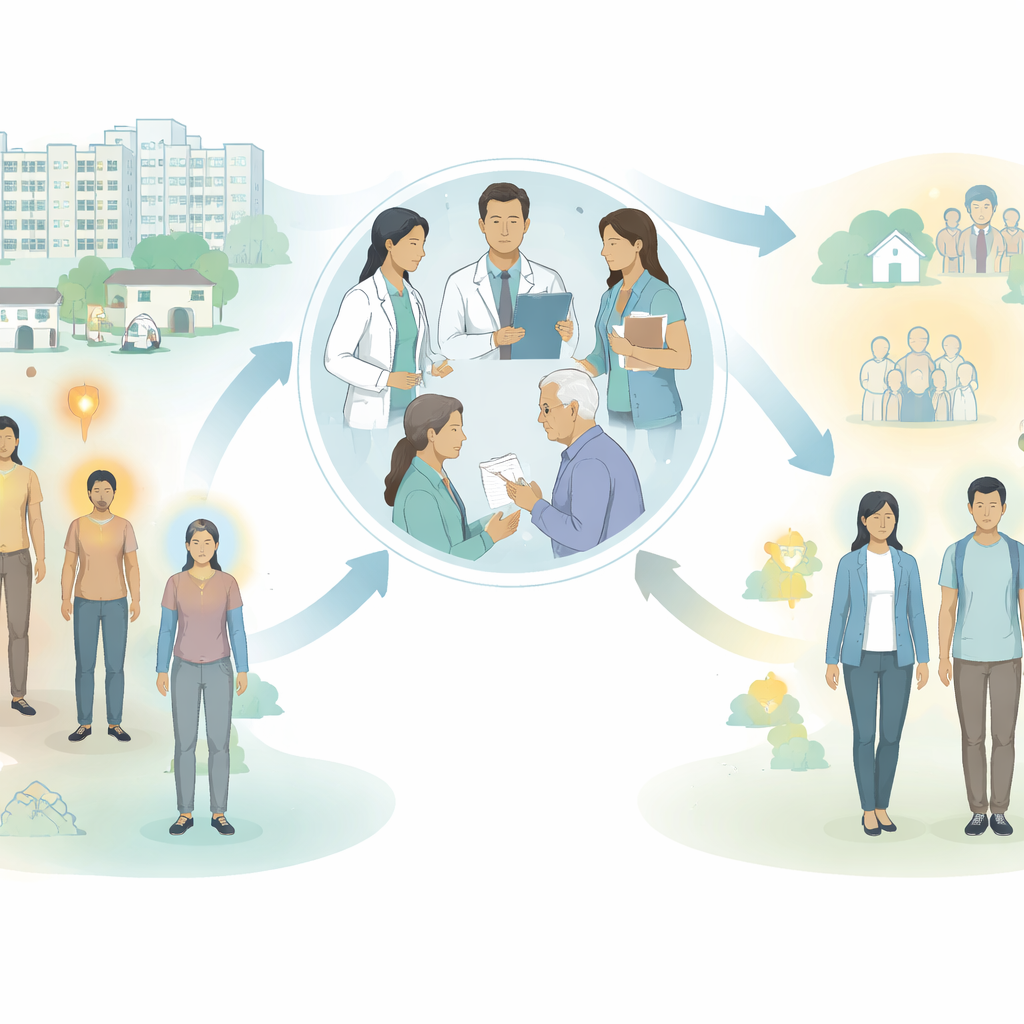
To respond to the growing number of long COVID cases, eight non-profit organizations across Hong Kong launched a one-year pilot program in 2022. The idea was simple but ambitious: bring help close to where people live, and tailor care to each person’s needs. Social workers acted as case managers, working with participants to co-design up to 12 weeks of support. Depending on their problems, individuals could be referred to family doctors, nurses, physiotherapists, occupational therapists, dietitians, and practitioners of traditional Chinese medicine, such as herbal therapy and acupuncture. All services were free and delivered in community settings like NGO centers or nearby clinics.
Following People Over Time
Researchers followed 1,655 people who joined the program through three of the NGOs, with 623 completing all planned assessments. Most had had COVID-19 only once, were in their early fifties on average, and many had no major chronic illnesses. Participants were asked about ten common symptom areas—such as breathlessness, fatigue, pain, thinking and memory, mood, and sleep—as well as difficulties with daily tasks like walking, self-care, and social roles. They rated how bad each problem was on a simple four-step scale, and also gave an overall score for their health before COVID-19, at the start of the program, just after finishing it, and again three months later. This allowed the team to see not only whether people improved, but also whether they got back to how they felt before infection.
What Changed and What Did Not
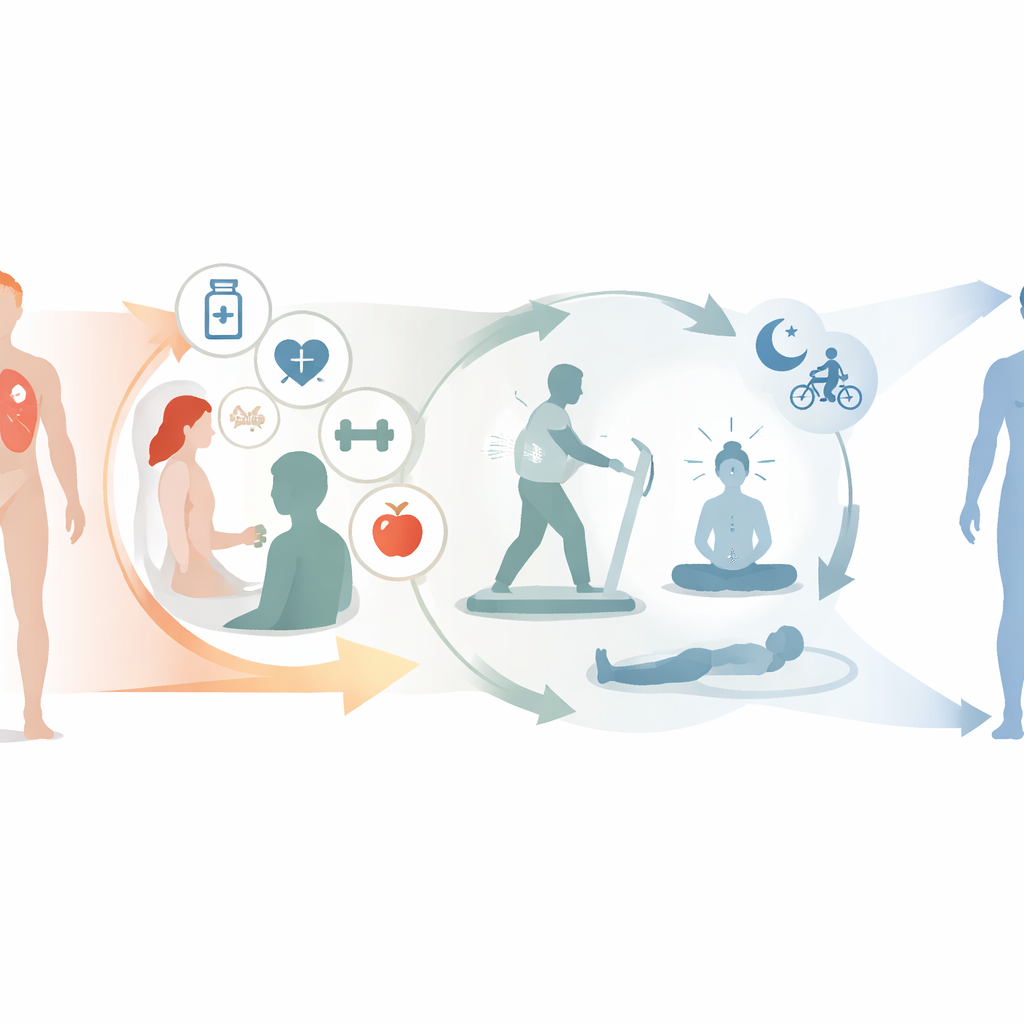
Across the group, 16 of 17 measured areas—covering symptoms, daily functioning, and overall health—showed clear improvement after the program, and these gains were still present three months later. People reported less fatigue, less pain and discomfort, better sleep, fewer problems with memory and concentration, and reduced breathlessness. They also reported fewer additional complaints from a list of 25 other symptoms. However, this was not a complete cure. Many participants still had lingering problems, and their overall health score three months after finishing the program remained about one point lower, on a ten-point scale, than how they remembered feeling before COVID-19. In other words, the program helped, but for most people it did not fully erase the impact of the infection.
Who Benefited the Most
The team also asked which kinds of people were most likely to see meaningful improvement. Using statistical models, they found that younger participants tended to do better across several symptom areas, including cough, sleep, and thinking problems. Those who started the program with more severe symptoms or poorer self-rated health were also more likely to show big gains, perhaps because they had more room to improve and might have been more motivated to engage in rehabilitation. Certain background factors, such as being in full-time work before COVID-19, using allied health services like physiotherapy, or having fewer chronic diseases, were linked with better outcomes in specific areas. At the same time, older age and multiple ongoing illnesses were tied to smaller improvements for some symptoms.
What This Means for People Living With Long COVID
This study suggests that a coordinated, community-based approach to long COVID—bringing together doctors, therapists, traditional medicine practitioners, and social workers around each person—can make a real difference. While participants did not completely return to how they felt before infection, many experienced noticeable relief in day-to-day symptoms and functioning that lasted for at least several months. The findings support investing in person-centred, case-managed rehabilitation programs close to home, while also highlighting that long COVID can be slow to resolve and may require longer-term support, especially for older adults and those with other health problems.
Citation: Ho, L., Yuen, K.W., Kwong, M.H. et al. A longitudinal evaluation of the community-based rehabilitation support programme for Post-COVID-19 condition in Hong Kong. Sci Rep 16, 10552 (2026). https://doi.org/10.1038/s41598-026-46888-x
Keywords: long COVID, rehabilitation, community health, integrated care, patient-reported outcomes