Clear Sky Science · en
ISO-compliant molecular screening of imported seeds in Lebanon establishes a baseline for national GMO surveillance
Watching What Enters the Seed Bag
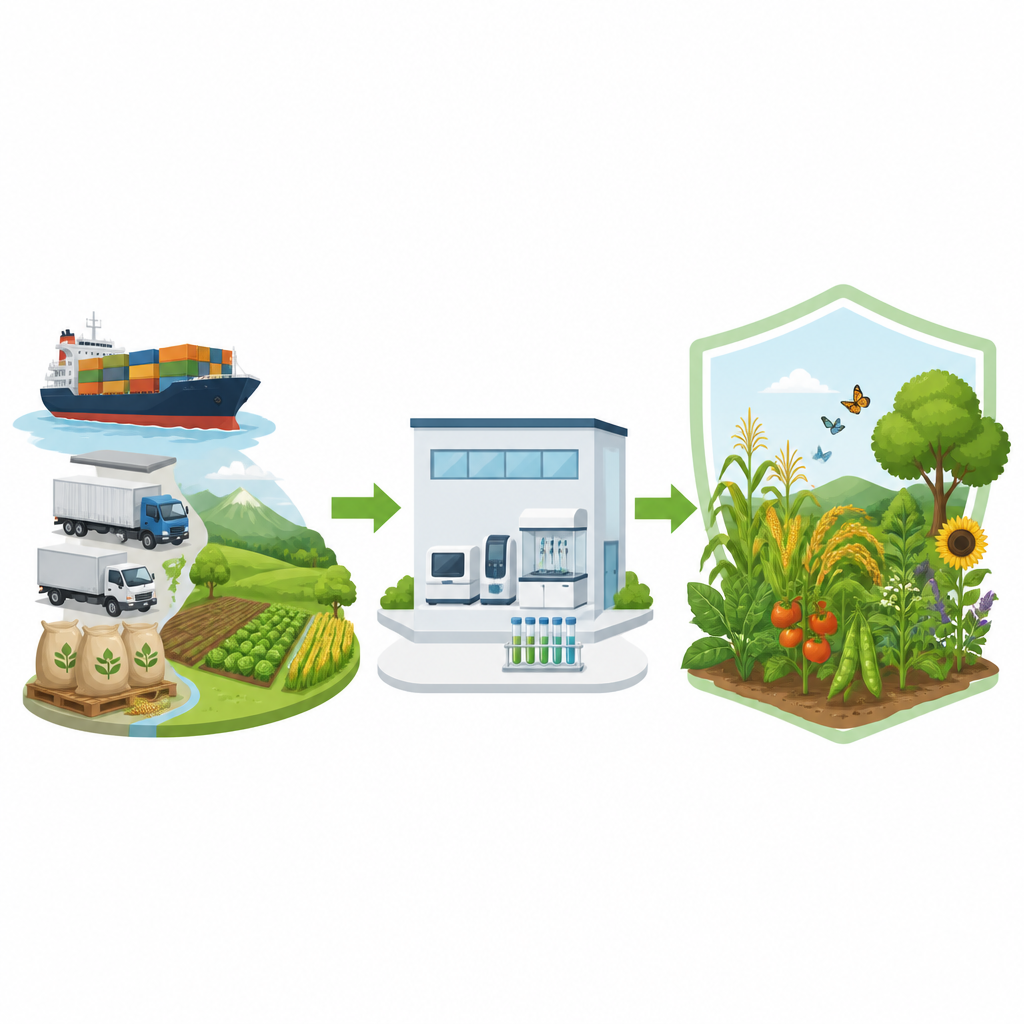
For people in any country that relies on imported food, what hides inside a tiny seed matters for health, the environment, and trust in the food system. This study from Lebanon asks a simple but important question: are seeds coming into the country carrying hidden genetically modified traits, despite an official ban, and how can a nation know for sure rather than just taking exporters at their word?
Why Seeds and Gene Changes Matter
Modern crops are sometimes engineered so their DNA includes new traits, such as resistance to insects or herbicides. These genetically modified crops cover millions of hectares worldwide and are grown or traded by many major agricultural producers. Supporters see them as tools to boost yields and deal with drought or salty soils. Critics worry about possible effects on allergies, the spread of engineered genes into wild plants, and the loss of local varieties. To manage these risks, many countries have rules on how such crops are grown, labeled, and traded.
Lebanon’s Rulebook and Its Blind Spot
Lebanon has signed international agreements on biosafety and has a national law that bans the import of genetically modified seeds. In practice, however, authorities have mostly relied on paperwork supplied by exporting countries instead of running their own scientific checks. This creates a blind spot: if mistakes, contamination, or undeclared modifications slip through, officials would have little evidence to act on. The researchers set out to fill this gap by carrying out the country’s first broad laboratory survey of imported seed lots using internationally accepted testing standards.
How Scientists Checked the Seeds
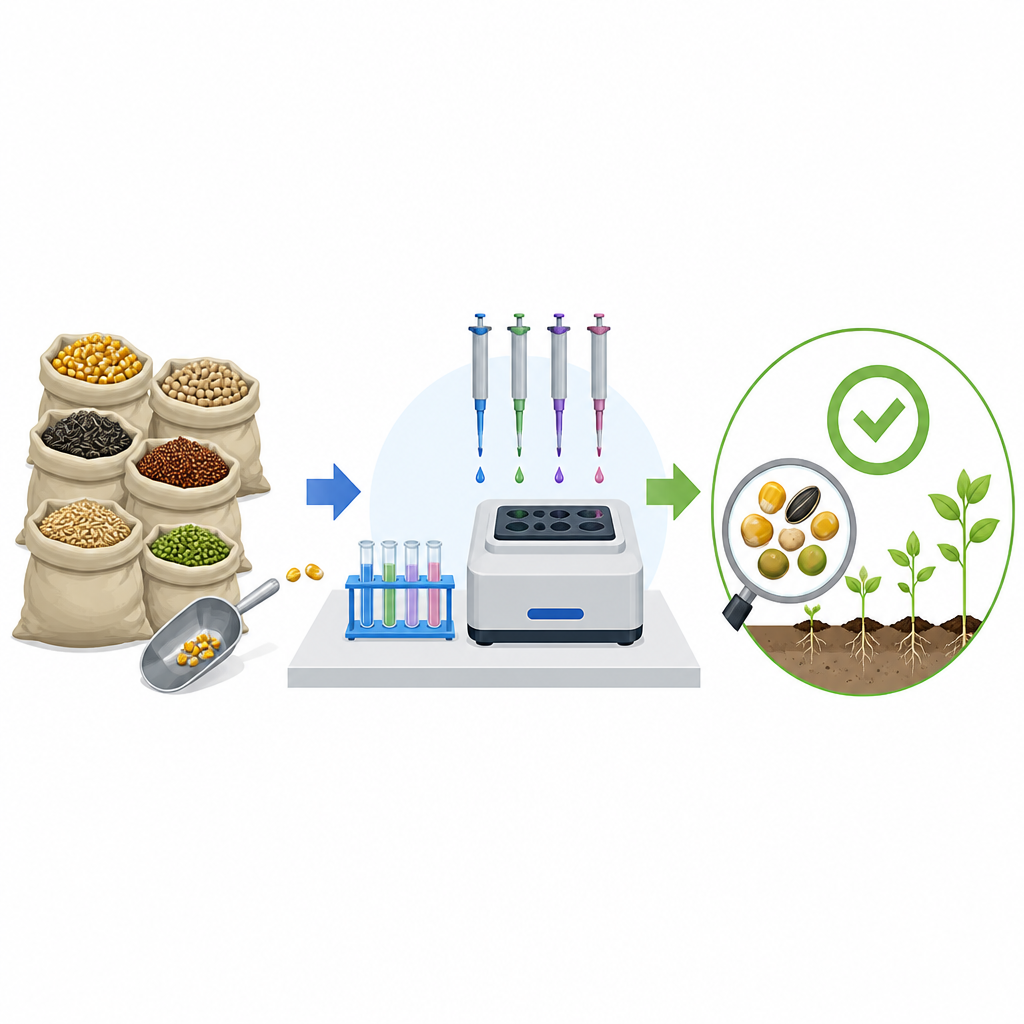
The team collected 74 commercial seed samples of seven major crops, including corn, cucumber, squash, melon, watermelon, pepper, and tomato, imported between 2017 and 2019. Working in an ISO-accredited laboratory, they ground seeds or tested young seedlings to extract DNA, checked that this DNA was intact and usable, and then looked for two genetic switches that commonly appear in many modified crops. Using a sensitive method called real-time PCR, they compared each sample against known positive and negative controls, repeated doubtful tests many times, and also searched for several other genetic pieces found in a range of engineered plants.
What They Found in Everyday Crops
The results for corn, cucumber, squash, melon, watermelon, and pepper were clear: none of the samples showed the genetic switches that would point to widely used modified varieties. Tomato seeds were more puzzling. A small group of tomato samples produced faint, late signals for one or both switches, suggesting that only tiny amounts of the target DNA might be present. When these tomato lots were tested again many times and screened for other typical building blocks of modified plants, all of those extra checks came back negative. The researchers ruled out obvious lab contamination and argue that these weak signals are unlikely to reflect real genetically modified tomato seeds. Instead, they may come from harmless viruses or bacteria that naturally carry similar genetic pieces, or from tiny traces of plant dust picked up during handling and transport.
What This Means for Farmers and Policy Makers
Although the study did not uncover clear evidence of banned genetically modified seeds in the tested imports, it highlights both a reassuring and a cautionary message. On one hand, major seed lots entering Lebanon during the study period did not show the standard genetic markers found in many modified crops. On the other, the work also shows that current tests only catch known and targeted genetic changes, while new kinds of modifications could still slip through. By establishing the country’s first solid snapshot of the situation and proving that high-quality checks are feasible, the study provides a foundation for Lebanon to build a stronger, more transparent seed monitoring system. It can also guide other countries with limited resources that want to keep a closer scientific eye on what is planted in their fields.
Citation: Said, J., Jawhary, H., Abdallah, J. et al. ISO-compliant molecular screening of imported seeds in Lebanon establishes a baseline for national GMO surveillance. Sci Rep 16, 15765 (2026). https://doi.org/10.1038/s41598-026-46827-w
Keywords: GMO surveillance, seed imports, Lebanon agriculture, biosafety, PCR testing