Clear Sky Science · en
Effects of a program to reduce fatigue among sepsis survivors: a randomized controlled trial
Why this matters for people leaving the hospital
Surviving a life threatening infection like sepsis is a huge step, but many people go home feeling wiped out for weeks or months. This constant tiredness can make even simple daily tasks feel difficult and can drain the joy from everyday life. This study tested a simple, phone based home program to see whether guided exercise, relaxation, healthy eating, and better sleep habits could help sepsis survivors feel less exhausted in just a few weeks.
Life after sepsis is often still a struggle
Modern intensive care has helped more people survive sepsis, yet many of these survivors face long lasting problems. One of the most common complaints is a deep, persistent fatigue that is more than normal tiredness. It is a mix of weakness, lack of energy, low mood, and trouble thinking clearly. Sepsis can damage muscles, disturb sleep, and increase anxiety, all of which feed into this fatigue. Earlier research suggested that exercise, good nutrition, and better sleep might ease these symptoms, but no single program had pulled all of these elements together for sepsis survivors at home.
A four week home program delivered by smartphone
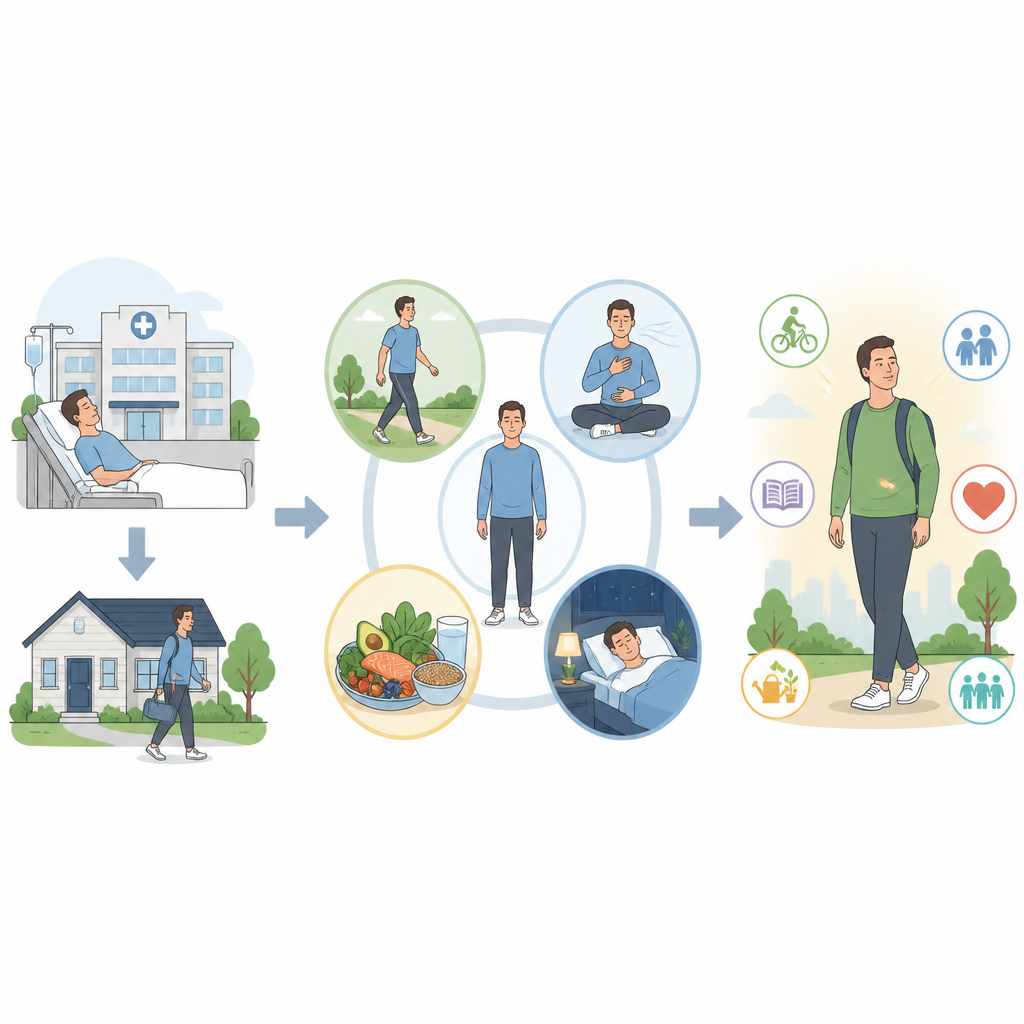
Researchers in Bangkok designed a four week program that combined gentle physical activity, mindfulness based relaxation, nutrition guidance, and sleep hygiene tips. Sixty eight adults who had recently been treated for sepsis in a large hospital were randomly split into two groups. Everyone received usual discharge advice and weekly check in phone calls. In addition, the experimental group got face to face teaching before going home, a printed handbook, and regular messages and videos sent through a popular smartphone app. These materials walked them through graded exercises, simple breathing and body awareness practices, protein rich meal ideas, and habits that support deeper sleep.
How the study measured changes in tiredness
The team tracked fatigue using a standard questionnaire that asks people to rate their tiredness, emotional state, physical sensations, and mental clarity on a scale from zero to ten. Scores were collected three times: just before leaving the hospital, two weeks later, and after four weeks in the program. At the start, both groups reported similar levels of moderate to high fatigue. The researchers then used statistical tests to compare how scores changed over time within each group and between the two groups, while also checking that other health differences did not explain the results.
Stronger gains for those in the guided program
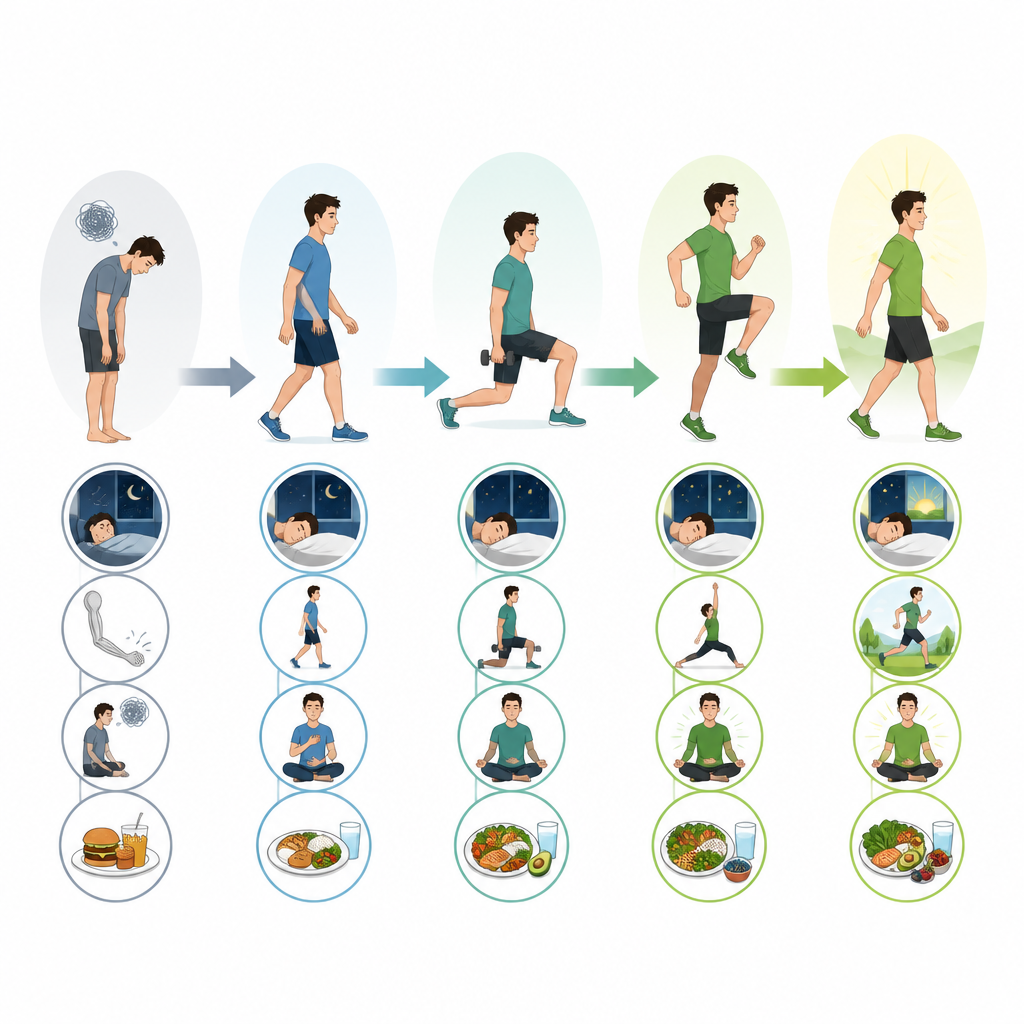
Both groups felt somewhat less tired as weeks passed, which is expected as the body recovers from infection. However, the group that followed the full program improved much more. By week four, their average fatigue scores had dropped sharply, and they reported better energy and mood than people who received usual care alone. The benefits appeared across all parts of fatigue: they were more active, felt fewer unpleasant body sensations, had a brighter emotional outlook, and thought more clearly. The control group also improved, but the change was smaller and slower, suggesting that natural recovery and routine advice did not provide the same boost.
What this means for sepsis survivors and their care teams
In simple terms, a structured four week plan that blends gentle movement, calming practices, protein focused eating, and good sleep habits can meaningfully reduce lingering tiredness after sepsis. Because the program is delivered largely through a smartphone app and brief weekly calls, it may be a practical way for nurses and other health professionals to support patients once they go home. While more work is needed to include direct tests of muscle strength and to reach people without smartphones, this study suggests that guided self care can help sepsis survivors regain energy and return more quickly to everyday life.
Citation: Samart, B., Puwarawuttipanit, W., Kongkar, R. et al. Effects of a program to reduce fatigue among sepsis survivors: a randomized controlled trial. Sci Rep 16, 15321 (2026). https://doi.org/10.1038/s41598-026-46536-4
Keywords: sepsis survivors, fatigue, home recovery program, exercise and nutrition, sleep and mindfulness