Clear Sky Science · en
Efficacy and safety of thalidomide in β-thalassaemia: a systematic review and meta-analysis
Why this matters to patients and families
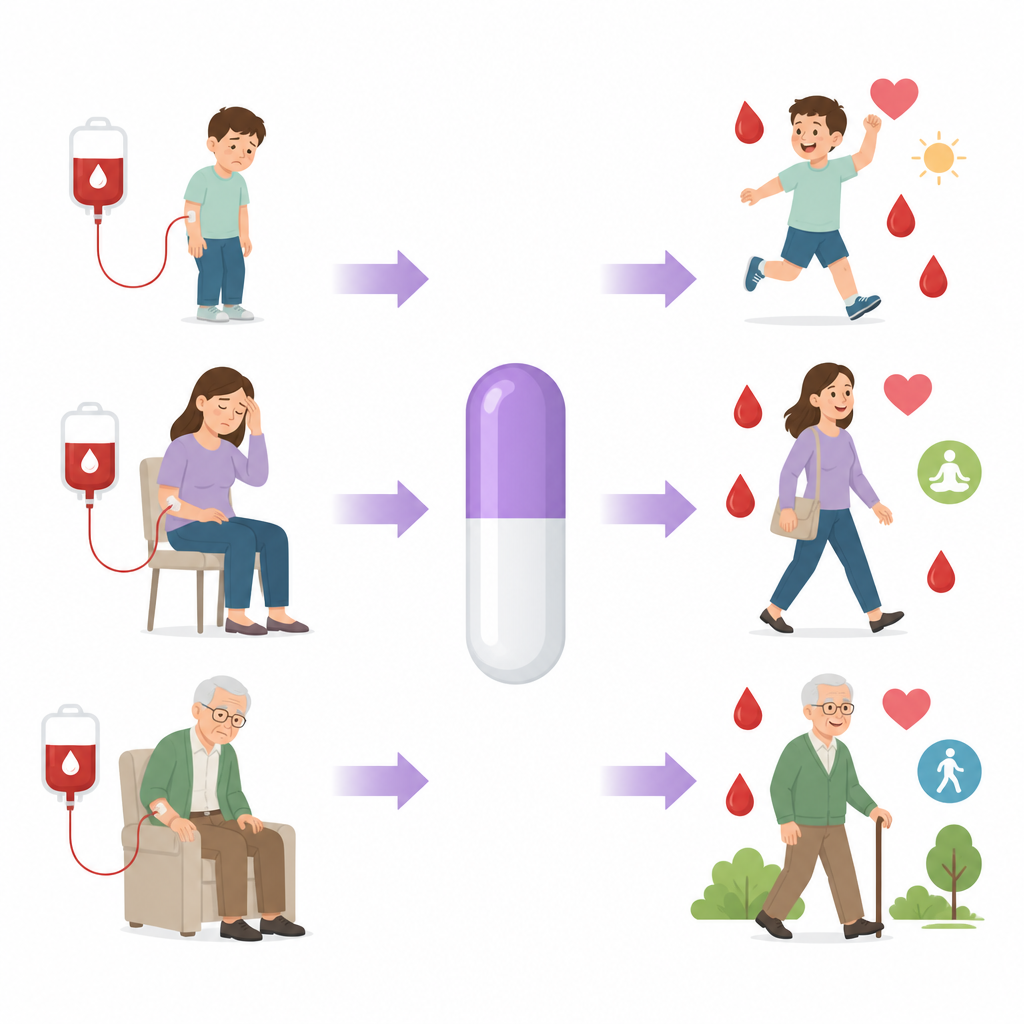
For many people born with beta thalassemia, staying alive depends on frequent blood transfusions, which are costly, time consuming and can damage organs over time. This study looks at whether an old, inexpensive drug called thalidomide can safely cut down the need for transfusions and raise blood levels in these patients, offering a more practical option in countries where advanced genetic treatments are out of reach.
An old drug with a troubled history
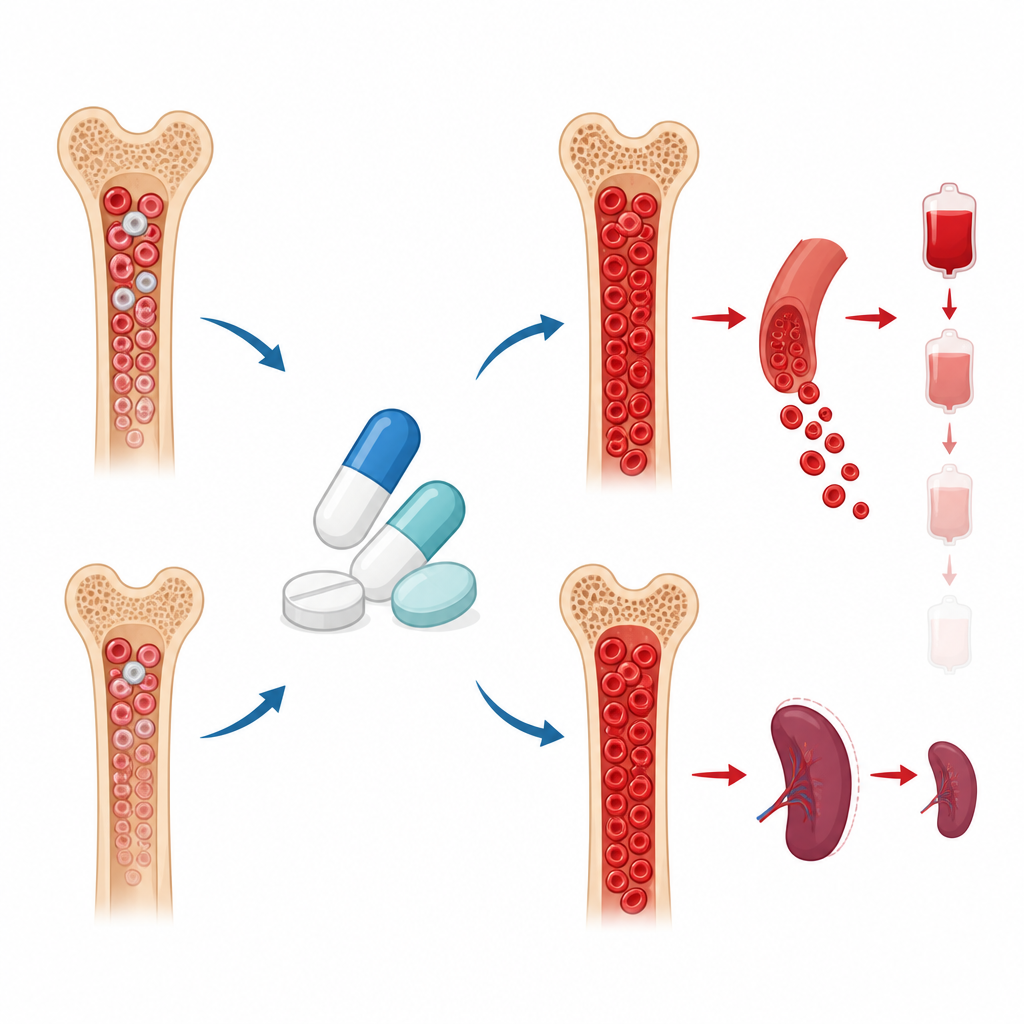
Thalidomide is infamous for causing birth defects when it was used for morning sickness in the 1950s and 1960s, but later it found new life as a treatment for some cancers and immune conditions. Doctors noticed that in people with beta thalassemia, thalidomide seemed to boost their red blood counts, possibly by turning on production of fetal hemoglobin, a form of hemoglobin usually seen in babies. Because beta thalassemia is common in low and middle income countries, researchers wanted to know whether thalidomide could become an affordable add on treatment, as alternatives like stem cell transplants and gene therapy are still too expensive and risky for most patients.
How the researchers gathered the evidence
The authors performed a systematic review and meta analysis, which means they searched the medical literature in a structured way and combined data from many studies to get more reliable answers. They sifted through nearly 200 papers and, after applying strict inclusion and exclusion rules, focused on 19 studies involving 1731 people with beta thalassemia. These included both patients who usually need regular transfusions and those who need them rarely or not at all. Most of the studies followed patients before and after starting thalidomide, and two were randomized controlled trials comparing thalidomide with standard care or another drug.
Effects on transfusion needs and blood levels
When the team pooled the data, they found that in patients who depend on transfusions, about three out of four had their transfusion needs cut at least in half after starting thalidomide. Even more striking, just over half were able to stop transfusions altogether, at least over the months they were followed. In patients who usually do not need regular transfusions, more than nine in ten had their hemoglobin rise by at least 1 gram per deciliter, and about three quarters saw an increase of 2 grams or more. These improvements matter because they can translate into fewer hospital visits, less iron overload from transfused blood and better day to day energy and quality of life.
Side effects and safety signals
Safety is a central concern with thalidomide. Across 17 studies that reported side effects, about 1600 patients experienced just over 1000 adverse events. The most common problems were constipation and sleepiness, each affecting around 15 percent of patients, followed by dizziness. Nerve related issues such as numbness and peripheral neuropathy were less frequent, at about 1 to 2 percent. Serious events, including seizures, blood clots in the brain or portal vein, and acute kidney injury, were rare but did occur, and in a few cases the drug had to be stopped. Many side effects were mild or moderate, tended to improve with dose reduction or stopping the drug and, importantly, all studies excluded pregnant women because of the known risk of birth defects.
What this means going forward
Overall, the combined evidence suggests that thalidomide can meaningfully reduce transfusion needs in transfusion dependent beta thalassemia and raise hemoglobin levels in those who are less dependent on transfusions, with side effects that are usually manageable under close medical supervision. At the same time, most of the available data come from short term, single arm studies from a few countries, and only a small fraction of patients were enrolled in rigorous randomized trials. The authors conclude that while thalidomide appears effective and tolerable for many people with beta thalassemia, longer and better controlled studies are needed to fully understand its long term benefits, risks and the best ways to use it safely.
Citation: Yasara, N., Thilakarathne, S., Perera, K.D.C. et al. Efficacy and safety of thalidomide in β-thalassaemia: a systematic review and meta-analysis. Sci Rep 16, 15933 (2026). https://doi.org/10.1038/s41598-026-46504-y
Keywords: beta thalassemia, thalidomide, blood transfusion, fetal hemoglobin, systematic review