Clear Sky Science · en
A machine learning model for post-operative sepsis prediction in acute surgical patients: a multi-centre, prospective study
Why this matters for patients and families
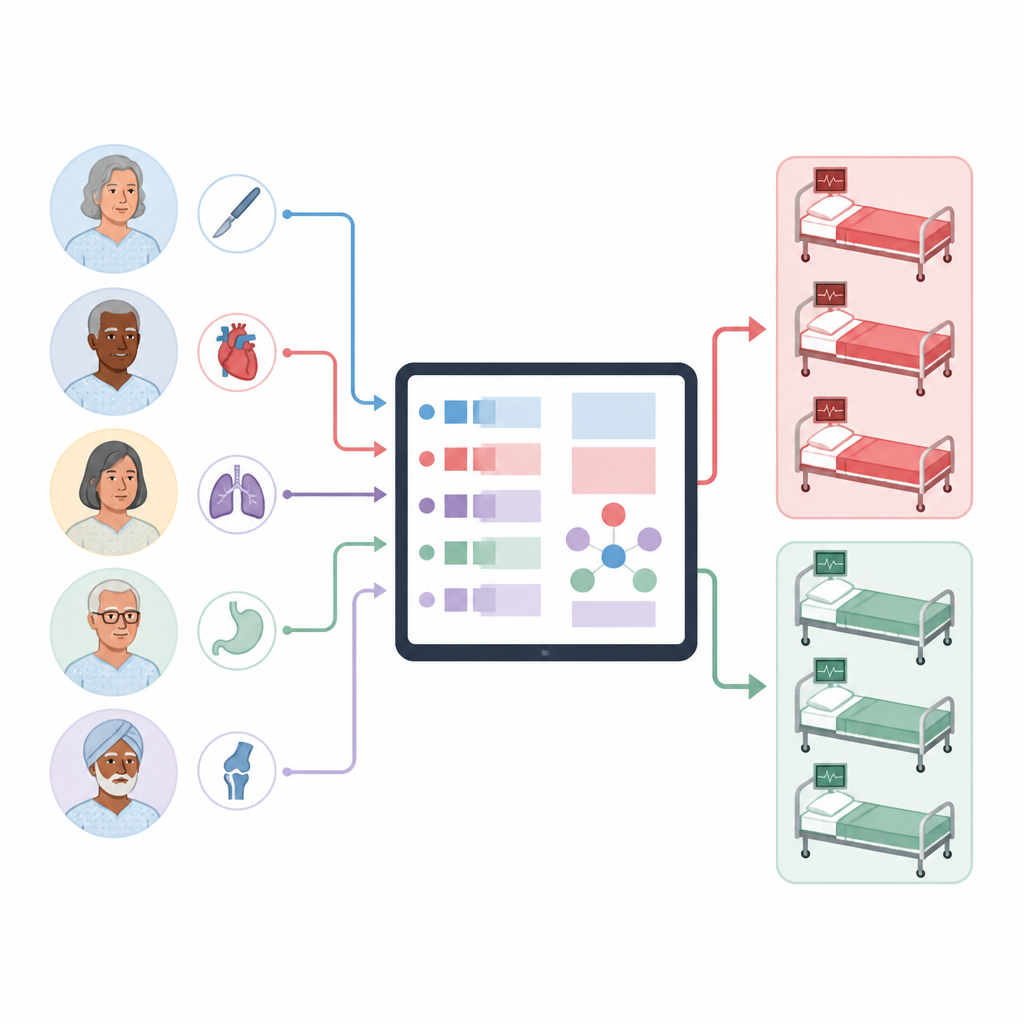
Sepsis is a life-threatening reaction to infection that can strike after emergency surgery, especially in older adults. Doctors know that catching sepsis risk early can save lives, but it is hard to judge who is most vulnerable in the rush before an urgent operation. This study explores whether computer-based pattern recognition, a branch of artificial intelligence called machine learning, can sift through routine hospital data to flag elderly patients who are likely to develop sepsis after emergency surgery, giving teams more time to act.
Sepsis and the dangers after emergency surgery
Sepsis is a leading cause of death worldwide, linked to millions of cases and several million deaths each year. Emergency surgery adds extra strain: patients are often older, frailer, and already very sick when they arrive in the operating room. Infections can develop or worsen quickly after the procedure, and symptoms may look similar to normal post-surgery recovery until the patient suddenly deteriorates. Traditional checklists and scoring systems help, but they were not designed specifically for elderly people needing urgent operations, and they can miss those at highest risk.
Turning routine hospital data into early warning signals
The researchers used information from a large Italian study of patients aged 65 and older who had emergency operations in 29 hospitals. From more than 150 recorded items, they focused only on details available before surgery, such as age, existing illnesses, functional status, vital signs, basic blood tests, and measures of frailty. They labeled patients as septic or not based on a bedside score called qSOFA, which uses breathing rate, blood pressure, and mental state to flag dangerous infection. In total, 2563 patients were analyzed, of whom 119 met the criteria for sepsis after surgery.
How the computer models were built and tested
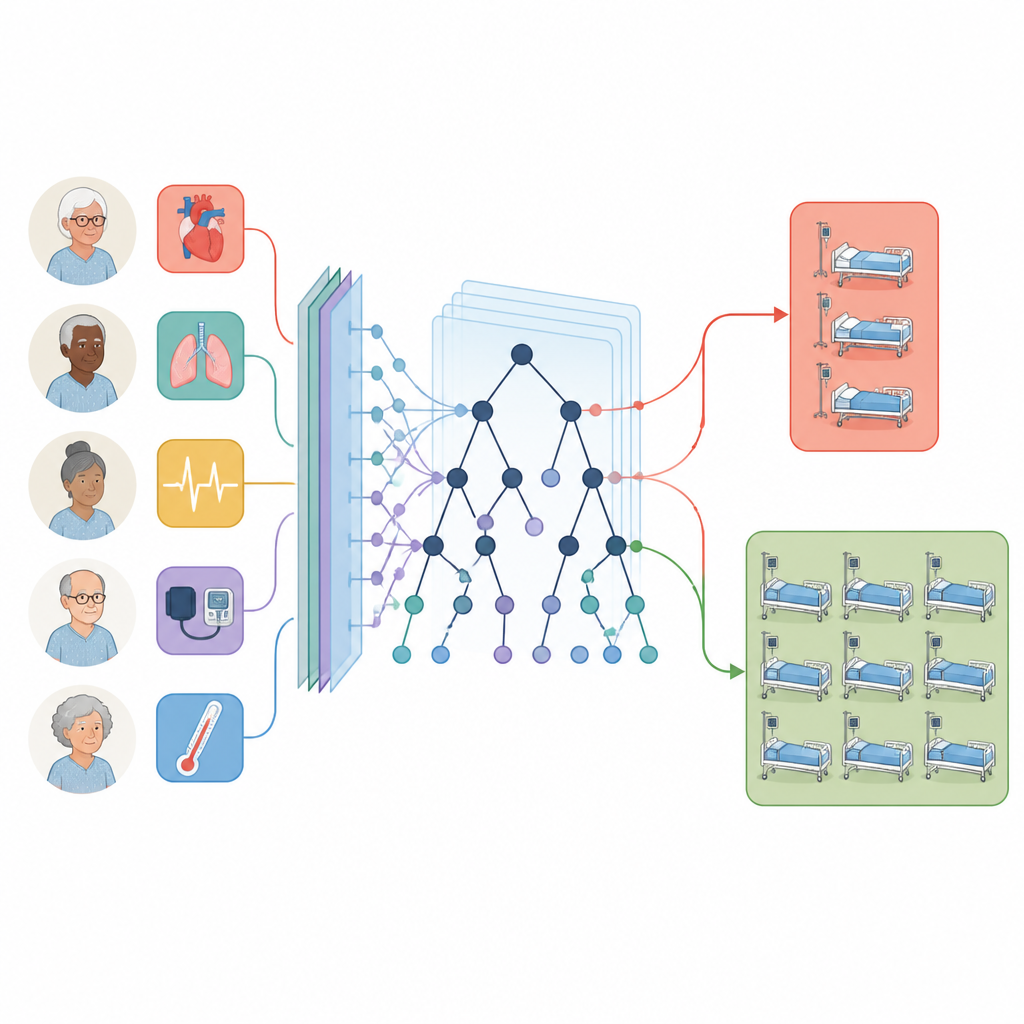
The team compared several types of machine learning models, including logistic regression, k-nearest neighbors, random forests, and gradient-boosted trees. To avoid fooling themselves, they used a strict two-layer testing method known as nested cross-validation: for each run, they held back some patients as a test group and tuned the models only on the remaining cases. They also handled the fact that sepsis was relatively rare by carefully balancing the data, filling in small gaps in information, and standardizing measurements. Performance was judged with familiar ideas such as accuracy, how often the model was right overall, and sensitivity and specificity, which show how often it correctly caught or ruled out sepsis.
What the models revealed about sepsis risk
All of the machine learning models clearly outperformed a simple strategy that assumes no one will develop sepsis. Among the individual models, random forests and gradient-boosted trees offered the best mix of correctly flagging sepsis and minimizing false alarms, with overall accuracy above 95 percent and strong ability to distinguish high-risk from low-risk patients. The researchers also combined the four main models into a single ensemble that took a majority vote from their predictions. This combined approach reached very high accuracy, strong sensitivity, and excellent reassurance when it declared a patient low risk, meaning that very few people who later developed sepsis were missed by the early warning system.
What this could mean in the hospital
If confirmed in future studies, this kind of pre-surgery risk tool could give surgical teams a practical checklist powered by data. Before an elderly person enters the operating room, the model could quietly scan their routine information and suggest who might need closer monitoring, earlier antibiotics, or different post-surgery care. It might guide decisions about where a patient recovers, such as a regular ward or a higher-intensity unit, and help hospitals focus limited staff and resources on those most likely to develop serious infection. The study does not claim that the model is ready for everyday use yet, but it shows that machine learning can turn information already collected in emergency surgery into meaningful early warnings about sepsis risk.
Citation: Fransvea, P., Liuzzi, P., Costa, G. et al. A machine learning model for post-operative sepsis prediction in acute surgical patients: a multi-centre, prospective study. Sci Rep 16, 15651 (2026). https://doi.org/10.1038/s41598-026-46040-9
Keywords: postoperative sepsis, emergency surgery, elderly patients, machine learning, risk prediction