Clear Sky Science · en
Non-linear associations between red blood cell distribution width/serum albumin ratio with diabetic kidney disease: results from two nationwide studies in the United States and China
Why this blood test matters for people with diabetes
Many people with diabetes worry about their kidneys, and for good reason: kidney damage is one of the most serious long-term complications of the disease. This study shows that a simple calculation from routine blood tests may help flag which patients are at higher risk much earlier. By looking at the balance between the size spread of red blood cells and the level of a common blood protein called albumin, the authors suggest a new, low-cost marker that could help doctors spot trouble and act sooner.
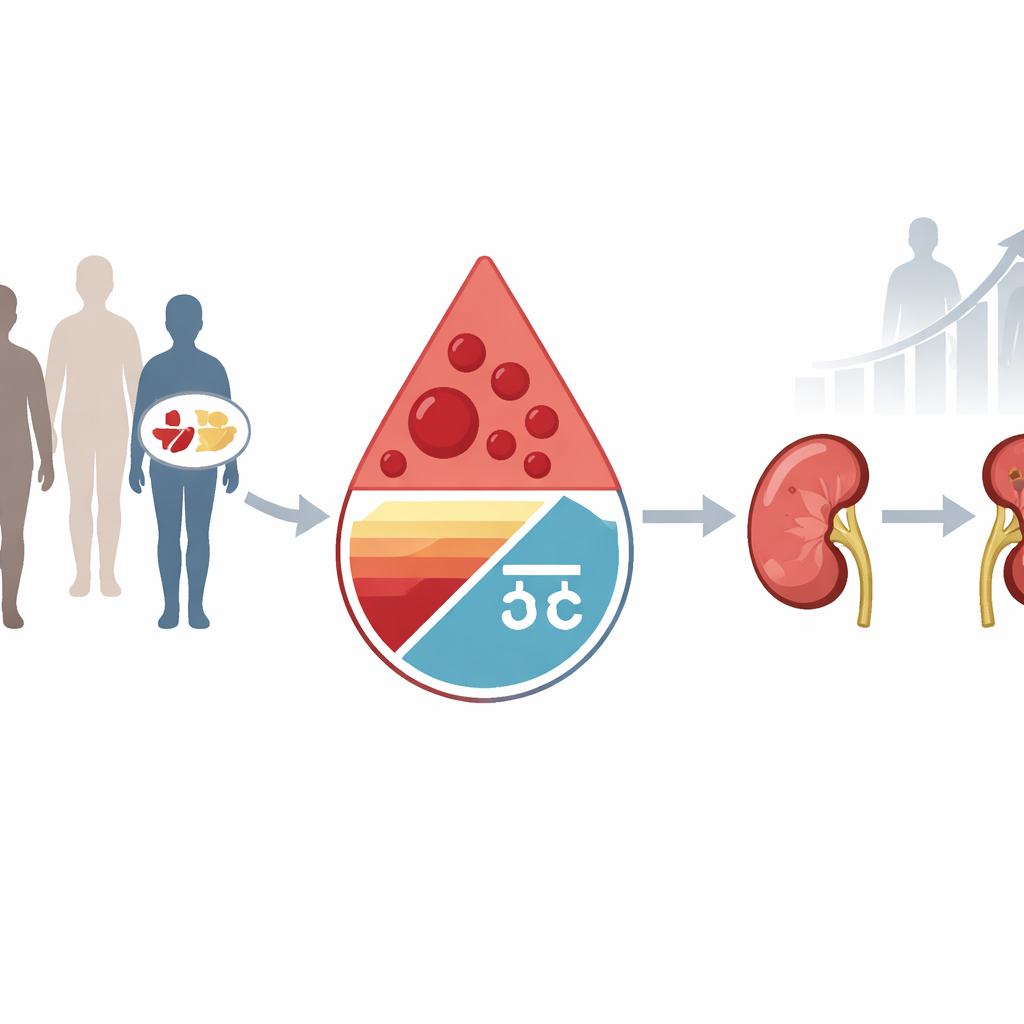
A new way to read the story in your blood
Doctors already measure red blood cells and albumin in standard lab work. Red blood cell distribution width reflects how uniform or varied the cells are in size, while albumin helps carry substances in the blood and falls when the body is inflamed or under stress. The researchers combined these two numbers into a single ratio, called RA, to capture both red cell changes and nutritional or inflammatory status at once. Because this ratio can be calculated from tests most patients already receive, it could potentially be used widely without adding cost or complexity.
Two large groups on opposite sides of the world
To test whether RA relates to diabetic kidney disease, the team drew on two very different data sources. One was the U.S. National Health and Nutrition Examination Survey, a long-running program that regularly examines a nationally representative sample of Americans. From 2011 to 2018, they identified 3,734 adults with diabetes. The other source was a hospital in Shanxi, China, where 393 patients with type 2 diabetes were treated over one year. In both groups, kidney disease was defined using standard measures of kidney filtering function and protein loss in urine, ensuring that disease status was based on objective lab criteria.
Higher RA, higher chance of kidney damage
Across both countries, people with diabetes who already had kidney disease had noticeably higher RA levels than those without kidney problems. After carefully accounting for age, blood pressure, weight, cholesterol, smoking, and several markers of kidney function, each increase in RA was linked to a higher likelihood of diabetic kidney disease. In the U.S. sample, those in the highest RA group had roughly a 65 percent higher odds of kidney disease than those in the lowest group, even after all these adjustments. Similar patterns appeared in the Chinese hospital group, suggesting the link is not limited to a single population or health system.
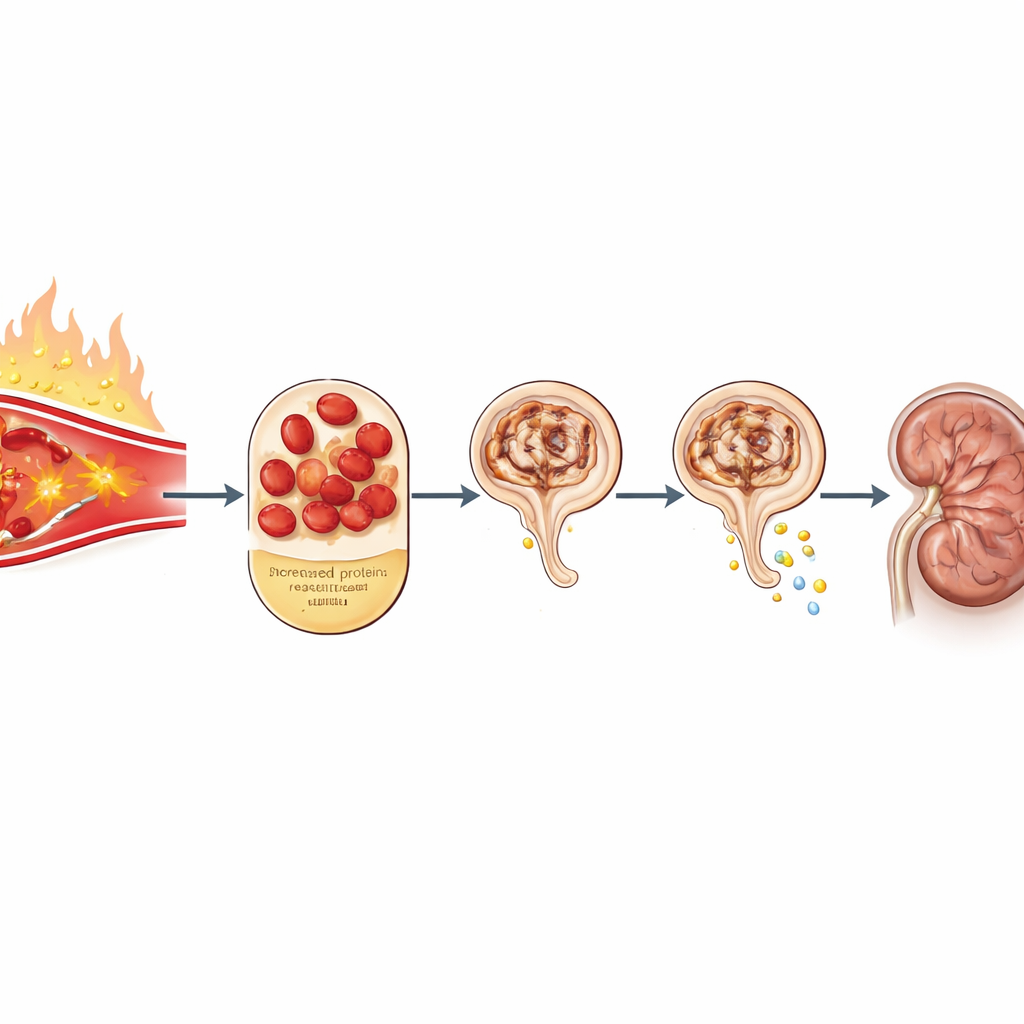
A cutoff that signals higher danger
The study went a step further by asking whether RA also predicts survival among patients who already have diabetic kidney disease. Using follow-up data from the U.S. survey, the authors examined deaths from any cause. They found a non-linear pattern: risk rose sharply once RA crossed about 3.33 dL/g. Patients with RA at or above this threshold survived for shorter periods than those below it. Even when the researchers used different statistical approaches, matched people with similar backgrounds, and tested alternative models, the signal from RA remained remarkably stable.
What this could mean for everyday care
For people living with diabetes, the study’s message is that an often-overlooked detail in routine blood work may carry important information about kidney health and future outcomes. A high RA value, especially above about 3.33 dL/g, appears to flag both a greater chance of having diabetic kidney disease and a worse outlook once that disease is present. While the research does not prove that RA itself causes damage, and more studies are needed before changing treatment guidelines, it points to a low-cost tool that could help doctors identify high‑risk patients earlier, monitor them more closely, and consider timely preventive steps to protect kidney function.
Citation: Cheng, Y., Yan, P., Yue, H. et al. Non-linear associations between red blood cell distribution width/serum albumin ratio with diabetic kidney disease: results from two nationwide studies in the United States and China. Sci Rep 16, 10639 (2026). https://doi.org/10.1038/s41598-026-45999-9
Keywords: diabetic kidney disease, inflammation marker, red blood cell distribution width, serum albumin, diabetes complications