Clear Sky Science · en
Functional gut microbiome signatures underlying interindividual variability in metabolic responses to red raspberry consumption
Why Your Morning Berries Don’t Help Everyone the Same Way
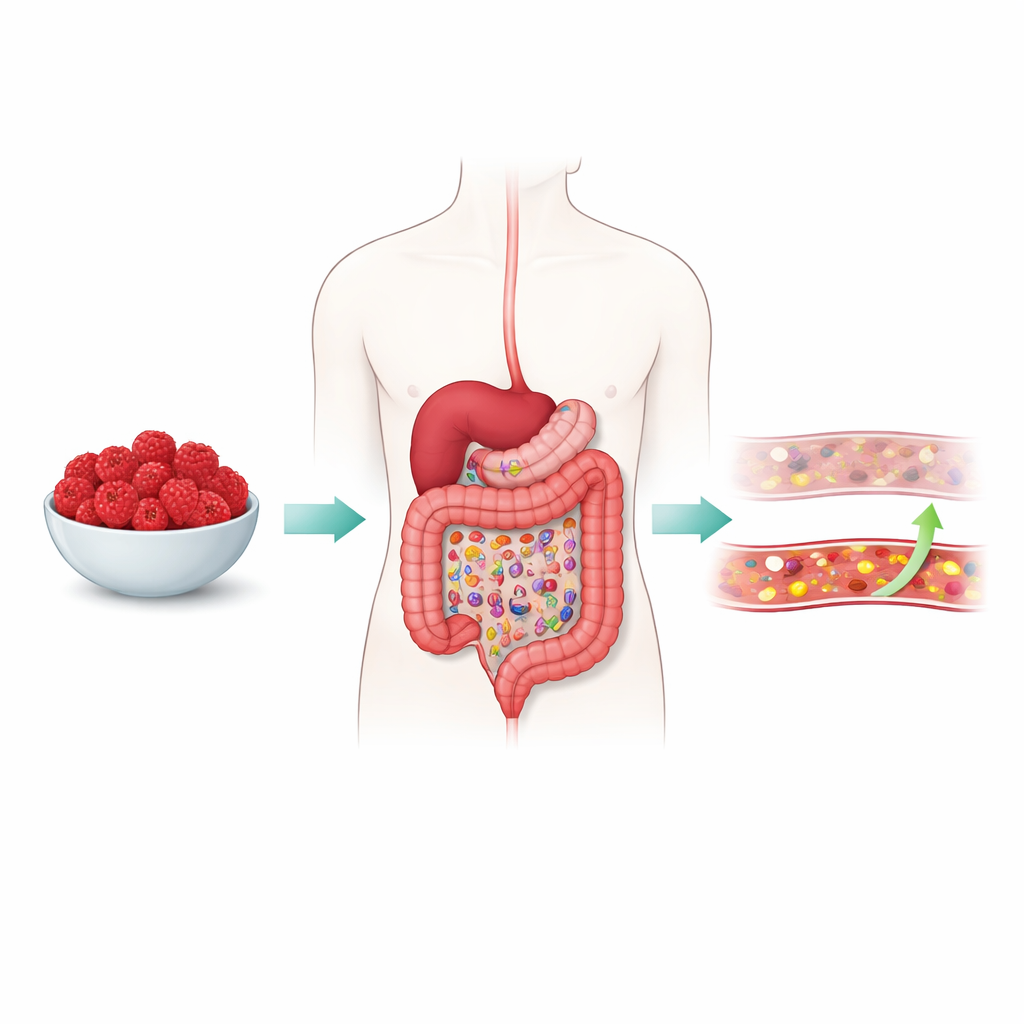
Many people reach for berries in the hope of boosting heart and immune health. Yet even when people eat the same amount of red raspberries every day, some see clear improvements in blood fats and inflammation, while others see little change. This study asks a simple question with a complex answer: could the tiny microbes living in our gut, and the enzymes they make, help explain why raspberries “work” better for some people than for others?
A Berry Test in People at Risk for Metabolic Trouble
The researchers revisited a previous clinical trial in which adults with excess weight and early signs of metabolic problems ate about two cups of red raspberries every day for eight weeks. Earlier work had already split these participants into two groups based on changes in their blood gene activity: “responders,” whose blood tests showed drops in triglycerides, total cholesterol, and the inflammation marker C‑reactive protein (CRP), and “non‑responders,” who did not experience such benefits. In this new analysis, the team focused only on the raspberry group and asked whether the starting make‑up of each person’s gut microbiome could be linked to these differing health outcomes.
The Gut’s Fiber‑Eating Toolkit
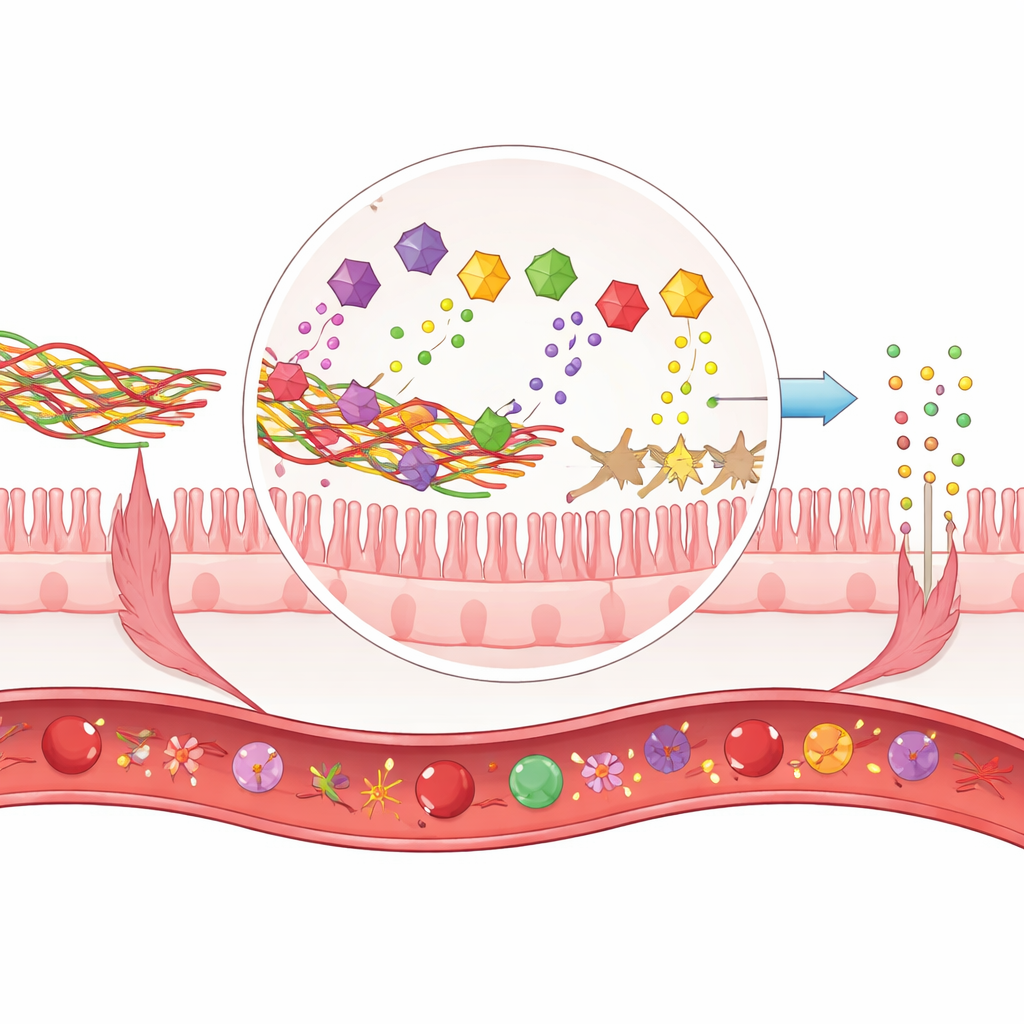
Instead of just counting which bacterial species were present, the scientists looked at what these microbes were capable of doing. They zeroed in on carbohydrate‑active enzymes, or CAZymes—proteins made by gut bacteria that break down complex carbohydrates such as dietary fiber and certain plant compounds found in raspberries. Using DNA sequencing on stool samples taken before and after the eight‑week raspberry period, they cataloged hundreds of different CAZymes. Overall, the basic mix of enzyme families looked similar in responders and non‑responders, and both groups carried a rich “toolkit” for handling plant fibers. But when the team dug into specific enzymes and how their levels related to changes in blood markers, important contrasts emerged.
Enzymes That Track with Inflammation Changes
The researchers found that a handful of CAZymes behaved differently between responders and non‑responders over time, and several were linked to shifts in CRP, a sign of low‑grade inflammation tied to heart and metabolic disease. For example, one enzyme‑related module called CBM49 was more abundant at the start in responders. Higher baseline levels of this and related enzymes were associated with a fall in CRP in responders, but with a rise in CRP in non‑responders. Another set of enzymes from the GH5 family, which can break down a range of plant fibers including beta‑glucans and other cell wall components, also showed suggestive links to changes in inflammation. These patterns hint that how efficiently a person’s microbes can strip down raspberry fibers into smaller, bioactive molecules may influence whether their body responds with calmer, less inflamed blood chemistry.
What Fiber, Microbes, and Time May Have in Common
Although the study uncovered specific enzyme patterns, it did not find large, clear‑cut differences in enzyme levels between the two groups before raspberries were introduced. Instead, many enzymes showed modest tendencies to be higher in responders at baseline and to shift differently over the course of the trial. The authors stress that they measured genetic potential rather than actual enzyme activity or the short‑chain fatty acids and other compounds produced downstream. They also note that the small number of participants, and the fact that some statistical corrections were not applied to exploratory analyses, means the results should be viewed as early clues rather than firm proof. Still, the work fits with a broader picture from nutrition research: the gut microbiome, shaped in part by long‑term fiber intake, can rapidly shift and may be a key reason why dietary advice cannot be truly one‑size‑fits‑all.
What This Means for Personalized Nutrition
For everyday berry lovers, the takeaway is not that raspberries are ineffective, but that their benefits may depend on the gut “machinery” you bring to the table. The study suggests that certain fiber‑degrading enzymes in gut bacteria could help predict who will see improvements in blood fats and low‑grade inflammation after eating raspberries regularly. In the long run, combining this kind of microbiome‑based information with other biological data could guide more tailored nutrition plans—helping match the right foods to the right people to support heart and immune health more reliably.
Citation: Barbe, V., de Toro-Martín, J., Garneau, V. et al. Functional gut microbiome signatures underlying interindividual variability in metabolic responses to red raspberry consumption. Sci Rep 16, 10685 (2026). https://doi.org/10.1038/s41598-026-45955-7
Keywords: raspberries, gut microbiome, dietary fiber, inflammation, precision nutrition