Clear Sky Science · en
Development and validation of the mental health literacy among Malaysian population (MyMHL) cross-culturally adapted Malay version of MHLq-SVa and MHLS
Why this matters for everyone
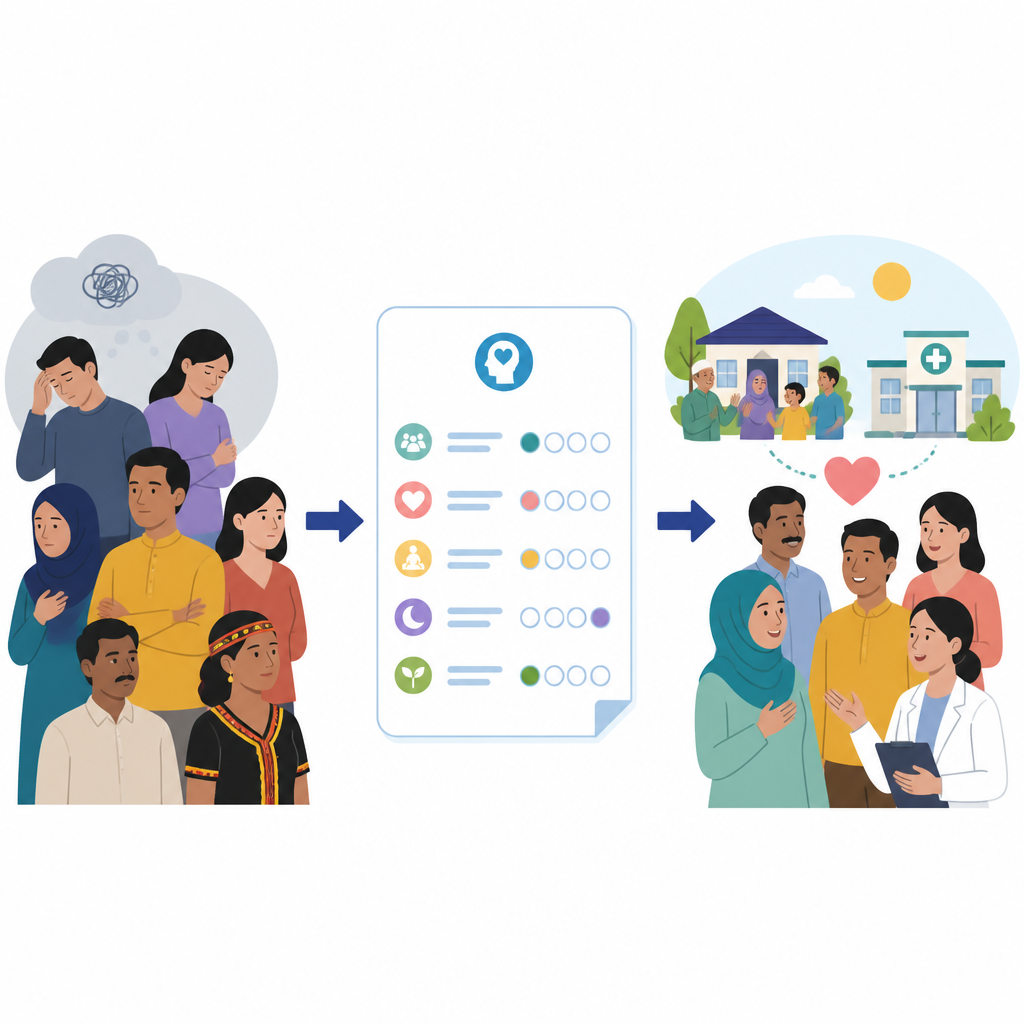
Mental health problems are on the rise in Malaysia, yet many people still struggle to recognize the signs or to ask for help. This study set out to create a simple, culturally tuned questionnaire that can show how well Malaysians understand mental health, so that support and education can be better targeted across different communities.
The growing weight on minds
Across Malaysia, depression, anxiety and other mental health problems have become a major cause of disability, affecting millions of adults. Many cases remain hidden because people do not know what the warning signs look like, are unsure where to turn, or fear being judged. The authors describe this mix of low awareness and strong stigma as a key barrier to early help. Measuring how much people know and believe about mental health is therefore a crucial first step toward changing attitudes, planning services and designing public campaigns that truly match local realities.
Building a tool that fits local life
Instead of starting from scratch, the researchers adapted two well known questionnaires that were first created in Western countries. These earlier tools ask about how well someone can recognize mental health problems, what they know about causes and treatments, and how they feel about seeking help. To make them suitable for Malaysia, the team carefully translated the questions into Malay, compared them with existing Malay and Indonesian versions, and asked clinical psychologists to judge whether each item was clear, relevant and culturally appropriate. They also checked with ordinary Malaysians from different ages, ethnicities and education levels to see whether the wording made sense in everyday language.
Testing the questions with real people
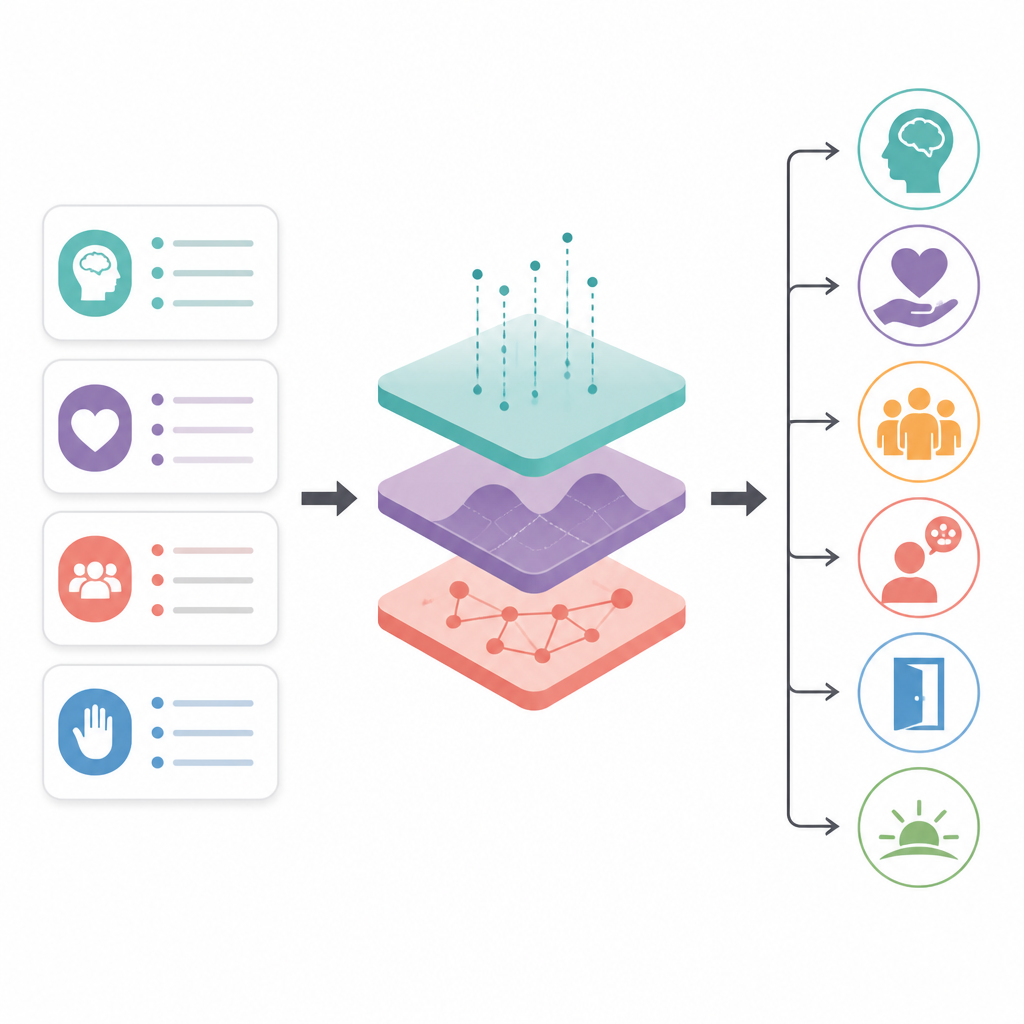
The adapted questionnaire was then tried out with 500 adults from across Malaysia, chosen to reflect the country’s mix of urban and rural areas, ethnic groups and income levels. Participants completed the survey online several times over a few months. Using statistical techniques, the team trimmed away questions that did not work well and checked how the remaining ones grouped together. They found that 26 items naturally formed six areas: looking for mental health information, knowledge of mental health problems, attitudes that support help seeking, mistaken beliefs and stereotypes, help seeking and basic “first aid” skills, and self help strategies that people might use on their own.
Checking if the tool is stable and trustworthy
The researchers then examined whether these six areas hung together in a logical way and whether people answered consistently over time. Their analyses showed that the six part structure fit the data well and matched modern ideas of what mental health literacy should cover. Measures of reliability were high, meaning that the questionnaire gave steady results rather than random noise. Most participants scored above the middle of the scale, suggesting a fair level of awareness, but scores were lower where stigma and reluctance to seek help were involved, echoing national surveys that highlight these as ongoing problems.
What this means for everyday life
In simple terms, the study delivered a solid, locally grounded checklist of what Malaysians know and believe about mental health. Because the tool has been shown to be both accurate and consistent, it can now be used by health workers, schools and policymakers to spot gaps in understanding and to track whether education efforts are making a difference. Over time, this kind of careful measurement can help reduce harmful myths, encourage people to reach out sooner, and support a more open and informed conversation about mental well being across Malaysia.
Citation: Yong, T.S.M., Azamuddin, A.A., Sazali, S.S. et al. Development and validation of the mental health literacy among Malaysian population (MyMHL) cross-culturally adapted Malay version of MHLq-SVa and MHLS. Sci Rep 16, 15246 (2026). https://doi.org/10.1038/s41598-026-45787-5
Keywords: mental health literacy, Malaysia, stigma, help seeking, questionnaire validation