Clear Sky Science · en
Astaxanthin suppresses hepatocellular carcinoma via targeting Wnt/Β-catenin pathway: Experimental study on chemically induced HCC in rats
Why A Red Pigment From Seafood Matters
Primary liver cancer is one of the deadliest cancers worldwide, and current drugs can be harsh on the body and lose their punch as tumors become resistant. This study explores whether astaxanthin—the red pigment that gives salmon and shrimp their color—can help standard chemotherapy work better and protect the liver at the same time. Using a rat model of liver cancer, the researchers show how this natural compound teams up with a common anticancer drug to shrink tumors, ease liver damage, and disarm key cancer-driving signals inside cells.
Testing A Natural Helper For Chemotherapy
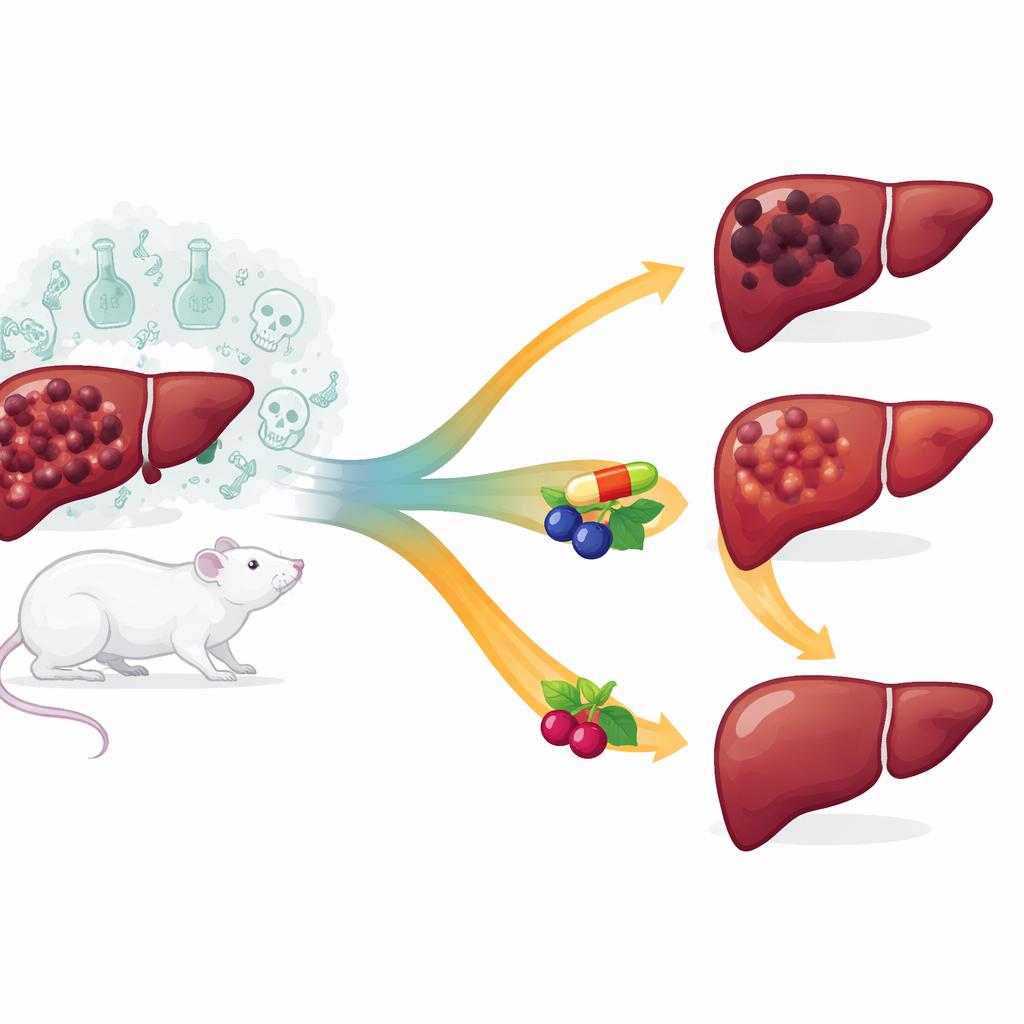
To mimic human liver cancer, the team first exposed rats to two chemicals that damage the liver and trigger tumor formation. They then split the animals into groups: healthy controls, cancer with no treatment, cancer treated with astaxanthin alone, cancer treated with the chemotherapy drug doxorubicin alone, and cancer treated with both together. Over four weeks, they measured blood markers of liver injury and tumor burden, examined liver tissue under the microscope, and analyzed molecules that control cell growth, drug resistance, and the cell’s internal balance between damage and repair.
Cleaning Up A Stressed And Damaged Liver
In untreated cancerous rats, the liver showed severe injury: enzymes released into the blood—AST and ALT—rose severalfold, and alpha-fetoprotein, a protein often elevated in liver cancer, doubled. The liver tissue was packed with cancerous nodules and distorted architecture. Astaxanthin alone improved these measures, but the strongest effect came from the combination with doxorubicin. In the combined group, liver enzymes and alpha-fetoprotein dropped sharply compared with untreated animals, and the cancerous nodules disappeared, replaced by liver tissue that looked far closer to normal with only mild congestion of blood vessels.
Quieting A Key Growth Switch Inside Cells
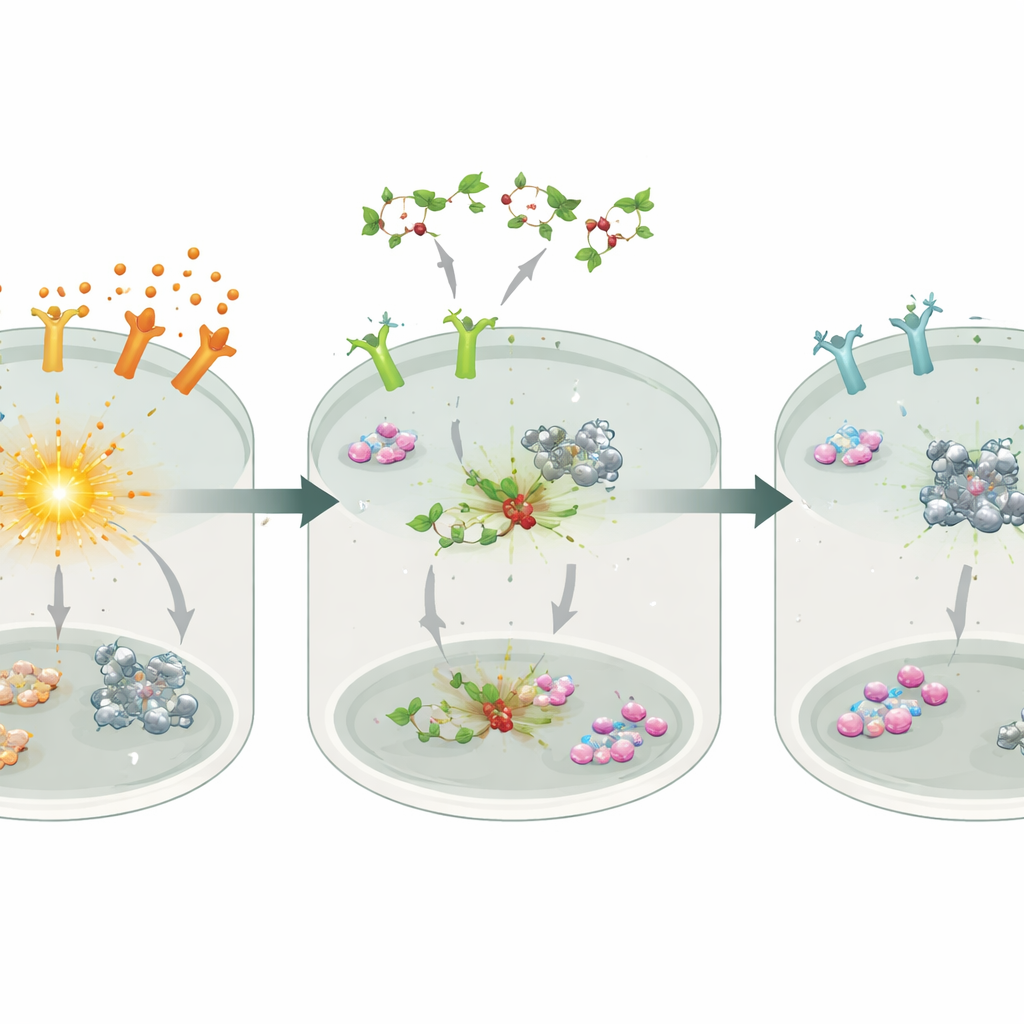
Cancer cells often hijack an internal communication route known as the Wnt/β-catenin pathway, which acts like a growth switch. When switched on, it stabilizes a protein called β-catenin that moves into the cell nucleus and turns on genes that drive cell division, survival, and multi-drug resistance. In the rats with liver cancer, this switch was clearly stuck in the “on” position: receptors on the cell surface that receive Wnt signals were greatly increased, β-catenin levels rose, and the protective enzyme GSK3β—which normally helps dismantle β-catenin—was suppressed. As a result, genes linked to rapid growth (cyclin D1, c-Myc) and drug resistance (MDR1) were strongly activated.
Astaxanthin Tips The Balance Back
Astaxanthin treatment, especially when combined with doxorubicin, reversed this pattern at several critical points. The levels of the Wnt receptors dropped, β-catenin decreased markedly, and GSK3β rebounded toward normal, suggesting the growth signal was being shut down both at the cell surface and inside the cell. Downstream, the expression of cyclin D1 and c-Myc fell, curbing the drive for uncontrolled division. Notably, while doxorubicin alone pushed the MDR1 gene higher—one way cancer cells pump drugs back out and become resistant—adding astaxanthin blunted this response and brought MDR1 closer to normal. In essence, astaxanthin appeared to keep more chemotherapy inside the cancer cells while dialing down their survival circuits.
Restoring The Liver’s Defense System
The study also shows that the cancerous livers were under heavy oxidative stress: protective glutathione stores were depleted, their oxidized form increased, and damaging by-products of fat breakdown, such as malondialdehyde, accumulated. Astaxanthin alone restored glutathione levels, improved the ratio of reduced to oxidized glutathione, and brought malondialdehyde back to normal. When paired with doxorubicin, these benefits were even more pronounced, suggesting that astaxanthin not only shields liver cells from chemical injury but also indirectly calms growth signals that depend on reactive oxygen molecules to stay active.
What This Could Mean For Future Treatments
For a lay reader, the takeaway is that a naturally occurring red pigment can do more than act as an antioxidant: in this rat model, it helped a standard chemotherapy drug work better against liver cancer while reducing damage to the liver itself. By cutting off a central growth pathway and blocking the cancer’s ability to spit the drug back out, astaxanthin acted as a chemosensitizer, making tumor cells more vulnerable. While these findings still need to be confirmed in human studies, they point toward a future in which carefully chosen natural compounds are combined with existing drugs to make cancer treatments both more effective and gentler on healthy organs.
Citation: Kortam, M.A., Ismail, M.S., Kamel, M.A. et al. Astaxanthin suppresses hepatocellular carcinoma via targeting Wnt/Β-catenin pathway: Experimental study on chemically induced HCC in rats. Sci Rep 16, 12928 (2026). https://doi.org/10.1038/s41598-026-45680-1
Keywords: liver cancer, astaxanthin, chemotherapy resistance, oxidative stress, Wnt beta-catenin