Clear Sky Science · en
Sociodemographic and clinical determinants of the dementia treatment gap in Singapore and their evolution over a decade
Why this matters for families
Dementia is often portrayed as an inevitable part of getting old, but whether a person receives a clear diagnosis can make a huge difference to the help they receive. This study from Singapore looks at who gets diagnosed, who is missed, and how that picture has changed over ten years, offering lessons for aging societies everywhere.
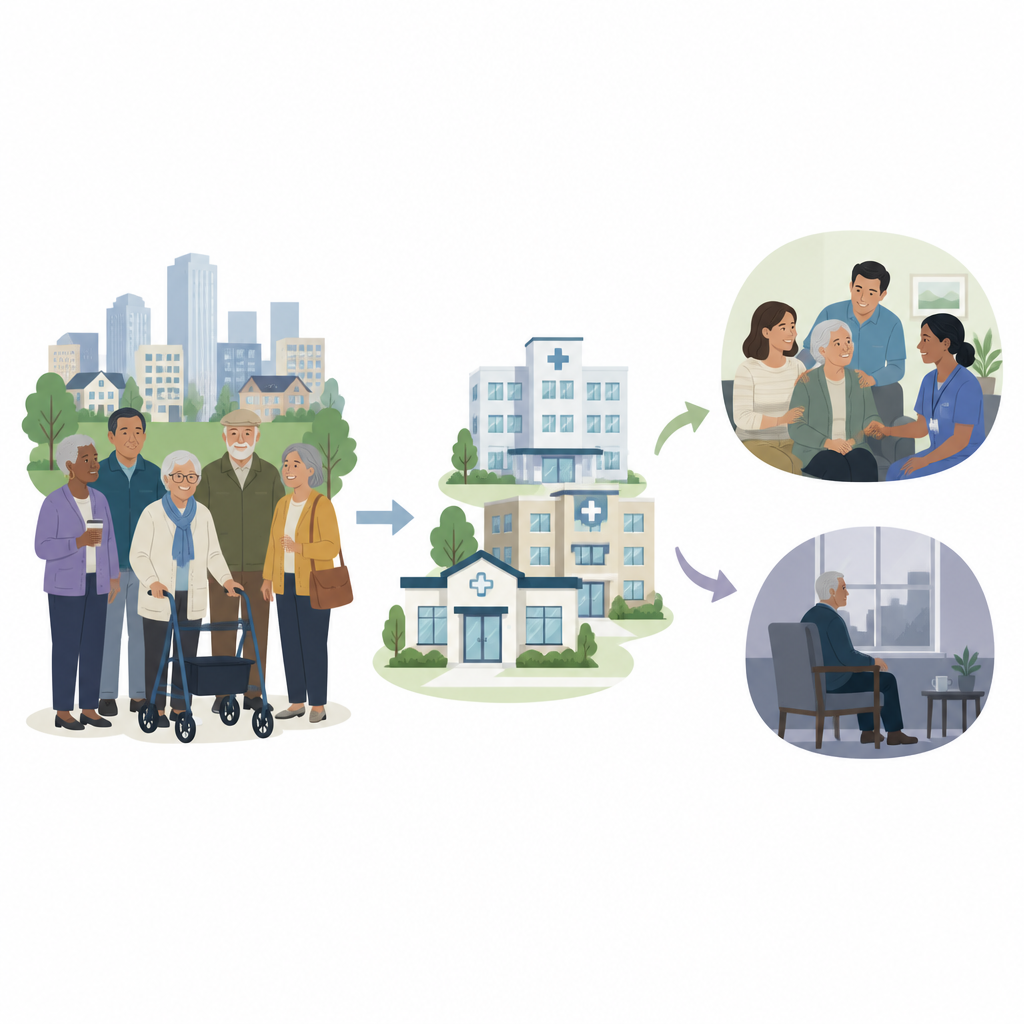
A decade of change in an aging city
The researchers drew on two large national surveys of people aged 60 and above, conducted in 2013 and 2023. These surveys included older adults living at home as well as in care facilities, and used a standard set of questions and memory tests to identify who had dementia. The team then compared this research diagnosis with whether a doctor had ever told the person or their family that they had dementia or serious memory problems. Anyone who met the research criteria but lacked a clinical diagnosis was counted as part of the “treatment gap,” because they were unlikely to be getting tailored care, support, or planning for the future.
A shrinking gap but not for everyone
Over the decade, Singapore’s dementia treatment gap narrowed from about seven in ten people with dementia going undiagnosed to about one in two. This improvement took place while the older population became better educated, more likely to be employed, and generally had higher incomes. Detailed statistical analysis showed that roughly half of the progress was due to shifts in who makes up the older population, and half was due to changes in how strongly different factors influenced the chances of getting a diagnosis. In particular, having no income became less closely tied to being missed, suggesting that financial barriers to diagnosis have eased.
Money barriers ease while education divides grow
The study found that earlier in the decade, people who had done mainly manual work and those with little money were more likely to have undiagnosed dementia. By 2023 this pattern had weakened, likely reflecting government moves to expand subsidies, bring memory services into public clinics, and strengthen community mental health programs. At the same time, education presented a new twist. Older adults with only primary schooling were nearly twice as likely to be undiagnosed as those with no formal education, a gap that had not been seen ten years earlier. The authors suggest this group may fall between the cracks: not targeted as the most vulnerable, yet lacking the health knowledge, language skills, or confidence to seek help as quickly as better educated peers.
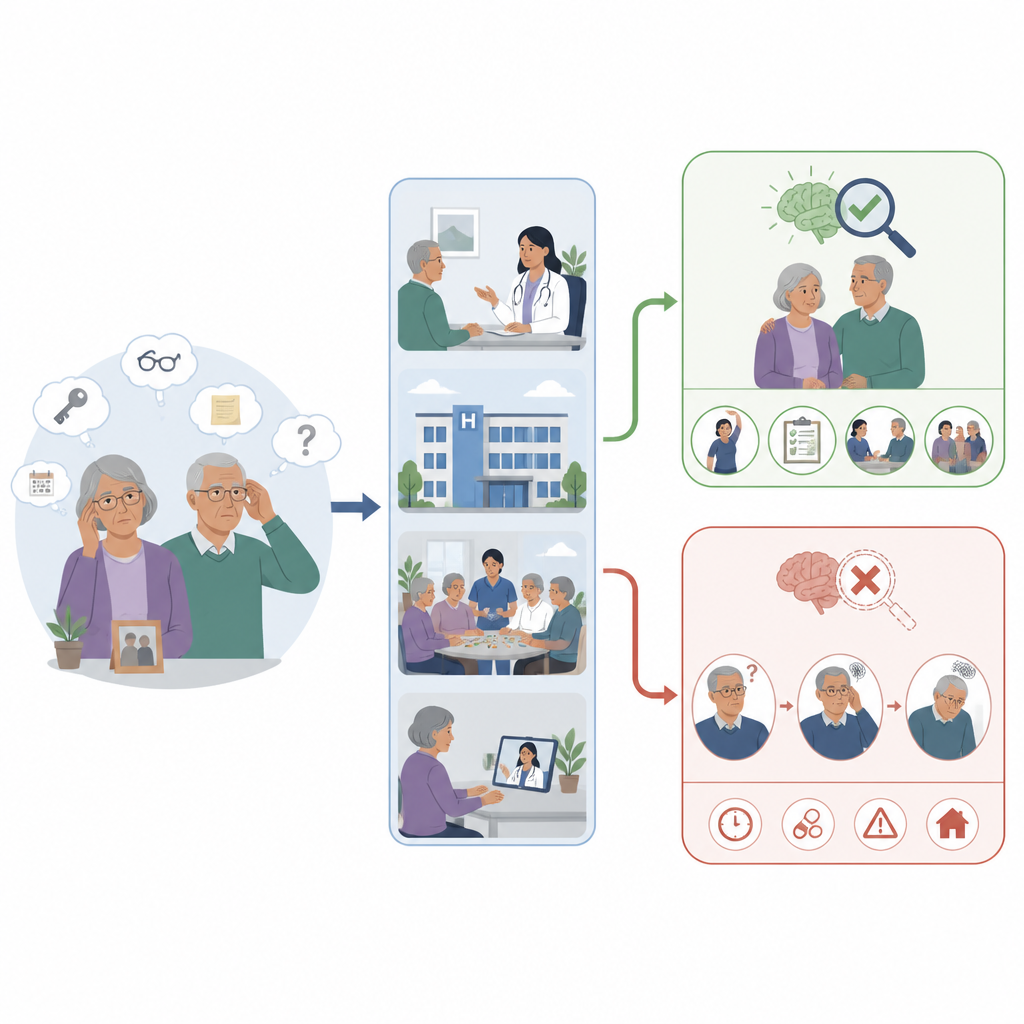
Missing the early signs
One of the clearest findings was the difference between early and later stages of dementia. People with moderate or severe dementia, who needed a lot of day to day help, were much more likely to have seen a doctor and received a diagnosis by 2023 than in 2013. In contrast, those with questionable or mild dementia were still often overlooked. The study also showed that seeing only one or two types of health provider, such as a family clinic, was linked with remaining undiagnosed, while contact with several kinds of services was associated with getting a diagnosis. This suggests routine visits are often missed chances to pick up on subtle memory changes before they become disabling.
What this means for everyday life
For families, the message is both hopeful and cautionary. Singapore has made real progress in catching more people with dementia and in softening the impact of income on who gets diagnosed. Yet many older adults in the earliest stages still slip through unnoticed, especially those with modest education levels who may not push for assessment. The authors argue that primary care staff, community centres, and voluntary groups need better tools and training to spot small but important changes in memory and daily functioning. If those early signs can be recognised and discussed sooner, more people will be able to plan, seek support, and live as well as possible with dementia.
Citation: Subramaniam, M., Ning, K., Asharani, P.V. et al. Sociodemographic and clinical determinants of the dementia treatment gap in Singapore and their evolution over a decade. Sci Rep 16, 15421 (2026). https://doi.org/10.1038/s41598-026-45491-4
Keywords: dementia diagnosis, treatment gap, Singapore ageing, early stage dementia, primary care