Clear Sky Science · en
Emergency response capacity among nurses in tertiary hospitals: a latent profile analysis
Why Nurses’ Rapid Reactions Matter to Everyone
When a loved one suddenly struggles to breathe, suffers a heart attack, or when a new infectious disease sweeps through a city, nurses are often the first professionals at the bedside. Their ability to spot trouble early, act quickly, and coordinate care can mean the difference between life and death. This study from large hospitals in southwest China asks a simple but crucial question: how ready are nurses to respond when emergencies strike, and which nurses are most in need of extra support?
Taking a Closer Look at Nurses in Big Hospitals
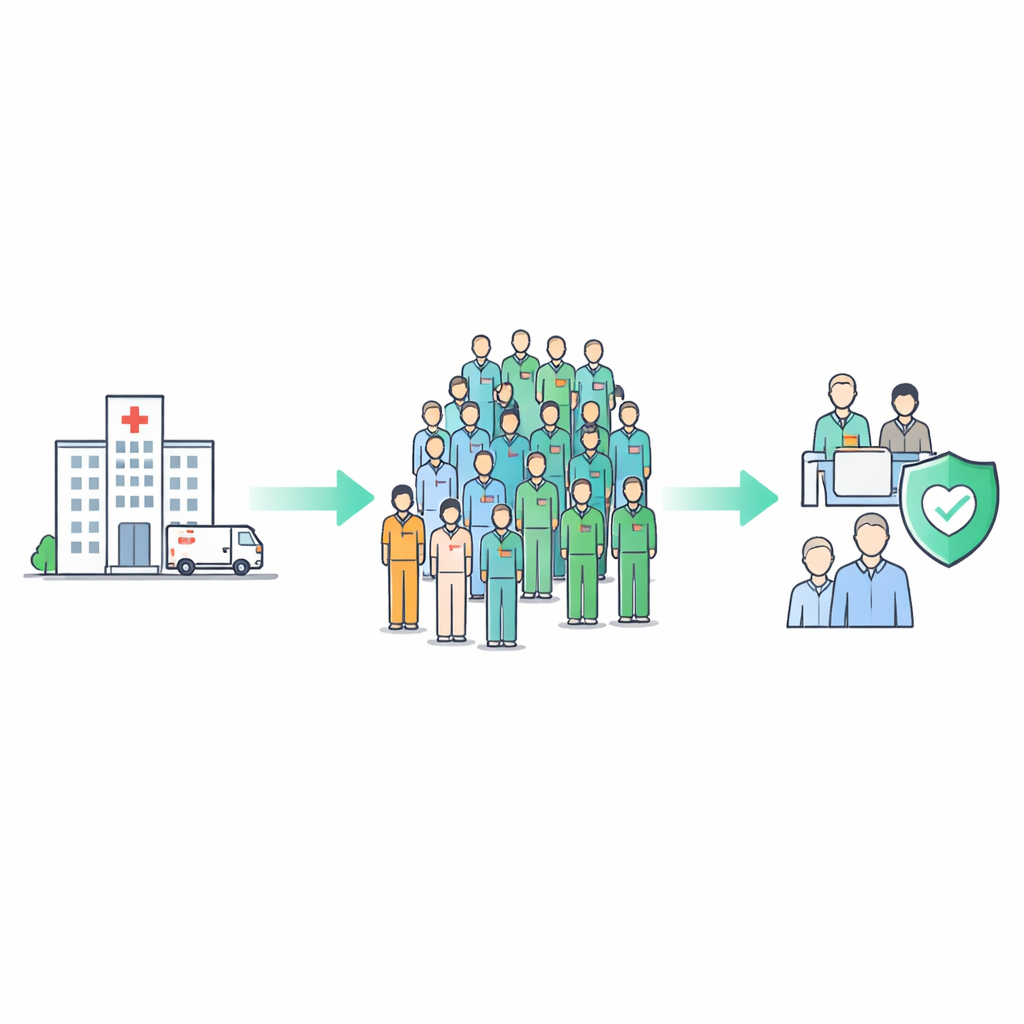
The researchers surveyed 788 nurses working in nine top-level (tertiary) hospitals in Chengdu. These hospitals handle many of the sickest and most complex patients, so their staff are regularly exposed to urgent situations. All participating nurses had at least six months of experience during the COVID-19 pandemic, a period that tested health systems worldwide. Using an online questionnaire, the team gathered basic background information such as age, marital status, department, income, and job title, and then measured each nurse’s emergency response capacity—covering knowledge of emergencies, first-aid skills, and broader abilities like communication and teamwork.
Three Groups Hidden in the Data
Instead of treating all nurses as a single, average group, the team used a technique called latent profile analysis. This approach looks for natural clusters of people who share similar patterns of strengths and weaknesses. The analysis revealed three clear profiles: a high-capacity group, a medium-capacity group, and a smaller low-capacity group. Nearly half of the nurses fell into the high-capacity profile, showing strong scores in emergency knowledge, hands-on first aid, and wider skills such as coordinating with other staff. Another large portion formed the medium group, with solid but less advanced abilities. Only about 6% of nurses were in the low-capacity profile, reporting limited confidence and skills across all areas.
Who Is More Ready—and Who Needs Help
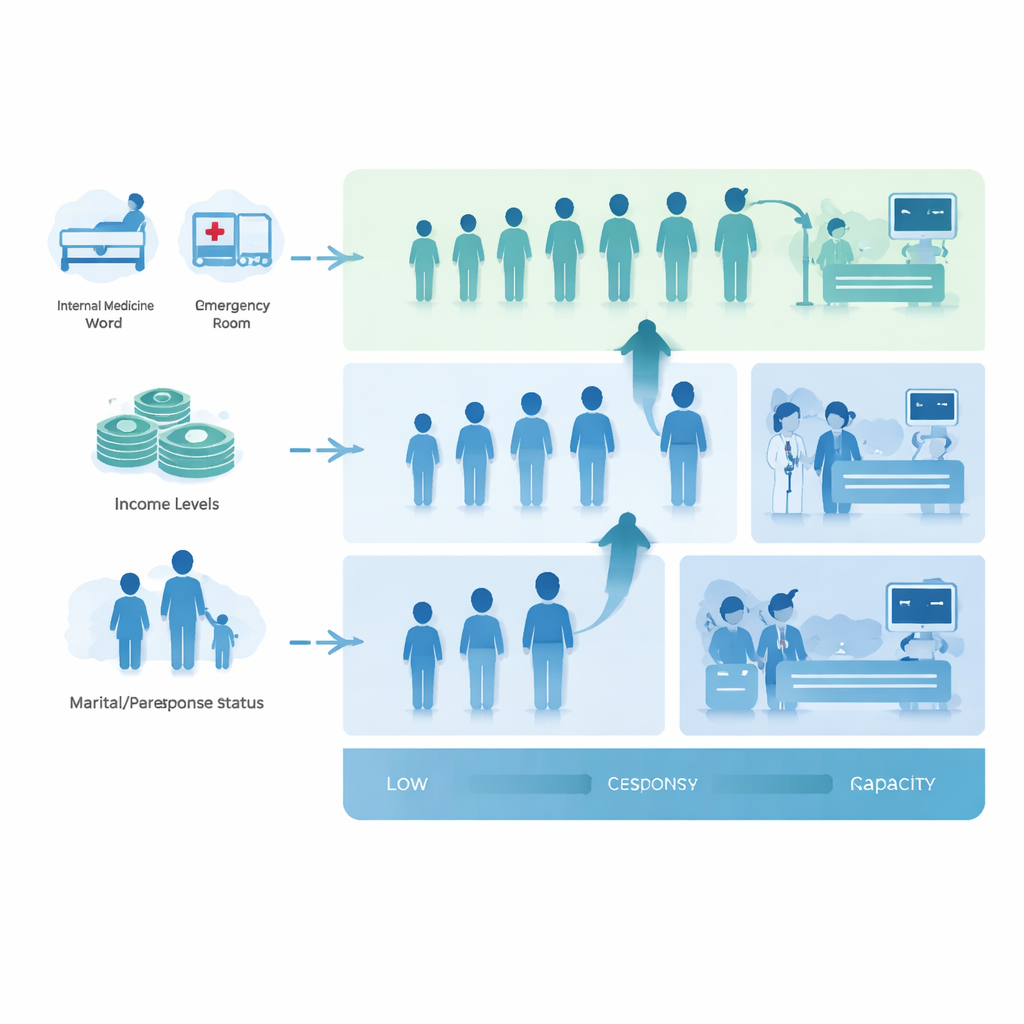
The study also explored which personal and job-related factors went along with these three profiles. Simple comparisons showed links between emergency capacity and marital status, education, having children, department, monthly income, and professional title. To dig deeper, the researchers used statistical models that compared profiles against each other. They found that nurses working in internal medicine and emergency departments were more likely to be in the medium-capacity group rather than the low group, suggesting that even routine exposure to acutely ill patients can raise baseline readiness. At the same time, some income brackets were unexpectedly less likely to include high-capacity nurses, hinting at complex ties between pay, roles, and training opportunities.
Turning Findings into Smarter Training and Staffing
These three profiles offer a practical way for hospital leaders to think about staffing and education during crises. Nurses with high emergency capacity could be prioritized for the most demanding roles—such as intensive care units, rapid-response teams, or triage areas—while also serving as mentors or leaders. The large medium-capacity group represents a crucial “reserve force” that can safely handle many clinical duties but would benefit from targeted simulations, drills, and hands-on practice to sharpen rapid decision-making. Nurses in the low-capacity profile may be better placed in lower-risk tasks at first, while receiving foundational training in recognizing emergencies and performing basic life-saving measures.
What This Means for Patients and Future Crises
For non-specialists, the main message is reassuring but also a call to action. Most nurses in these major hospitals had medium to high emergency response capacity, reflecting years of training and hard lessons from COVID-19. Yet the presence of a vulnerable low-capacity group—and the uneven distribution of skills across departments and income levels—shows that readiness is not guaranteed. By identifying distinct groups of nurses and the factors linked to each, this study gives hospitals a roadmap for building more tailored training programs and smarter staffing plans. In everyday care and in the next public health emergency, that kind of preparation could quietly save countless lives.
Citation: Yang, Y., Yuan, Z., Yang, F. et al. Emergency response capacity among nurses in tertiary hospitals: a latent profile analysis. Sci Rep 16, 14600 (2026). https://doi.org/10.1038/s41598-026-45355-x
Keywords: nursing emergency preparedness, hospital disaster readiness, nurse training, public health emergencies, clinical response capacity