Clear Sky Science · en
Pomiferin protects against sepsis-associated acute liver and kidney injury via inhibition of NF-κB activation, oxidative stress, and cytochrome-c
Why protecting vital organs in sepsis matters
Sepsis is a life-threatening condition in which the body’s response to infection spirals out of control, damaging its own organs. The liver and kidneys are especially vulnerable, and when they fail, the chances of survival drop sharply. This study explores whether pomiferin, a natural compound extracted from the fruit of the Osage orange tree, can shield these organs from sepsis-related damage—an idea that could eventually complement antibiotics and intensive care in treating very sick patients. 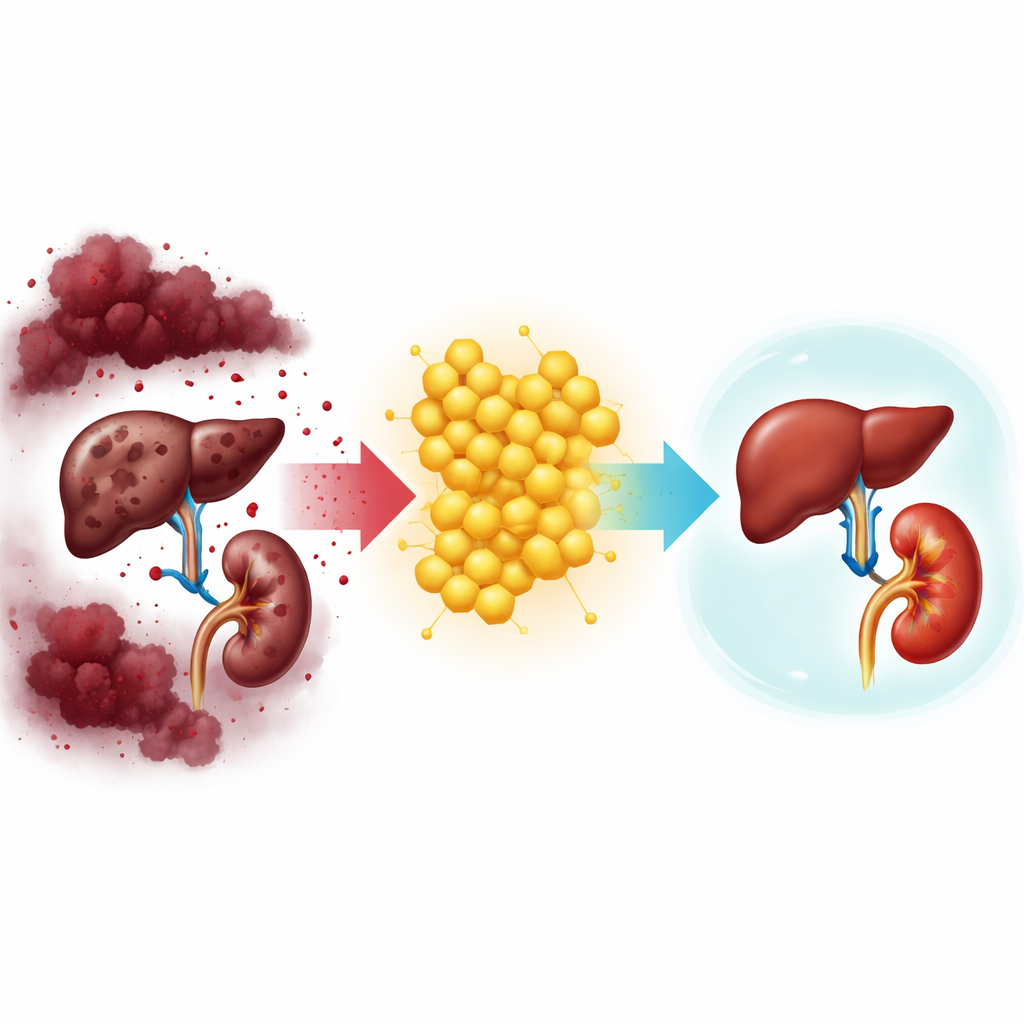
A plant compound under the microscope
Pomiferin belongs to a family of plant chemicals already known for calming inflammation and neutralizing harmful oxygen-based molecules. Researchers had hints that it might protect different tissues from injury, but no one had tested it in the specific context of sepsis-driven liver and kidney damage. To probe this, the team isolated pure pomiferin from Osage orange fruits and gave it to rats in which severe, whole-body infection had been triggered using a standard surgical procedure that allows gut bacteria to spill into the abdomen. They compared animals that received no treatment, pomiferin at two doses, or a widely used hospital antibiotic to see how well each approach preserved organ health.
Following the trail of chemical stress
Sepsis overwhelms cells with reactive oxygen species—chemically aggressive forms of oxygen that erode cell membranes, proteins, and DNA. In this experiment, rats with untreated sepsis showed strong signs of such oxidative stress in their liver and kidney tissue: higher levels of lipid peroxidation, which reflects membrane damage, and reduced levels of the body’s own protective enzymes and antioxidants. When pomiferin was given, especially at the higher dose, these patterns shifted. Harmful oxidation markers fell, and the natural antioxidant defenses rebounded, indicating that pomiferin was helping cells regain their chemical balance and resist further injury.
Turning down dangerous cell signals
Beyond raw chemical damage, sepsis is driven by runaway signaling pathways inside cells that amplify inflammation and push them toward self-destruction. The researchers focused on one central pathway built around a protein complex known as NF-κB, which is switched on when cell-surface sensors detect bacterial components. In the septic rats, proteins in this chain were strongly activated in liver and kidney cells, showing that inflammatory signaling was in high gear. Microscopy and staining techniques also revealed surges in cytochrome-c and caspase-3, molecules that mark the opening of damaged mitochondria and the launch of programmed cell death. With pomiferin treatment, the activation of these inflammatory and death pathways was markedly reduced, again most clearly at the higher dose, suggesting that the compound interferes with both the inflammatory and cell-suicide cascades.
Seeing protection in the tissue itself
These biochemical shifts were mirrored in the organs’ appearance under the microscope. Untreated septic rats had livers and kidneys riddled with dead and dying cells, swollen blood vessels, and inflammatory cell buildup—hallmarks of acute organ injury. Animals that received pomiferin showed far less degeneration and necrosis, with tissue structure that more closely resembled that of healthy controls. In parallel, markers of kidney function in the blood, such as urea and creatinine, rose sharply in septic rats but improved when pomiferin was administered, indicating that the compound’s protective effects translated into better organ performance, not just cleaner-looking slides. 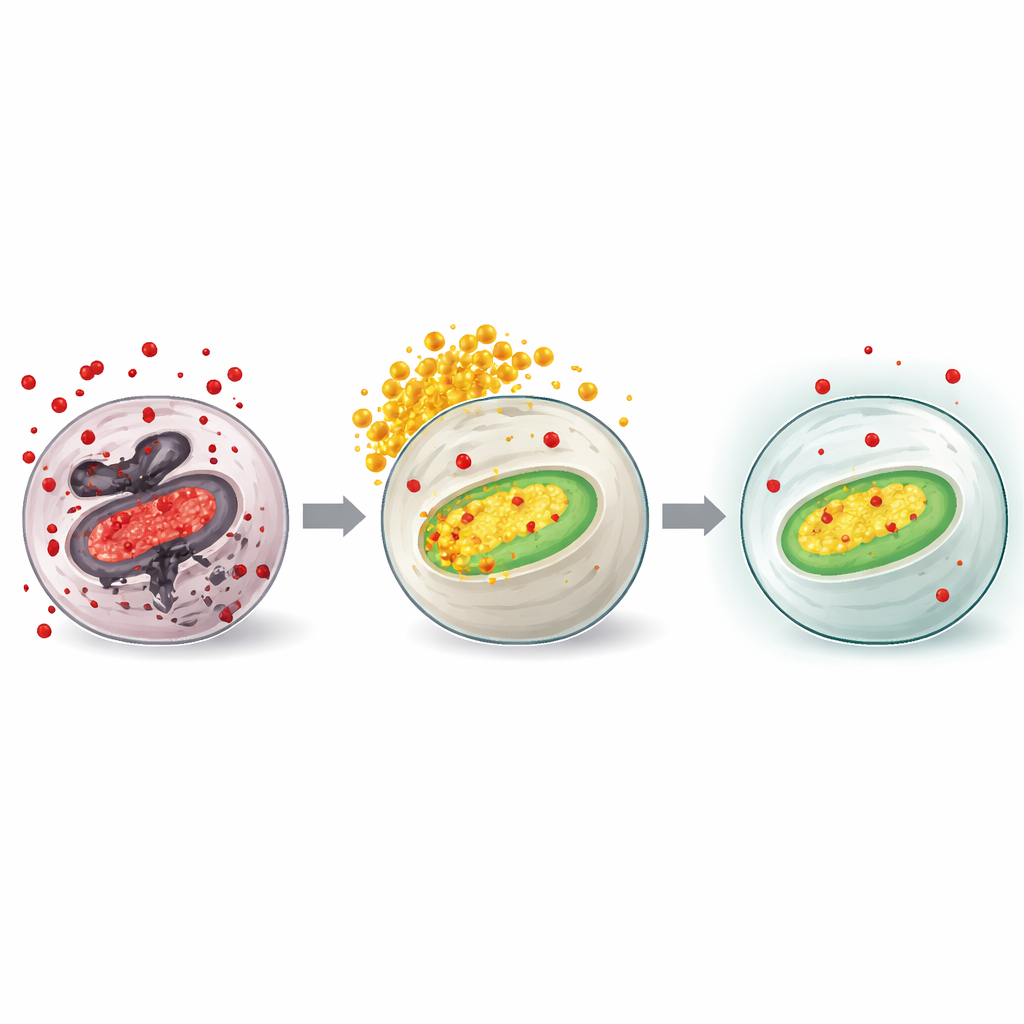
What this could mean for future sepsis care
Taken together, the findings suggest that pomiferin helps break the vicious cycle of sepsis in the liver and kidneys by quenching harmful oxidative molecules, dialing down a major inflammatory switch, and preventing the mitochondrial damage that triggers cell death. While these results come from rats and much more work is needed before use in people, they point to a plant-derived molecule that might one day support standard sepsis treatments, helping keep vital organs functioning while antibiotics and critical care address the underlying infection.
Citation: Alhilal, M., Erol, H.S., Yildirim, S. et al. Pomiferin protects against sepsis-associated acute liver and kidney injury via inhibition of NF-κB activation, oxidative stress, and cytochrome-c. Sci Rep 16, 9738 (2026). https://doi.org/10.1038/s41598-026-45186-w
Keywords: sepsis, pomiferin, liver injury, kidney injury, oxidative stress